
Best Bitter
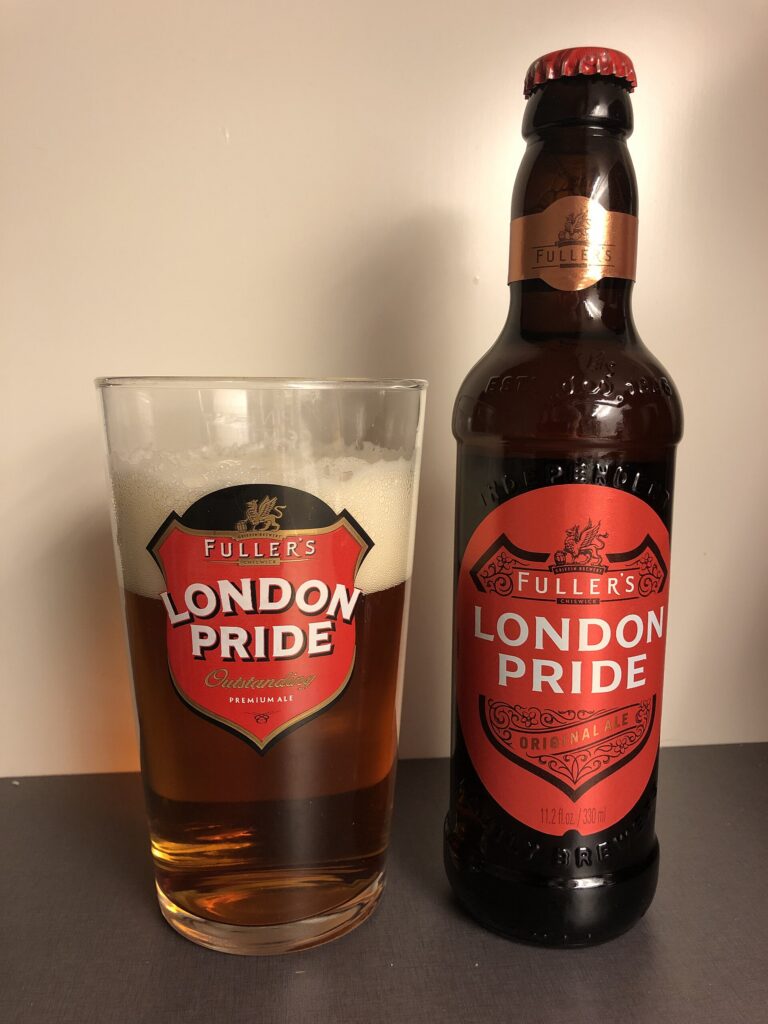

A flavorful, yet refreshing, session beer. Some examples can be more malt balanced, but this should not override the overall bitter impression. Drinkability is a critical component of the style.
Color
Bitterness
Alcohol
Sweetness
Balance
History
Historical Development
If you've read any of our posts on American styles, you already know that the craft beer revolution in this country began in earnest in the 1970s and 1980s, largely through the efforts of California-based breweries Anchor and Sierra Nevada. Fed up with the bland, vapid, and altogether lifeless macro lager of the day, these brewers inspired drinkers' passion for their beer by exploring new styles steeped in older traditions, then pushing the boundaries on those styles in exciting ways. During that nascent period for American Craft Beer, a movement took shape in the UK that had a similar aim, but a much different approach to achieve it.
The Campaign for Real Ale, or CAMRA, was founded in an Irish pub in March of 1971 by a group of four beer-lovers concerned with the stranglehold that macro beer had in the UK. The worst consequence of this, much like the American landscape, was a dangerous consolidation in the styles of beer offered to consumers. Instead of moving toward new styles and experimentation, however, the group–which was originally called the Campaign for the Revitalisation of Ale–looked to their storied history for inspiration toward better-tasting beer.
Among CAMRA's stated missions, the most beer-centric aim is "to promote and advocate the production, availability, and consumption of quality real ale, cider, and perry." According to CAMRA, "Real ale is a 'living' product, which is typically produced and stored in a cask container. In comparison to other types of beer that kill off the yeast and artificially inject the beer with CO2 prior to serving, real ale contains live yeast which continues to condition and ferment the beer until it is served." Originally those casks would have been the wooden barrels delivered to pubs by porters, but today a stainless steel cask has largely taken its place.
Their campaign has had a lot of success in reviving and promoting traditional English Ale styles, including Best Bitter. When you order one of these from a Real Ale pub–where they might also call it a Special Bitter or Amber Ale–you'll watch them pour it from a hand-pulled pump, which is necessary because the beer isn't pushed to the tap by carbon dioxide.
In looking to the past, the founders of CAMRA brought a bit of life back into the British beer scene. When you step into a London pub today, you'll find cask ale alongside the drafts we're accustomed to more often than not. Casks are making their way into American breweries as well, where they're often a one-off variation on one of the brewery's regular offerings (you might see these labeled as a "firkin" some places).
We've all had beers we remember drinking because they're unique or especially flavorful. Maybe it was the first time you had an IPA after drinking the cheap swill you had in college. Maybe, like me, it was the first time you tasted a massive stout aged in a bourbon barrel. The Best Bitter isn't a beer that you'll remember forever because of flavor. But if you have one poured for you from a hand pump in a dark British pub, it's an experience you'll never forget. It could just be the booze talking, but as you drink your way through that first, second, and likely third pint (it is a session beer after all), you begin to realize that there's history right there in your glass.
We geek out on this kind of experience here at Black Flannel, and we'll be offering some cask ales starting a few months after we open. If you're interested in trying a great version of this style, though, stop by our friends at Simple Roots in Burlington, where they brew a great Best Bitter called Leaf Peeper.
Modern Evolution
Classic characteristics
Appearance
Deep gold to amber
Aroma
Light biscuity, bready malt Floral, earthy, herbal, and woody English hops
Flavor
Bitter in balance Notes of biscuity sweetness on palate
Mouthfeel
Light body, with low carbonation leading to a creamy mouthfeel
Flavor Profile Deep Dive
Service notes
BJCP designation
Overall Impression: A flavorful, yet refreshing, session beer. Some examples can be more malt balanced, but this should not override the overall bitter impression. Drinkability is a critical component of the style.
Aroma: Low to moderate malt aroma, often (but not always) with a low to medium-low caramel quality. Bready, biscuit, or lightly toasty malt complexity is common. Mild to moderate fruitiness. Hop aroma can range from moderate to none, typically with a floral, earthy, resiny, and/or fruity character. Generally no diacetyl, although very low levels are allowed.
Appearance: Pale amber to medium copper color. Good to brilliant clarity. Low to moderate white to off-white head. May have very little head due to low carbonation.
Flavor: Medium to moderately high bitterness. Moderately low to moderately high fruity esters. Moderate to low hop flavor, typically with an earthy, resiny, fruity, and/or floral character. Low to medium maltiness with a dry finish. The malt profile is typically bready, biscuity, or lightly toasty. Low to moderate caramel or toffee flavors are optional. Balance is often decidedly bitter, although the bitterness should not completely overpower the malt flavor, esters and hop flavor. Generally no diacetyl, although very low levels are allowed.
Mouthfeel: Medium-light to medium body. Low carbonation, although bottled examples can have moderate carbonation.
Comments: More evident malt flavor than in an ordinary bitter, this is a stronger, session-strength ale.
Characteristic Ingredients: Pale ale, amber, and/or crystal malts. May use a touch of dark malt for color adjustment. May use sugar adjuncts, corn or wheat. English finishing hops are most traditional, but any hops are fair game; if American hops are used, a light touch is required. Characterful British yeast.
Style Comparison: More alcohol than an ordinary bitter, and often using higher-quality ingredients. Less alcohol than a strong bitter. More caramel or base malt character and color than a British Golden Ale. Emphasis is on the bittering hop addition as opposed to the aggressive middle and late hopping seen in American ales.
Vital Statistics: OG: 1.040 – 1.048 IBUs: 25 – 40 FG: 1.008 – 1.012 SRM: 8 – 16 ABV: 3.8 – 4.6%
Brewers Association designation
Special Bitter or Best Bitter Color: Deep gold to deep copper Clarity: Chill haze is acceptable at low temperatures Perceived Malt Aroma & Flavor: Medium residual malt sweetness should be present Perceived Hop Aroma & Flavor: Very low to medium at the brewer's discretion Perceived Bitterness: Medium and not harsh Fermentation Characteristics: Low carbonation traditionally characterizes draft-cask versions, but in bottled versions, a slight increase in carbon dioxide content is acceptable. Fruity esters are acceptable. Diacetyl is usually absent in these beers but may be present at low levels. Body: Medium Original Gravity: 1.038-1.045 (9.5-11.2 Plato) Final Gravity: 1.006-1.012 (1.5-3.1 Plato) Alcohol by Weight (Volume): 3.3%-3.8% (4.2%-4.8%) Bitterness (IBU): 28-40 Color SRM (EBC): 6-14 (12-28 EBC)
Style comparison
Parent Categories
More alcohol than an ordinary bitter, and often using higher-quality ingredients. Less alcohol than a strong bitter. More caramel or base malt character and color than a British Golden Ale. Emphasis is on the bittering hop addition as opposed to the aggressive middle and late hopping seen in American ales.
Similar Styles from Other Classifications
Ingredients
Grain Bill
Two-row brewers malt Light use of caramel malts English hops Expressive English ale yeast
Brewing process
Mash Profile
A single infusion mash is traditional, and hopping is traditionally only one addition for bitterness early in the boil, but variations certainly exist. Fermented with English yeast for a pomme fruit fermentation profile.
Food pairings
At the Pub: Smash burger and fries Takeout: Fish and chips Casual date: Swanky sandwiches
Desserts
Spirit pairings
Black Flannel Vermont Common
The soundtrack
New: Adele Old: Holst, "Mercury" from The Planets
Keep exploring
- BJCP Guidelines: 11C (Best Bitter)
- Beer Judge Certification Program: BJCP Official Guidelines