
Non-typical Whiskey
An ADI category emphasizing an unusual dominant grain or pseudocereal, with expected character ranging from toasted cereal and nuts to earthy, grassy, fruity or spicy impressions. New charred oak adds another strong influence. The intended raw material should remain intelligible without requiring a single shared flavour across unrelated crops.
Color
Maturation
Alcohol
Sweetness
Balance
History
Non-typical Whiskey groups experiments with grains outside the better-known whiskey categories. KOVAL, founded in Chicago in 2008, provides a documented example: contemporary reporting in 2012 described its whiskeys made from millet, oats and spelt. These products illustrate the craft-distilling exploration behind the category. The ADI heading is an organizing device, not a claim that unfamiliar grains were first fermented or distilled in twenty-first-century Chicago. KOVAL: company history; Wine Enthusiast: contemporary alternative-grain whiskey report, 2012.
Classic characteristics
Appearance
Gold to amber or copper from new charred oak; intensity varies with actual maturation.
Aroma
Medium to pronounced unusual cereal, nut, grass, earth or fruit character with vanilla and toast.
Flavor
Declared substrate and oak in balance; expected descriptors must be tailored to the actual crop.
Sweetness
Usually dry to sweet-seeming; roasted grain and vanilla associations do not quantify sugar.
Mouthfeel
Light to full, sometimes creamy or oily, with variable wood grip and alcohol warmth.
Finish
Short to long; distinctive grain character should not require harshness or raw bitterness.
Flavor Profile Deep Dive
Require the grain/pseudocereal and process declaration; evaluate the actual material rather than apply rye or bourbon stereotypes. Investigate persistent solvent-like pungency, unpleasant stale character or wood astringency that overwhelms the intended expression. A descriptor alone cannot prove a distillation-cut error, additive use or chemical safety.
Service notes
Use a verified mash bill and identify the exact grain before comparing examples. For sensory training, contrast the unusual-grain whiskey with a similarly matured conventional grain whiskey, recognizing that fermentation and casks remain confounding variables. Obtain the producer's approved designation for any pseudocereal product before using “whiskey” in sales copy. Judge balance and identifiable character rather than rewarding unfamiliarity alone.
Style parameters
| Parameter | Boundary or expectation |
|---|---|
| Base material | Fermented grain mash; identify grain and component types |
| Bottled strength | ADI minimum 40% ABV, with its stated distillation and entry limits applying separately. |
| United States: bottled ABV | at least 40%; Whiskey identity; protected origin and named types have additional rules. |
| Color and clarity | Gold to amber or copper from new charred oak; intensity varies with actual maturation. |
| Maturation | New charred oak required by ADI; no common minimum duration is supplied. |
| Additions | Check the actual legal identity and formulation; competition terminology does not establish permissions. |
Legal limits apply only to the named jurisdiction and identity. ADI entry conditions and typical sensory expectations are separate; a product example is not a universal range.
Cocktail connections
Browse published cocktails. Documented recipes, conditional style choices and development substitutions are labeled separately.
No established classic or recognized modern cocktail match was found for this specific style in the sources reviewed. This records a research gap, not proof that no cocktail exists. No neighboring style has been substituted to fill the space.
Style comparison
A small amount of unusual grain in bourbon does not meet ADI's majority requirement here. Conversely, an unfamiliar grain need not taste exotic or strongly earthy. The botanical distinction between a true cereal and a pseudocereal matters for classification even when both can be fermented. “Non-typical” describes the category's relationship to familiar whiskey grains, not a defect or novelty-based quality advantage.
Ingredients
Fermented grain mash; identify grain and component types
Production notes
ADI requires at least 51% of a non-typical grain or pseudocereal, distillation no higher than 80% ABV, entry into new charred oak no higher than 62.5%, and bottling at least 40%. Examples in the supplied definition include oats, millet, triticale, amaranth, buckwheat and quinoa. This is a competition umbrella, not a single federal whiskey type. Pseudocereal eligibility under U.S. grain-based whiskey rules requires specific confirmation; ADI inclusion is not label approval.
Commercial examples
No newly verified benchmark is designated in this revision. The original example discussion below remains a research lead, with its original qualifications.
Retained example and source context. KOVAL Millet producer sheet offers a millet teaching reference; complete ADI eligibility still requires all process limits. ADI supplied definition: S121; the U.S. whiskey standard for U.S. boundaries.
Photo credit
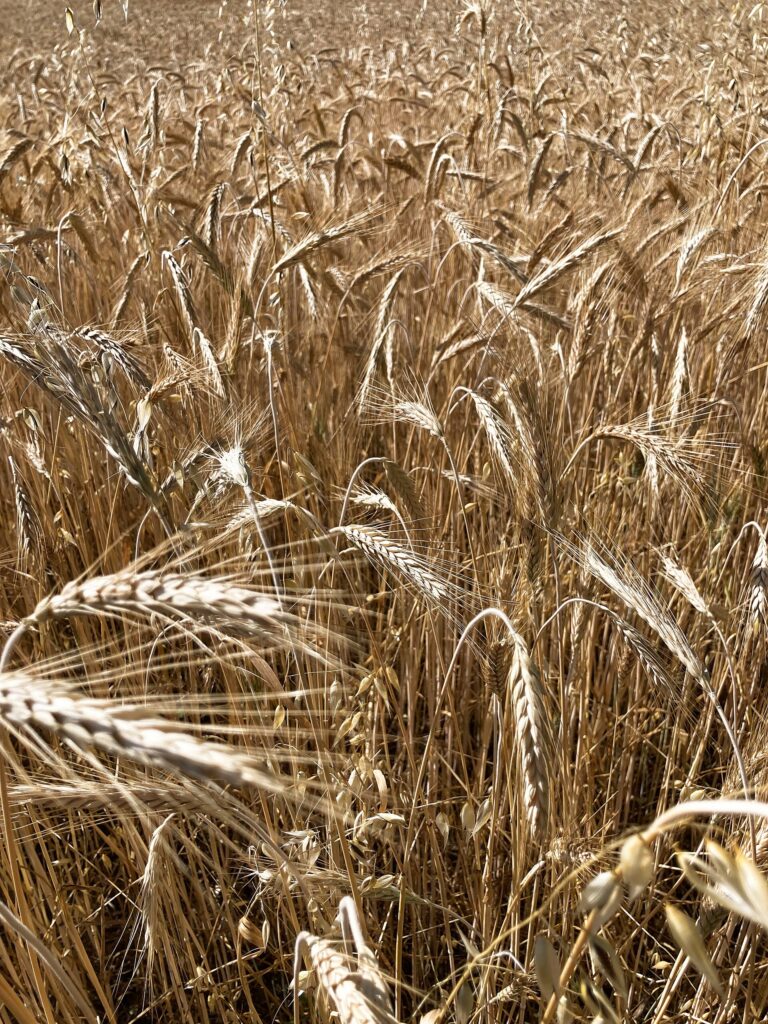
Ingredient or production reference: Wheat growing in a field, an illustrative grain-spirit raw material. This photograph illustrates the raw material or process, not a bottle of this specific style. Photo: Michele Castagnetti / Wikimedia Commons. CC BY-SA 4.0. Display resized; no other edits.

Keep exploring
- 27 CFR 5.143 — evidence reviewed 2026-09-18.