
Moonshine
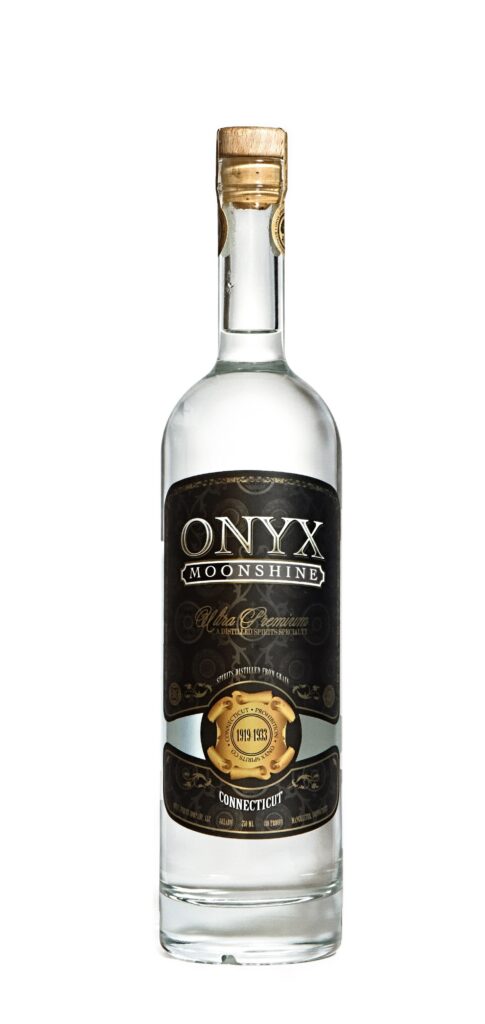
A broad commercial category whose name evokes traditional informal distilling but does not fix a modern flavour profile. An unaged grain expression may be cereal-led and warming; flavoured or aged versions can be sweet, fruit-led or oak-influenced. The declared product determines the useful sensory reference.
Color
Maturation
Alcohol
Sweetness
Balance
History
Moonshine’s history concerns the relationship between distilling and the law as much as a particular recipe. National Park Service historical material places American rural whiskey within farming economies, where distillation helped turn agricultural output into a marketable product. Production outside revenue controls became central to the term’s associations. Modern legally sold moonshine borrows that cultural identity; lack of color alone does not establish that a spirit was historically illicit. National Park Service: Thoughts on Whiskey.
Classic characteristics
Appearance
Colourless in many unaged examples; amber or ingredient-coloured when aged or flavoured.
Aroma
Neutral to pronounced grain, bread, fruit or added flavour; oak appears only where substantiated.
Flavor
Base-dependent; clean cereal or sugar-derived spirit may lead, or a declared flavour may dominate.
Sweetness
Dry to very sweet; fermentation substrate and post-distillation sweetening are separate matters.
Mouthfeel
Light to full or syrupy; assess alcohol integration in relation to the actual recipe.
Finish
Short to long; grain, flavouring or oak should persist without an unintended coarse aftertaste.
Flavor Profile Deep Dive
Require the real base and treatment before scoring; neither rustic packaging nor a moonshine name establishes strength or legality. Investigate persistent unpleasant solvent-like, stale or sulfurous character in context. Do not diagnose a specific production error from one aroma; appropriate fermentation character and proof-related warmth are not automatic faults.
Service notes
Group unflavoured, flavoured and aged products separately in training flights. Teach staff to replace vague claims such as “strong homemade-style liquor” with the actual base, flavour and strength. A smooth texture does not measure alcohol content, and roughness is not evidence of authenticity. For a cocktail, assess how the specific product contributes sweetness and grain character rather than treating every moonshine as interchangeable.
Style parameters
| Parameter | Boundary or expectation |
|---|---|
| Base material | Sugar, grain or both; formulation may include flavoring |
| Bottled strength | No ADI-wide numerical limit supplied; read actual ABV rather than infer strength from the name. |
| Color and clarity | Colourless in many unaged examples; amber or ingredient-coloured when aged or flavoured. |
| Maturation | Unaged and aged forms are both included by ADI; jar packaging proves neither. |
| Additions | Flavours and sweetening may occur; identify them and the legal product description. |
Legal limits apply only to the named jurisdiction and identity. ADI entry conditions and typical sensory expectations are separate; a product example is not a universal range.
Cocktail connections
Browse published cocktails. Documented recipes, conditional style choices and development substitutions are labeled separately.
No established classic or recognized modern cocktail match was found for this specific style in the sources reviewed. This records a research gap, not proof that no cocktail exists. No neighboring style has been substituted to fill the space.
Style comparison
White whiskey is grain-based, while ADI moonshine can include sugar-derived spirit. Corn whiskey has a specific U.S. identity that the word moonshine alone does not establish. Flavoured moonshine may function more like a liqueur than an unaged distillate. These overlaps explain why label reading is essential before selecting a tasting comparison.
Ingredients
Sugar, grain or both; formulation may include flavoring
Production notes
ADI includes spirit distilled from sugar, grain or both and marketed as moonshine, with ageing and flavouring allowed. Accordingly, “moonshine” is not synonymous with corn whiskey, unaged whiskey, very high proof or illegal production. A lawful commercial bottle requires an underlying legal designation appropriate to its composition. This category preserves ADI's marketing-based grouping without converting a historical association into a technical standard.
Commercial examples
| Expression | Stated ABV | Source/market review | Eligibility note |
|---|---|---|---|
| Ole Smoky Original | 50% | U.S. producer page; checked 2026-09-18 | Producer explicitly identifies unaged corn whiskey. This expression does not establish the identity of every product sold as moonshine. |
Retained example and source context. Ole Smoky Original, 50%, is described by its producer as unaged corn whiskey. It illustrates one branch only. ADI scope: S080.
Photo credit
Onyx Moonshine. Photo: Onyx Spirits Company / Wikimedia Commons. CC BY-SA 3.0. Display resized; no other edits.
