
Mahua
An Indian flower-derived spirit whose profile may combine earthy, dried-fruit, floral and spicy impressions. The word flower should not lead tasters to expect perfume alone. Fermentation, distillation and treatment can produce a broader and sometimes more savoury expression.
Color
Maturation
Alcohol
Sweetness
Balance
History
Mahua spirit is embedded in the social and ritual life of several Indigenous communities in India. Field accounts of Warli practice describe the collection and fermentation of mahua flowers alongside the drink’s place in community relationships. Colonial controls on production and forest access reshaped those practices. Its history is better understood through these communities and restrictions than through a recent branded product or an unsupported claim for a single ancient inventor. Sahapedia: Warli mahua and palm-spirit traditions.
Classic characteristics
Appearance
Often clear and colourless in untreated expressions; verify any wood treatment.
Aroma
Medium or pronounced; earthy, hay, dried-fruit and floral associations are possible.
Flavor
Fruit and plant-derived impressions, sometimes with peppery or herbal detail.
Sweetness
Dry to sweet-seeming for spirit; distinguish deliberately sweetened Mahua liqueur.
Mouthfeel
Rounded or firm with warming alcohol; producer treatment affects weight.
Finish
Variable; may retain fruit, earth or spice rather than overt blossom perfume.
Flavor Profile Deep Dive
Judge flower-derived fermentation expression rather than demand fresh floral perfume; earthy or dried-fruit notes can belong. Investigate persistent unpleasant solvent-like, stale or sulfurous character in context. Do not diagnose a specific production error from one aroma; appropriate fermentation character and proof-related warmth are not automatic faults.
Service notes
Compare the aroma with dried fruit, hay and fresh flowers as separate reference families. Record which are actually present instead of forcing a floral descriptor. For consumers, explain the unusual fermentable source and describe the individual bottling. A modest aromatic intensity is not evidence that the flowers were absent, and a rich texture does not prove added sugar. When discussing sourcing, identify documented relationships rather than relying on generic claims of tradition or sustainability.
Style parameters
| Parameter | Boundary or expectation |
|---|---|
| Base material | Mahua flowers |
| Bottled strength | Product and applicable Indian classification determine strength; do not infer it from the flower. |
| Color and clarity | Often clear and colourless in untreated expressions; verify any wood treatment. |
| Maturation | No universal wood-age requirement is asserted for this broad entry. |
| Additions | Verify fermentation inputs and post-distillation treatment separately. |
Legal limits apply only to the named jurisdiction and identity. ADI entry conditions and typical sensory expectations are separate; a product example is not a universal range.
Cocktail connections
Browse published cocktails. Documented recipes, conditional style choices and development substitutions are labeled separately.
No established classic or recognized modern cocktail match was found for this specific style in the sources reviewed. This records a research gap, not proof that no cocktail exists. No neighboring style has been substituted to fill the space.
Style comparison
Mahua supplies fermentable material, whereas most floral gins and liqueurs use botanicals primarily for flavour. That distinction helps explain why the result need not smell like a fresh bouquet. A spirit and a liqueur made from the same flower require different sweetness expectations. Cultural and sourcing claims should be attributed to the particular producer or community rather than generalized across India.
Related styles: Herbal / Botanical / Spiced Liqueur · Somel (Honey Spirit).
Ingredients
Mahua flowers
Production notes
The fermentable material comes from Mahua flowers, commonly dried before fermentation. This is fundamentally different from adding flowers to an already distilled spirit. India's amended food standard identifies Mahua among traditional Indian liquors. Individual producers and community traditions differ, so one modern brand should not be treated as a complete account of the category.
Commercial examples
No newly verified benchmark is designated in this revision. The original example discussion below remains a research lead, with its original qualifications.
Retained example and source context. MAH's flower-production account; Six Brothers' process and tasting notes; FSSAI 2025 amendment, effective 2026.
Photo credit
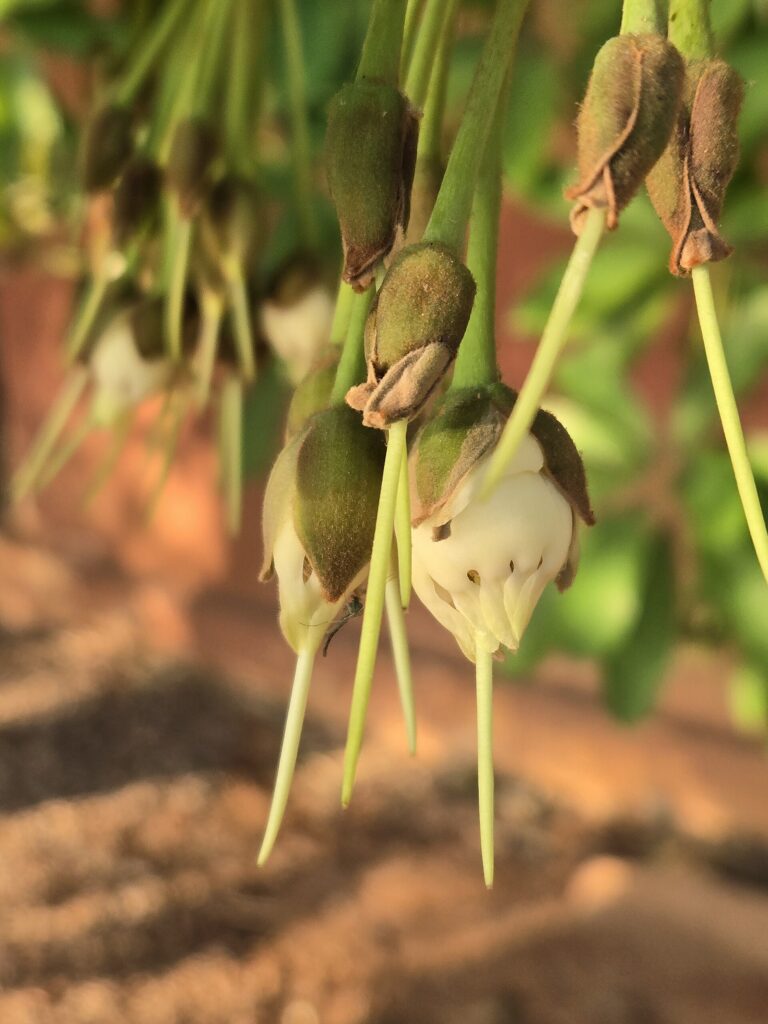
Ingredient or production reference: Mahua flowers, the raw material for mahua spirit. This photograph illustrates the raw material or process, not a bottle of this specific style. Photo: Shyamal / Wikimedia Commons. CC BY 3.0. Display resized; no other edits.
