
Lambanog
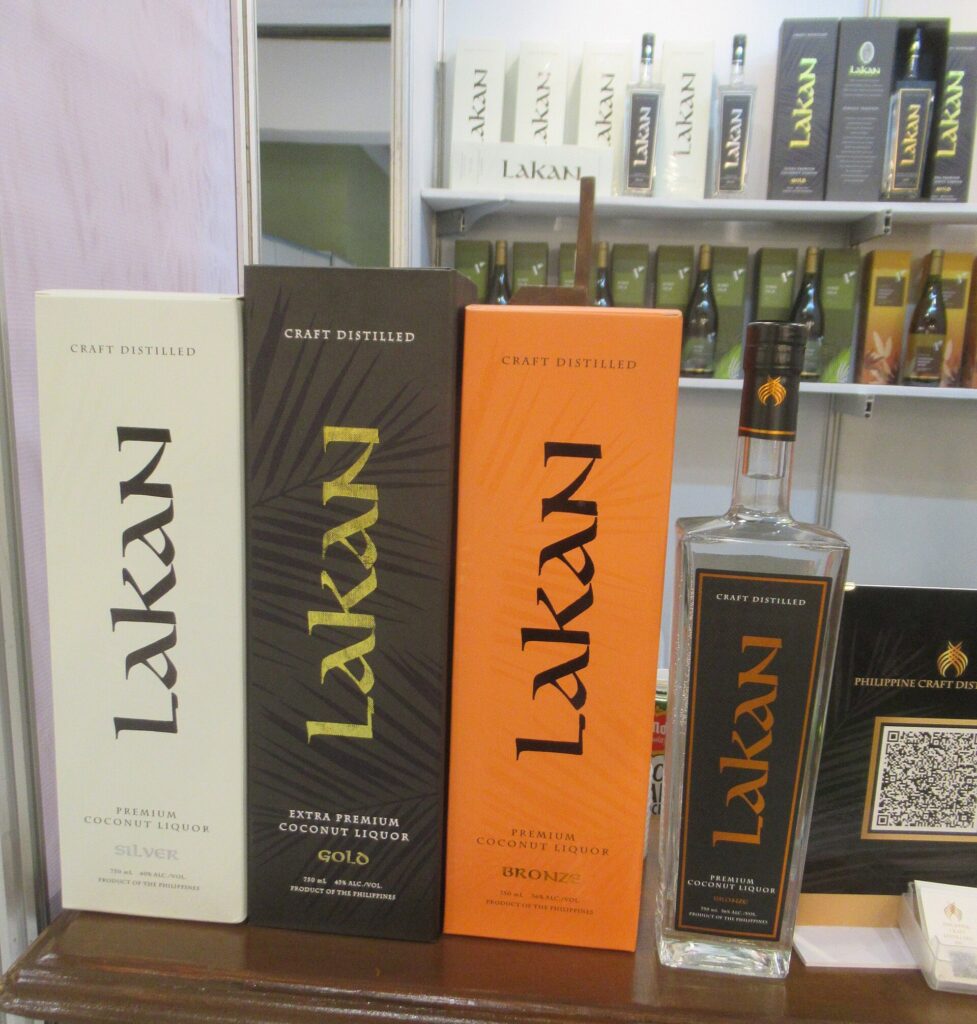
A Filipino palm-sap spirit, most familiar internationally through coconut-nectar examples. Untreated expressions can be relatively restrained, with subtle fruit or fermentation character and a warming finish. Its raw material does not require an obvious confectionery coconut flavour.
Color
Maturation
Alcohol
Sweetness
Balance
History
Lambanog is closely associated with coconut-growing communities around Mount Banahaw and the towns of Tayabas, Lucban and Sariaya in Quezon. Anthropologist Fernando Zialcita documents the labor of sap collectors and the conversion of fermented tuba into distilled liquor, while explicitly noting that lambanog’s historical origins remain unresolved. The strongest account is therefore a regional community history, not a confidently dated invention or a description of it as an imitation of vodka. Fernando Zialcita: Savoring our food can save us, Aghamtao.
Classic characteristics
Appearance
Usually clear and colourless in untreated commercial examples.
Aroma
Light to medium in restrained examples; subtle fruit, plant or fermentation impressions.
Flavor
Delicate raw-material character with alcohol warmth; coconut flavour need not be prominent.
Sweetness
Commonly dry to softly sweet-seeming; distinguish from sweetened flavored versions.
Mouthfeel
Light through rounded; refinement does not necessarily mean absence of character.
Finish
Short to medium in restrained examples; describe surviving flavour separately from heat.
Flavor Profile Deep Dive
Look for integrated sap-derived character; absence of a confectionery coconut aroma is not a fault. Investigate persistent unpleasant solvent-like, stale or sulfurous character in context. Do not diagnose a specific production error from one aroma; appropriate fermentation character and proof-related warmth are not automatic faults.
Service notes
Begin with the untreated spirit rather than a strongly flavored version. Ask staff to identify whether the aroma is neutral, lightly fruity or more fermentation-led, without requiring them to find coconut. A restrained spirit needs attentive comparison because aggressive mixers can conceal its distinctions. For consumers, a concise explanation of fermented palm sap is often sufficient, followed by the bottle's actual texture and aromatic character. Keep provenance and composition claims separate from subjective language such as smooth.
Style parameters
| Parameter | Boundary or expectation |
|---|---|
| Base material | Fermented palm sap, commonly coconut nectar |
| Bottled strength | Verify the bottle; no comprehensive Philippine legal strength range is asserted here. |
| Color and clarity | Usually clear and colourless in untreated commercial examples. |
| Maturation | Commonly presented without wood character; confirm any resting or maturation claim. |
| Additions | Separate untreated Lambanog from colored, flavored or sweetened products. |
Legal limits apply only to the named jurisdiction and identity. ADI entry conditions and typical sensory expectations are separate; a product example is not a universal range.
Cocktail connections
Browse published cocktails. Documented recipes, conditional style choices and development substitutions are labeled separately.
No established classic or recognized modern cocktail match was found for this specific style in the sources reviewed. This records a research gap, not proof that no cocktail exists. No neighboring style has been substituted to fill the space.
Style comparison
“Coconut vodka” may appear as an explanatory phrase, but it can mislead guests about both production and flavour. The defining raw material is palm nectar rather than coconut flesh. Coconut Feni provides a useful comparison in raw material, while the two traditions retain separate regional identities and production practices.
Ingredients
Fermented palm sap, commonly coconut nectar
Production notes
ADI defines Lambanog through fermented palm sap. The sap is fermented before distillation; it is not coconut milk, coconut water from inside the fruit, or a coconut infusion in vodka. Modern producers may emphasize precision and refinement, while the wider family includes varied local practices. Product-specific evidence is needed for still type, number of distillations and strength.
Commercial examples
No newly verified benchmark is designated in this revision. The original example discussion below remains a research lead, with its original qualifications.
Retained example and source context. Philippine Craft Distillers' Lakan account documents coconut nectar and a deliberately subtle expression. Philippine consular trade catalogue supplies additional producer context. Sensory expectations are provisional across the wider ADI family.
Photo credit
Premium LAKAN lambanog. Photo: Valenzuela400 / Wikimedia Commons. CC BY-SA 4.0. Display resized; no other edits.
