
Commercial Examples
Smithwick's Irish Ale, Kilkenny Irish Red, Beamish Red Ale, Magners Original Red Ale, Franciscan Well Rebel Red

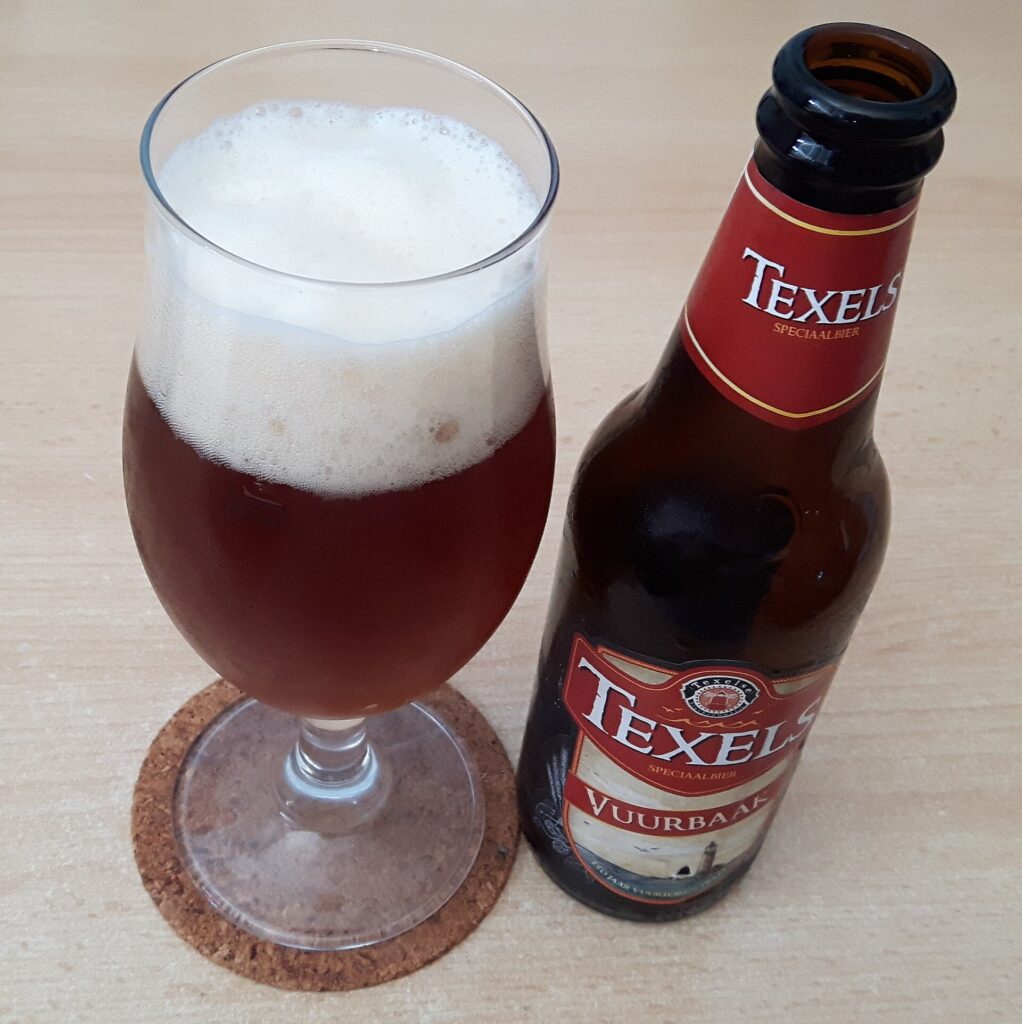
A moderate-strength, malty Irish ale with a dryish finish and subtle roasted character from roasted barley. Irish Red Ale is an adaptation of the English Bitter style to Irish brewing traditions, featuring the characteristic use of roasted barley that gives Irish ales their distinctive dry finish.
Irish Red Ale emerged as Irish brewers adapted the English Bitter tradition to suit their own tastes and ingredients. The style incorporates the malty, balanced approach of English Bitters but adds the distinctive character of roasted barley, which creates a subtle roasted dryness in the finish. This adaptation reflects the broader Irish brewing tradition of using roasted barley in various beer styles.
The style gained prominence in the 20th century as Irish breweries sought to differentiate themselves from their English counterparts while maintaining accessibility and malty character. Irish Red Ale bridges the gap between the sweetness of typical Bitters and the dryness of stouts, creating a unique middle ground.
Irish Red Ale originated throughout Ireland as breweries adapted English styles to Irish preferences and ingredient availability. The roasted barley component is particularly associated with Irish brewing tradition across multiple beer styles.
Today, Irish Red Ale remains a staple of Irish pubs and breweries, both traditional and craft. Modern interpretations generally maintain the malty, approachable character with subtle roasted notes, though some craft examples explore additional complexity in hop character or grain composition.
Reddish-amber to copper in color, clear to slightly hazy. Small to moderate head, typically lasting briefly. Appearance indicates medium-bodied beer with moderate gravity.
Malty aroma with caramel and toffee notes. Subtle roasted grain aroma from roasted barley (not as pronounced as in stouts). Low hop aroma, often with subtle earthy or herbal character. Minimal alcohol aroma.
Malty foundation with caramel and toffee flavors, balanced by a dry finish from roasted barley's contribution. The roasted barley creates subtle roasted grain and subtle cocoa notes without creating a stout-like intensity. Moderate bitterness balances the malt sweetness. Dryish finish distinguishes the style from sweeter English Bitters.
Malty sweetness with caramel and toffee as primary notes, balanced by a dryish finish from roasted barley's contribution. The overall impression is of approachable maltiness with a dry edge.
Subtle roasted grain notes, subtle cocoa flavor, herbal or earthy hop character, minimal alcohol notes.
Dry to balanced finish with lingering malt character and subtle roasted dryness. Not cloying despite the malt sweetness—the roasted barley and moderate bitterness prevent that.
Serve at 50-55°F in a standard pint glass. This is a beer designed for quaffing in relaxed settings—not necessarily demanding contemplation, but rewarding it when given attention.
Overall Impression: An easy-drinking pint, often with subtle flavors. Slightly malty in the balance sometimes with an initial soft toffee/caramel sweetness, a slightly grainy-biscuity palate, and a touch of roasted dryness in the finish. Some versions can emphasize the caramel and sweetness more, while others will favor the grainy palate and roasted dryness.
Aroma: Low to moderate malt aroma, either neutral-grainy or with a lightly caramelly-toasty-toffee character. May have a very light buttery character (although this is not required). Hop aroma is low earthy or floral to none (usually not present). Quite clean.
Appearance: Medium amber to medium reddish-copper color. Clear. Low off-white to tan colored head, average persistence.
Flavor: Moderate to very little caramel malt flavor and sweetness, rarely with a light buttered toast or toffee-like quality. The palate often is fairly neutral and grainy, or can take on a lightly toasty or biscuity note as it finishes with a light taste of roasted grain, which lends a characteristic dryness to the finish. A light earthy or floral hop flavor is optional. Medium to medium-low hop bitterness. Medium-dry to dry finish. Clean and smooth. Little to no esters. The balance tends to be slightly towards the malt, although light use of roasted grains may increase the perception of bitterness slightly.
Mouthfeel: Medium-light to medium body, although examples containing low levels of diacetyl may have a slightly slick mouthfeel (not required). Moderate carbonation. Smooth. Moderately attenuated.
Comments: Several variations exist within the style, which causes the guidelines to be somewhat broad to accommodate them. Traditional Irish examples are relatively low in hops, are grainy with a slight roast dryness in the finish, fairly neutral in general. Modern export Irish examples are more caramelly and sweet, and might have more esters. American craft versions are often more alcoholic versions of the Irish export examples. An emerging Irish craft beer scene is exploring more bitter versions of traditional examples.
History: While Ireland has a long ale brewing heritage, the modern Irish Red Ale style is essentially an adaptation or interpretation of the popular English Bitter style with less hopping and a bit of roast to add color and dryness. Rediscovered as a craft beer style in Ireland, today it is an essential part of most brewery lineups, along with a pale ale and a stout.
Characteristic Ingredients: Generally has a bit of roasted barley or black malt to provide reddish color and dry roasted finish. Pale base malt. Caramel malts were historically imported and more expensive, so not all brewers would use them.
Style Comparison: A less-bitter and hoppy Irish equivalent to an English Bitter, with a dryish finish due to roasted barley. More attenuated with less caramel flavor and body than equivalent-strength Scottish ales.
Vital Statistics: OG: 1.036 – 1.046 IBUs: 18 – 28 FG: 1.010 – 1.014 SRM: 9 – 14 ABV: 3.8 – 5.0%
Commercial Examples: Caffrey's Irish Ale, Franciscan Well Rebel Red, Kilkenny Irish Beer, O'Hara's Irish Red Ale, Porterhouse Red Ale, Samuel Adams Irish Red, Smithwick's Irish Ale
Irish-Style Red Ale Color: Copper-red to reddish-brown Clarity: Chill haze or yeast haze may be present at low levels Perceived Malt Aroma & Flavor: Low to medium candy-like caramel malt sweetness should be present in flavor. A toasted malt character should be present and there may be a slight roast barley or roast malt presence. Perceived Hop Aroma & Flavor: Not present to medium Perceived Bitterness: Medium Fermentation Characteristics: Low level fruity esters are acceptable. Diacetyl is usually absent in these beers but may be present at very low levels. Body: Medium Original Gravity: 1.040-1.048 (10-11.9 Plato) Final Gravity: 1.010-1.014 (2.6-3.6 Plato) Alcohol by Weight (Volume): 3.2%-3.8% (4.0%-4.8%) Bitterness (IBU): 20-28 Color SRM (EBC): 11-18 (22-36 EBC)
Pale Ale malt as base (75-85%), with caramel malt (10-20L) for sweetness and body. Roasted barley (3-5%) for subtle roasted character and dryness. Some brewers include flaked barley for smoothness.
English or Irish hop varieties at moderate levels for bittering and balance. Earthy, herbal, or slightly spicy character often used. Minimal late-addition or aroma hops.
English ale yeast fermented at moderate temperatures (62-68°F) for clean fermentation with minimal ester production.
Moderately sulfate water typical of Irish brewing regions, though soft water can also work well.
Single infusion mash in the mid saccharification range (152-156°F) to create balance between fermentability and residual sweetness.
Moderate ale fermentation (7-14 days), with proper conditioning to develop smooth character. Not aggressively carbonated.
At the Pub: Smash burger and fries Takeout: Kabobs Casual date: Sushi
Irish cheddar, farmhouse Irish cheeses, aged gouda
Roasted meats, beef stew, corned beef, Irish sausages, roasted chicken, smoked fish
Caramel-based desserts, dark chocolate, apple tarts
Excellent with Irish pub fare, traditional Irish cuisine, and hearty comfort foods.
Black Flannel Vermont Common
New: Flogging Molly Old: Grainger, Lincolnshire Posy
Smithwick's Irish Ale, Kilkenny Irish Red, Beamish Red Ale, Magners Original Red Ale, Franciscan Well Rebel Red