
Compound Gin
A gin assembled through blending or flavor addition rather than necessarily distilling all botanicals together in one final operation. Its flavour can be classic or unconventional. The production route does not establish a compulsory rough, simple or inferior sensory profile.
Color
Maturation
Alcohol
Sweetness
Balance
History
Compound gin’s historical identity is tied to the distinction between assembling flavors in spirit and redistilling with botanicals. European regulation in 1989 explicitly distinguished gin from distilled gin, excluding simple essence addition from the latter designation. That is a documented classification milestone, not an invention date for compounding. The evidence reviewed does not identify a single founder of this production approach. European Community: Regulation 1576/89, adopted May 1989.
Classic characteristics
Appearance
Commonly clear and colourless; permitted ingredients and treatment can alter appearance.
Aroma
Light to pronounced; juniper plus the selected botanical arrangement.
Flavor
Classic pine/citrus/spice through other botanical directions, according to formulation.
Sweetness
Usually dry to softly sweet-seeming; verify actual sweetening.
Mouthfeel
Light through oily or rounded; extraction and blending affect integration.
Finish
Short through long; assess coherence and persistence rather than assuming simplicity.
Flavor Profile Deep Dive
Judge balance and condition in the glass; a compounding route is not a sensory fault in itself. Investigate persistent unpleasant solvent-like, stale or sulfurous character in context. Do not diagnose a specific production error from one aroma; appropriate fermentation character and proof-related warmth are not automatic faults.
Service notes
Compare a documented compound expression with a jointly distilled gin, preferably with similar botanical emphasis. Ask tasters to describe differences without knowing the production route first. Then determine which observations are supported and which remain guesses. Assess whether the flavours feel integrated, whether the finish is balanced and whether the gin performs in its intended drink. For consumers, explain the assembly method only when it helps the choice; flavour and intended use remain the practical priorities.
Style parameters
| Parameter | Boundary or expectation |
|---|---|
| Base material | Agricultural spirit with juniper and other botanicals |
| Bottled strength | U.S. ordinary gin at least 40% ABV; EU gin at least 37.5% apply where sold as ordinary gin. |
| United States: bottled ABV | at least 40%; see identity requirements. |
| European Union: bottled ABV | at least 37.5%; see identity requirements. |
| Color and clarity | Commonly clear and colourless; permitted ingredients and treatment can alter appearance. |
| Maturation | Not inherent to the process; any wood treatment needs separate identification. |
| Additions | Individual distillates or extracts define ADI's process options. |
Legal limits apply only to the named jurisdiction and identity. ADI entry conditions and typical sensory expectations are separate; a product example is not a universal range.
Cocktail connections
Browse published cocktails. Documented recipes, conditional style choices and development substitutions are labeled separately.
No established classic or recognized modern cocktail match was found for this specific style in the sources reviewed. This records a research gap, not proof that no cocktail exists. No neighboring style has been substituted to fill the space.
Style comparison
Compound is a process description, whereas classic and contemporary describe botanical emphasis. A compound gin can therefore taste classic. The word should not be used as a synonym for adulterated, nor should a producer's use of separately distilled botanicals automatically be translated into every jurisdiction's legal terminology. Documented method and market designation both matter.
Ingredients
Agricultural spirit with juniper and other botanicals
Production notes
ADI includes blends of individual botanical distillates, including juniper, and neutral spirit flavored with extracts. That competition definition should be retained explicitly because different markets distinguish gin and distilled gin in their own ways. The maker's process establishes eligibility; the finished aroma cannot reliably reveal whether botanicals were distilled together or assembled separately.
Commercial examples
No newly verified benchmark is designated in this revision. Select a documented qualifying expression before running a benchmark tasting.
Retained example and source context. The supplied ADI definition is the controlling competition boundary for this entry. Shared U.S. and EU gin provisions explain why a production claim must be checked by market. No unsupported commercial benchmark is assigned merely because a gin tastes extracted, intense or unusually botanical.
Photo credit
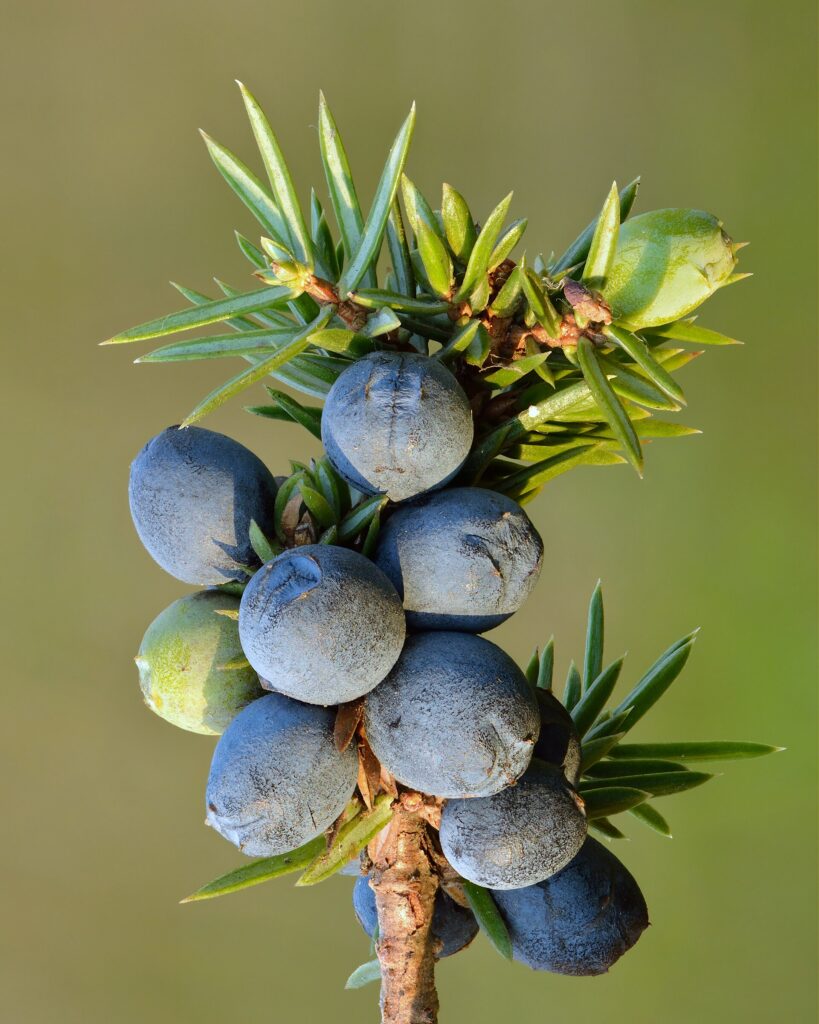
Ingredient or production reference: Juniper berries, the defining gin botanical. This photograph illustrates the raw material or process, not a bottle of this specific style. Photo: Ivar Leidus / Wikimedia Commons. CC BY-SA 4.0. Display resized; no other edits.

Keep exploring
- EU Regulation 2019/787 — evidence reviewed 2026-09-17.
- 27 CFR 5.144 — evidence reviewed 2026-09-17.