
Coffee Liqueur
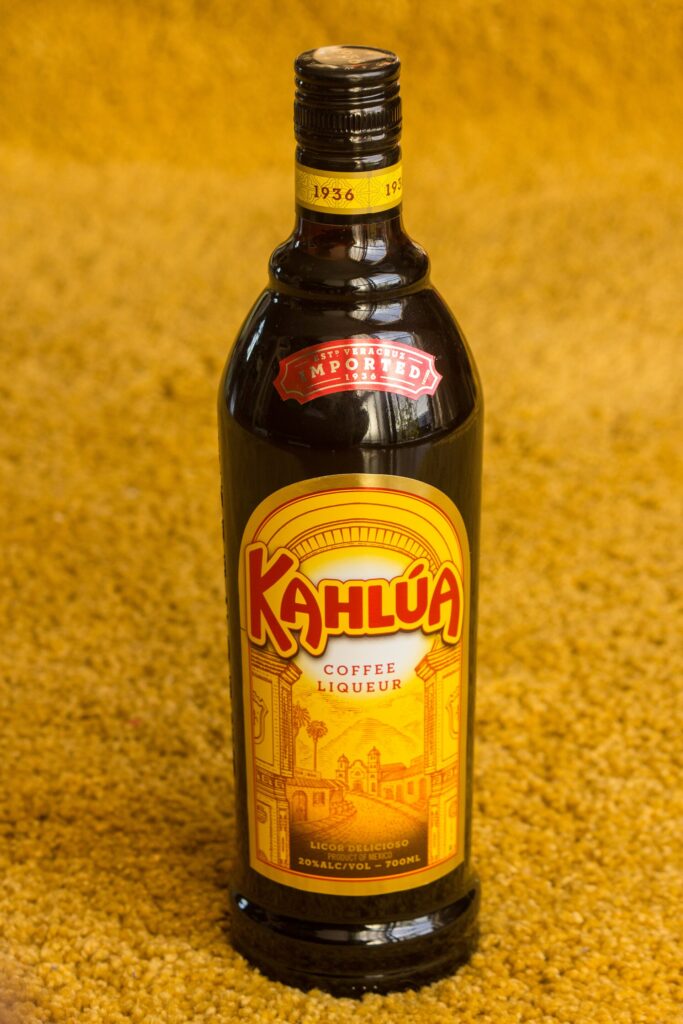
A sweetened coffee-flavored spirit ranging from roast-led and bittersweet to rich, dessert-like expressions. Coffee may bring chocolate, nut, fruit or floral associations in addition to familiar roasted notes. The base spirit and sweetening should support the intended coffee character.
Color
Maturation
Alcohol
Sweetness
Balance
History
Coffee liqueur’s modern international history is strongly represented by Kahlúa, whose company history dates its creation in Mexico to 1936. The product combined coffee with a sugarcane-spirit base and developed into a widely recognizable bottled category. That launch supplies a firm commercial milestone, but not proof that coffee and alcohol had never previously been combined or that all later coffee liqueurs descend from the same recipe. Kahlúa: company history.
Classic characteristics
Appearance
Commonly brown through nearly opaque dark brown; other processed presentations are possible.
Aroma
Medium to pronounced coffee, with roast, cocoa, nut or fruit associations.
Flavor
Coffee-led bitterness and sweetness; base-spirit character may remain evident.
Sweetness
Medium-sweet through very sweet in sensory terms; bitterness can mask substantial sugar.
Mouthfeel
Rounded through viscous; extraction and formulation influence weight.
Finish
Medium to long in expressive examples, carrying coffee, cocoa or bittersweet roast.
Flavor Profile Deep Dive
Assess coffee character against sweetness and spirit; roast bitterness can be appropriate, while stale coffee notes merit investigation. Investigate stale ingredients, an unpleasant solvent-like edge, or sweetness/bitterness that overwhelms the declared flavor. Intentional color or sweetening is not itself a defect.
Service notes
Taste for roast character, bitterness, sweetness and texture separately. Then evaluate the liqueur with the coffee used in the intended cocktail, since those two ingredients can reinforce or compete with one another. Avoid treating every coffee liqueur as a fixed-dose substitute. For guests, describe the actual profile—roasty, chocolate-like, fruity or particularly sweet—and consult product information for ingredient or caffeine questions rather than estimating from flavour.
Style parameters
| Parameter | Boundary or expectation |
|---|---|
| Base material | Spirit, coffee ingredients and sweetening |
| Bottled strength | Product-specific; cited Mr Black expression is 25%. |
| European Union: bottled ABV | at least 15%; General liqueur rule; explicit named-type exceptions apply. |
| Color and clarity | Commonly brown through nearly opaque dark brown; other processed presentations are possible. |
| Maturation | Not required; any aged spirit contribution should be documented. |
| Additions | Coffee flavor and sweetening; dairy, vanilla or other additions vary. |
Legal limits apply only to the named jurisdiction and identity. ADI entry conditions and typical sensory expectations are separate; a product example is not a universal range.
Cocktail connections
Style comparison
Coffee Liqueur is not the same as coffee-flavored vodka or a premixed Espresso Martini. The liqueur's sweetening and role in a recipe matter. It also differs from Cream Liqueur unless actual cream is present, although a product can fit both ingredient families. Dark colour alone cannot establish coffee concentration, roast level or caffeine content.
Ingredients
Spirit, coffee ingredients and sweetening
Production notes
ADI includes flavor derived through distillation, maceration or extracts of beans, grounds or brewed coffee. Roast, extraction and coffee selection can influence the result, but the label must support specific production claims. A coffee liqueur need not contain dairy, and a creamy texture alone does not prove that cream was added.
Commercial examples
| Expression | Stated ABV | Source/market review | Eligibility note |
|---|---|---|---|
| Mr Black Cold Brew Coffee Liqueur | 25% | U.S. producer page; checked 2026-09-18 | Producer identity and stated strength checked; not a tasting or full label-compliance certification |
Retained example and source context. Mr Black Cold Brew Coffee Liqueur documents Arabica coffee, cold extraction, vodka and a 25% bottling, with chocolate and dried-fruit associations. Shared liqueur rules define the legal family; this example does not prescribe every coffee liqueur's base or extraction method.
Photo credit
Kahlúa coffee liqueur. Photo: Ikokujin / Wikimedia Commons. CC BY-SA 4.0. Display resized; no other edits.

Keep exploring
- EU Regulation 2019/787 — evidence reviewed 2026-09-17.
- 27 CFR 5.150 — evidence reviewed 2026-09-17.