
Botanical Brandy
A brandy-based spirit flavored through real botanical material, with the botanical and fruit-spirit contributions arranged in varying proportions. Herbal, floral, citrus, root or spice character may lead. This is a broad ADI process category, not a promise of one particular flavour.
Color
Maturation
Alcohol
Sweetness
Balance
History
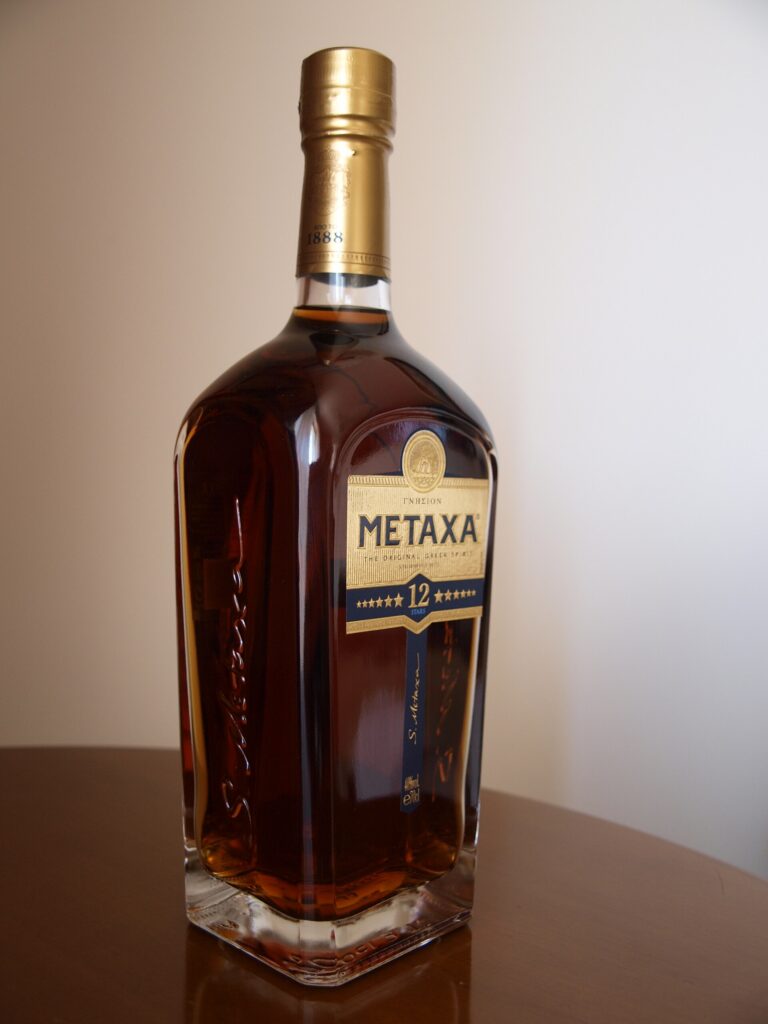
Botanical Brandy is an umbrella that needs to be distinguished from a single protected regional spirit. A useful historical analogue is Metaxa, created in 1888 and combining grape distillates, Muscat wine and botanicals. That example documents a long-established way of building botanical complexity around grape spirit; it is not proof that Metaxa satisfies every ADI entry condition or that its creator invented the entire botanical-brandy category. Rémy Cointreau: Metaxa history and composition.
Classic characteristics
Appearance
Colourless after distillation or botanical-derived colour after maceration under ADI's definition.
Aroma
Medium to pronounced; declared botanical families with variable underlying fruit character.
Flavor
Herbal, floral, citrus or spicy expression; bitterness may be an intended feature.
Sweetness
Dry through sweet according to formulation; botanical does not mean unsweetened.
Mouthfeel
Light through oily or rounded; extracted compounds can affect grip and weight.
Finish
Variable length; assess whether botanicals and base remain coherent together.
Flavor Profile Deep Dive
Assess botanical definition against the brandy base; verify qualifying botanical processing rather than infer it from aroma. Investigate stale ingredients, an unpleasant solvent-like edge, or sweetness/bitterness that overwhelms the declared flavor. Intentional color or sweetening is not itself a defect.
Service notes
Have staff separate the aroma of the base fruit from the botanical contribution where possible, while accepting that an assertive botanical can obscure the base. Ask whether bitterness, sweetness and alcohol support the intended flavour. In cocktails, use the actual botanical balance rather than treating every example as a substitute for ordinary brandy. For consumers, identify both the base and the principal botanical when documented, without inventing a recipe from the aroma.
Style parameters
| Parameter | Boundary or expectation |
|---|---|
| Base material | Brandy and real botanicals |
| Bottled strength | Finished-product designation and label determine the applicable requirement. |
| United States: bottled ABV | at least 30%; Only products qualifying as flavored spirits under 5.151; not every ADI entrant. |
| Color and clarity | Colourless after distillation or botanical-derived colour after maceration under ADI's definition. |
| Maturation | Document the base; ADI's colour restriction must still be reconciled. |
| Additions | Real botanicals define this entry; extracts fall outside its supplied boundary. |
Legal limits apply only to the named jurisdiction and identity. ADI entry conditions and typical sensory expectations are separate; a product example is not a universal range.
Cocktail connections
Browse published cocktails. Documented recipes, conditional style choices and development substitutions are labeled separately.
No established classic or recognized modern cocktail match was found for this specific style in the sources reviewed. This records a research gap, not proof that no cocktail exists. No neighboring style has been substituted to fill the space.
Style comparison
Botanical brandy and flavored brandy can overlap sensorially while differing under ADI's ingredient/process distinction. A citrus aroma produced naturally during fermentation is not evidence that citrus was added. A botanical brandy may also resemble gin or an anise spirit, but those identities carry separate requirements that should not be inferred from a tasting resemblance.
Related styles: Flavored Brandy · Herbal / Botanical / Spiced Liqueur.
Ingredients
Brandy and real botanicals
Production notes
ADI specifies botanical distillation or maceration rather than extracts, and attributes any colour to post-distillation maceration of the botanicals. A producer's qualifying process must therefore be established, especially where a barrel-aged base would otherwise complicate the colour explanation. The finished legal designation may differ from the competition entry.
Commercial examples
No newly verified benchmark is designated in this revision. Select a documented qualifying expression before running a benchmark tasting.
Retained example and source context. The supplied ADI definition establishes the specific process and colour boundary. U.S. flavored-spirit provisions provide additional labeling context where applicable. No single benchmark is assigned because the entry covers unrestricted botanical combinations and requires product-level qualification.
Photo credit
Metaxa 12 Stars. Photo: Tolisr / Wikimedia Commons. CC BY-SA 3.0. Display resized; no other edits.

Keep exploring
- 27 CFR 5.151 — evidence reviewed 2026-09-17.