
Commercial Examples
Sierra Nevada Pale Ale (often brewed in blonde ale style), Kona Brewing Golden Ale, Sweetwater Blue, Harpoon Rec League

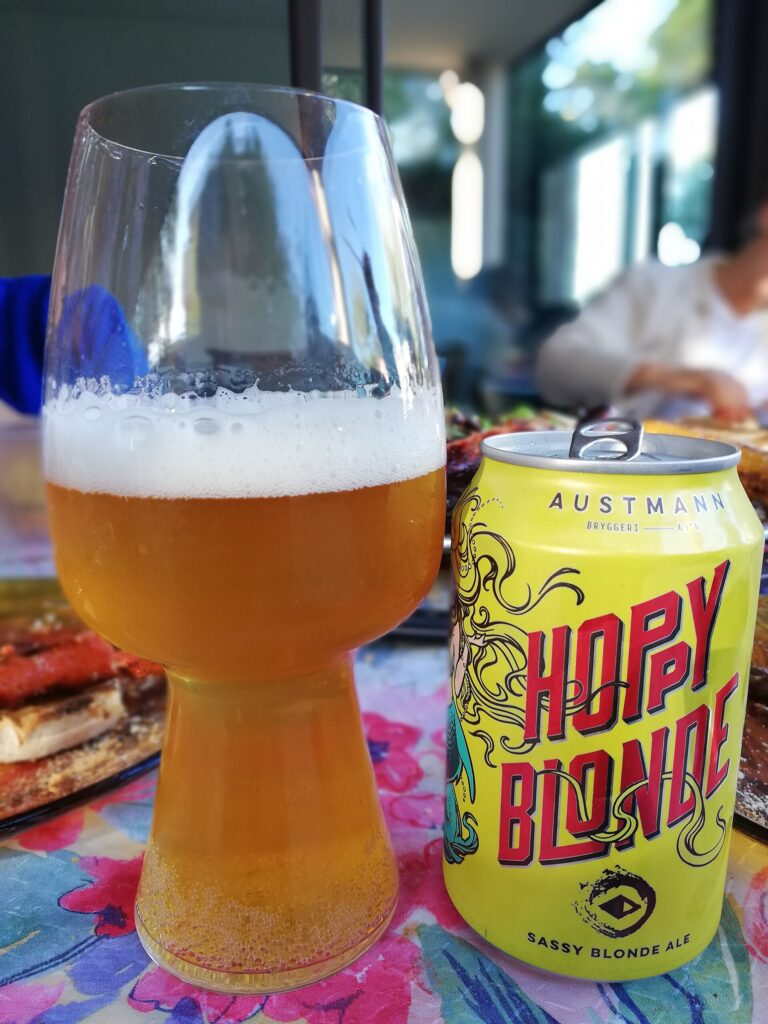
A light, approachable ale with minimal complexity. Clean and smooth with subtle hop character and light malt sweetness, American Blonde Ales represent an entry point into craft beer with enough character to distinguish them from light lagers, yet accessible to drinkers unfamiliar with hop-forward beers.
The American Blonde Ale emerged in the craft beer movement of the 1980s and 1990s as brewers sought to create beers that would appeal to drinkers transitioning from mass-market American lagers. Rather than create bold, challenging beers, some breweries produced approachable ales that demonstrated craft quality while maintaining accessibility. The style is not ancient or steeped in tradition—it is a modern invention designed specifically for the American market.
The category represents a pragmatic approach to craft brewing: create beers that showcase quality ingredients and technique while remaining friendly to new craft beer drinkers. This positioning has made American Blonde Ales among the most popular craft beers, particularly as gateway beers for drinkers exploring local breweries for the first time.
American Blonde Ales originated in the American craft beer movement, particularly in regions with active craft brewing scenes. They represent an American approach to beer that prioritizes approachability and subtle sophistication over boldness.
While the style remains relatively unchanged since its establishment, individual breweries continue to express slight variations in hop character, malt profile, and overall approach. Some breweries emphasize floral or spicy hops, others keep hopping minimal. The fundamental character—light, approachable, with subtle craft character—remains consistent.
Pale gold to light golden color, clear to slightly hazy. White to light tan head that is usually modest. The appearance should be light and inviting.
Subtle, usually clean malt aroma with light sweetness. Minimal hop aroma—if present, should be subtle and supportive rather than prominent. Possible slight fruity esters from ale yeast, but these should be restrained. The overall aroma should not challenge or intimidate the drinker.
Light to moderate malt sweetness with subtle hop flavor providing gentle balance. The malt character should be clean and straightforward, without complex grain flavors. Hop bitterness is present but gentle, typically in the range of 15-28 IBUs. Finish is dry to slightly sweet. Overall, the flavor should be smooth, approachable, and free from rough edges or intense character.
Light malt sweetness with subtle hop balance. The beer should emphasize approachability above all else. Grain character should be clean and straightforward without complexity. If hop character is present, it should be supportive and gentle.
Subtle fruity esters from ale yeast, though these should be minimal. Possible slight caramel from specialty malts if used. Overall, secondary flavors should be very subtle—this beer is about simplicity.
Dry to slightly sweet finish without lingering character. The finish should be clean and refreshing.
Serve well-chilled in a standard glass at 48-55°F. Best enjoyed in casual settings or as an introduction to craft beer for those coming from mainstream lagers.
Overall Impression: Easy-drinking, approachable, malt-oriented American craft beer, often with interesting fruit, hop, or character malt notes. Well-balanced and clean, is a refreshing pint without aggressive flavors.
Aroma: Light to moderate sweet malty aroma, possibly with a light bready or caramelly note. Low to moderate fruitiness is optional, but acceptable. May have a low to medium hop aroma, and can reflect almost any hop variety although citrusy, floral, fruity, and spicy notes are common.
Appearance: Light yellow to deep gold in color. Clear to brilliant. Low to medium white head with fair to good retention.
Flavor: Initial soft malty sweetness, but optionally some light character malt flavor (e.g., bread, toast, biscuit, wheat) can also be present. Caramel flavors typically absent; if present, they are typically low-color caramel notes. Low to medium fruity esters optional, but are welcome. Light to moderate hop flavor (any variety), but shouldn't be overly aggressive. Medium-low to medium bitterness, but the balance is normally towards the malt or even between malt and hops. Finishes medium-dry to slightly malty-sweet; impression of sweetness is often an expression of lower bitterness than actual residual sweetness.
Mouthfeel: Medium-light to medium body. Medium to high carbonation. Smooth without being heavy.
Comments: Brewpub alternative to standard American lagers, typically offered as an entry-level craft beer.
History: An American craft beer style produced by many microbreweries and brewpubs, particularly those who cannot produce lagers. Regional variations exist (many US West Coast brewpub examples are more assertive, like pale ales) but in most areas this beer is designed as the least challenging beer in their lineup.
Characteristic Ingredients: Generally all malt, but can include up to 25% wheat malt and some sugar adjuncts. Any hop variety can be used. Clean American, lightly fruity English, or Kolsch yeast. May also be made with lager yeast, or cold conditioned. Some versions may have honey, spices and/or fruit added, although if any of these ingredients are stronger than a background flavor they should be entered in those specialty categories instead.
Style Comparison: Typically has more flavor than American Lagers and Cream Ales. Less bitterness than an American Pale Ale.
Vital Statistics: OG: 1.038 – 1.054 IBUs: 15 – 28 FG: 1.008 – 1.013 SRM: 3 – 6 ABV: 3.8 – 5.5%
Commercial Examples: Kona Big Wave Golden Ale, Pelican Kiwanda Cream Ale, Russian River Aud Blonde, Victory Summer Love, Widmer Citra Summer Blonde Brew
Golden or Blonde Ale
Color: Straw to gold
Clarity: Chill haze should not be present
Perceived Malt Aroma & Flavor: Low malt sweetness and toast, cereal-like or other pale malt attributes should be present in flavor and aroma at low to medium-low levels.
Perceived Hop Aroma & Flavor: Hop aroma and flavor should be medium-low to medium, with attributes typical of hops of any origin present but not dominant.
Perceived Bitterness: Low to medium
Fermentation Characteristics: Fruity esters may be present at low to medium-low levels. Diacetyl and DMS should not be present.
Body: Low to medium with a crisp finish
Original Gravity (Plato) 1.045-1.054 (11.2-13.3 Plato) – Apparent Extract/Final Gravity (Plato) 1.008-1.016 (2.1-4.1 Plato) – Alcohol by Weight (Volume) 3.2%-4.0% (4.1%-5.1%) – Bitterness (IBU) 15-25 – Color SRM (EBC) 3-7 (6-14 EBC)
Pale malt base—typically two-row or Pilsner malt constituting 90%+ of the grain bill. Small amounts of caramel malt (10-20 L) can be used to add subtle sweetness and body, but this should be minimal. The focus should be on clean, light malt character rather than complexity.
Minimal hopping with a focus on balance rather than assertiveness. Bittering hops should be modest (typically 1 oz or less for 5 gallons). Aroma hops, if used, should be gentle and supportive. Noble varieties or mild American varieties work well. Total IBUs typically fall in the 15-28 range, with many examples toward the lower end.
Clean American ale yeast strain that ferments efficiently and does not contribute significant fruity esters. The goal is a smooth, clean fermentation that allows malt and subtle hops to shine.
Soft to moderately balanced water works well. Avoid aggressive mineral profiles that might emphasize bitterness or other character.
Single infusion mash in the mid-range saccharification temperature (around 150-154°F) to balance fermentability and body.
Ferment at moderate ale temperature (around 66-70°F) with a clean yeast strain. The fermentation should be clean and straightforward.
At the Pub: Embered Endive Salad or Pretzel and Pub Cheese
Takeout: Chinese dumplings
Casual date: Sushi
Mild cheeses, fresh mozzarella, cheddar
Grilled chicken, light fish, seafood, mild preparations
Salads, light vegetables, fish tacos, fresh fruit
Not typical with sweets; works best as a casual, session-friendly beer
Lightly peated Scotch (like a Speyside or Lowlands, just stay away from Islay with this beer)
New: Bob Dylan
Old: Bach, Inventions and Sinfonias
Sierra Nevada Pale Ale (often brewed in blonde ale style), Kona Brewing Golden Ale, Sweetwater Blue, Harpoon Rec League