
Commercial Examples
Jenlain (ambrée – the style standard), Brasserie Duyck, Lefebvre Blond, Lefebvre Ambrée, Caracole Amber, various Belgian farmhouse examples

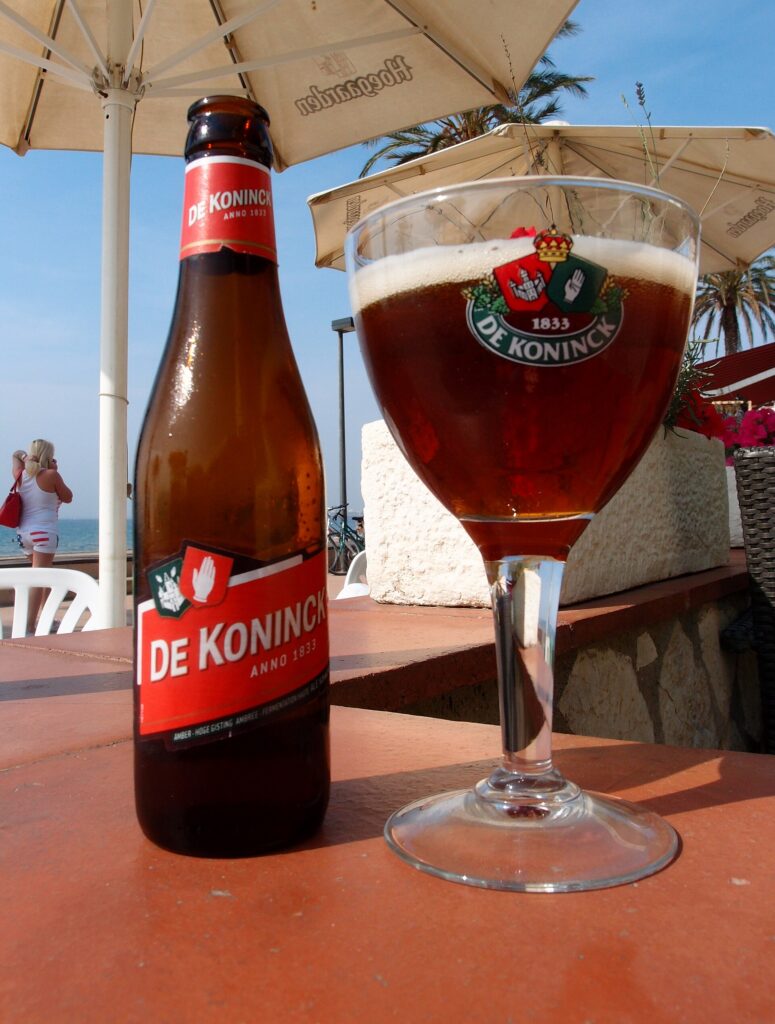
Bière de Garde literally means "beer that is kept," referring to the original purpose of these beers. Brewed in winter to be consumed year-round, these malty yet dry beers balance significant grain character with crisp, clean finish. Modern versions are lagered ales or cold-aged ales with ale yeast, creating distinctive character. The style exists in three color variants: blond (pale), ambrée (amber), and brune (brown).
Bière de Garde and its related cousin Saison developed from necessity. In pre-industrial Europe, brewing during summer was practically impossible—heat spoiled fermentation and infection was rampant. Brewers therefore produced strong, shelf-stable beers in winter to sustain them through warm months.
The term "de Garde" emphasizes that the keeping occurred at the brewery or in proper cellars, not in consumer homes. A poorly cellared home bottle would spoil. These were professional beers, often sold by producers for proper cellaring.
Similar seasonal concepts produced related styles:
Bière de Garde originated in territories of northern France and Belgium (Flanders, Wallonia). The agricultural regions of Picardy, Nord-Pas-de-Calais, and Wallonia developed distinctive brewing traditions.
A 1905 British account described Bière de Garde as "acidic and with vinous flavor," indicating the funky, aged character these beers developed.
The style nearly disappeared during the 20th century. Brasserie Duyck revived it in the 1970s by creating Jenlain Bière de Garde, which became iconic and standardized the modern interpretation. Today, Jenlain represents the type example.
Blond (Pale) Variant: Light golden to pale amber color, clear, good head retention
Ambrée (Amber) Variant: Amber to copper color, clear to slightly hazy, good head
Brune (Brown) Variant: Medium to dark brown color, clear, low to moderate head
All variants display good clarity and color appropriate to variant.
Malty sweetness dominates with complex grain character. Noble or herbal hop aroma restrained. Earthy, slightly spicy character from traditional malts. Subtle vinous, aged character. Very clean, no fruity esters.
Malty, complex grain character balanced against surprising dryness. The paradox of Bière de Garde is its ability to taste malty while remaining dry. Subtle caramel and bread notes. Herbal, earthy hop character integrated with malt. Finish is dry and clean despite the beer's fullness.
Malty sweetness and complex grain character form the foundation. Continental malt character brings earthy, slightly spicy notes. The dryness balances malt fullness.
Subtle caramel (especially amber and brown variants). Very light floral or herbal notes from hops. Clean lager-like character from lagering process. Slight minerality from water.
Dry, clean finish that persists. No sweetness lingers. Subtle earthy character may remain.
Serve at cool ale temperature (50-55°F) in a traditional Belgian glass or brandy snifter. The beer's complexity opens up as it warms.
Overall Impression: A fairly strong, malt-accentuated, lagered artisanal beer with a range of malt flavors appropriate for the color. All are malty yet dry, with clean flavors and a smooth character.
Aroma: Prominent malty sweetness, often with a complex, light to moderate intensity toasty-bready-rich malt character. Low to moderate esters. Little to no hop aroma (may be a bit spicy, peppery, or herbal). Paler versions will still be malty but will lack richer, deeper aromatics and may have a bit more hops. Generally quite clean, although stronger versions may have a light, spicy alcohol note as it warms.
Appearance: Three main variations exist (blond, amber and brown), so color can range from golden-blonde to reddish-bronze to chestnut brown. Clarity is brilliant to fair, although haze is not unexpected in this type of often unfiltered beer. Well-formed head, generally white to off-white (varies by beer color), average persistence.
Flavor: Medium to high malt flavor often with a toasty-rich, biscuity, toffee-like or light caramel-sweet character. Malt flavors and complexity tend to increase with beer color. Low to moderate esters and alcohol flavors. Medium-low hop bitterness provides some support, but the balance is always tilted toward the malt. Darker versions will have more of an initial malty-sweet impression than paler versions, but all should be malty in the palate and finish. The malt flavor lasts into the finish, which is medium-dry to dry, never cloying. Low to no hop flavor (spicy, peppery, or herbal), although paler versions can have slightly higher levels of herbal or spicy hop flavor (which can also come from the yeast). Smooth, well-lagered character, even if made with ale yeast. Aftertaste of malt (character appropriate for the color) with some dryness and light alcohol.
Mouthfeel: Medium to medium-light (lean) body, often with a smooth, creamy-silky character. Moderate to high carbonation. Moderate alcohol warming, but should be very smooth and never hot.
Comments: Three main variations are included in the style: the brown (brune), the blond (blonde), and the amber (ambree). The darker versions will have more malt character, while the paler versions can have more hops (but still are malt-focused beers). A related style is Biere de Mars, which is brewed in March (Mars) for present use and will not age as well. Attenuation rates are in the 80-85% range. Some fuller-bodied examples exist, but these are somewhat rare. Age and oxidation in imports often increases fruitiness, caramel flavors, and adds corked and musty notes; these are all signs of mishandling, not characteristic elements of the style.
History: Name literally means "beer which has been kept or lagered." A traditional artisanal ale from Northern France brewed in early spring and kept in cold cellars for consumption in warmer weather. It is now brewed year-round.
Characteristic Ingredients: The "cellar" character commonly described in literature is more of a feature of mishandled commercial exports than fresh, authentic products. The somewhat moldy character comes from the corks and/or oxidation in commercial versions, and is incorrectly identified as "musty" or "cellar-like." Base malts vary by beer color, but usually include pale, Vienna and Munich types. Darker versions will have richer malt complexity and sweetness from crystal-type malts. Sugar may be used to add flavor and aid in the dry finish. Lager or ale yeast fermented at cool ale temperatures, followed by long cold conditioning. Floral, herbal or spicy continental hops.
Style Comparison: Related to the Belgian Saison style, the main difference is that the Biere de Garde is rounder, richer, malt-focused, and lacks the spicy, bitter character of a Saison.
Entry Instructions: Entrant must specify blond, amber, or brown biere de garde. If no color is specified, the judge should attempt to judge based on initial observation, expecting a malt flavor and balance that matches the color.
Vital Statistics: OG: 1.060 – 1.080 IBUs: 18 – 28 FG: 1.008 – 1.016 SRM: 6 – 19 ABV: 6.0 – 8.5%
Commercial Examples: Ch'Ti (brown and blond), Jenlain (amber and blond), La Choulette (all 3 versions), St. Amand (brown), Saint Sylvestre 3 Monts (blond), Russian River Perdition
French-Style Biere de Garde
Color: Light amber to chestnut brown/red
Clarity: Chill haze is acceptable. These beers are often bottle conditioned so slight yeast haze is acceptable.
Perceived Malt Aroma & Flavor: These beers are characterized by a toasted malt aroma along with a slight malt sweetness and/or toasted malt flavor.
Perceived Hop Aroma & Flavor: Low to medium from noble-type hops
Perceived Bitterness: Low to medium
Fermentation Characteristics: Fruity ester aromas are medium to high. Whereas fruity ester flavors are low to medium. Diacetyl should not be present. Biere de Garde may have Brettanomyces yeast-derived flavors that are slightly acidic, fruity, horsey, goaty and/or leather-like. Alcohol may be evident in higher strength beers.
Body: Low to medium
Additional notes: Earthy and/or cellar-like aromas are acceptable.
Original Gravity (Plato) 1.060-1.080 (14.7-19.3 Plato) – Apparent Extract/Final Gravity (Plato) 1.012-1.024 (3.1-6.1 Plato) – Alcohol by Weight (Volume) 3.5%-6.3% (4.4%-8.0%) – Bitterness (IBU) 20-30 – Color SRM (EBC) 7-16 (14-32 EBC)
Continental pale malts (Northern European varieties preferred) as base (75-85%). Specialty malts for color and character vary by variant:
Blond Variant: 10-15% lighter specialty malts (pale crystals, light Munich)
Ambrée Variant: 10-15% amber/caramel malts
Brune Variant: 15-20% darker malts (darker Munich, dark caramel, chocolate malts)
Herbal or noble hop varieties (Saazer-type, East Kent Golding) used minimally for balance. The goal is clean character, not hop emphasis.
Ale yeast, often selected for character suited to cool fermentation. Modern versions typically employ lagering techniques with ale yeast, creating cleaner profile than traditional fermentation.
Continental water profiles, often with higher alkalinity. The water's characteristics contribute to the slightly earthy, slightly husky quality of traditional versions.
Step mashing or multi-step infusion mash typical. Single infusion mash used in modern simplified versions. Temperatures managed to achieve both malt extract and proper attenuation (80-85% typical).
Modern versions employ lagered ale approach:
Historical versions may have employed spontaneous fermentation or cool fermentation creating slight complexity.
These beers must be consumed fresh—ideally within 6 months of production. "Keeping" historically meant cellaring at the brewery or dedicated cellar facilities, not indefinite aging. Modern versions should be drunk relatively fresh or properly stored.
Mishandled imports sometimes develop cork, oxidation, and cellar-aged defects (earth, mushroom, stale bread notes). These are not authentic—they indicate poor transport or storage conditions. Authentic Bière de Garde should taste fresh, malty, and clean.
At the Pub: Embered veggies
Brunch: Corned beef hash with seared american-style potatoes
Cheese pairing: Earthy camembert
Hard aged cheeses, Belgian and Northern European varieties
Roasted meats, charcuterie, hearty stews, Belgium fries with various sauces, casual pub food
Bread-based desserts, fruit tarts, simple cakes
Agave Dream
New: Ben Howard
Old: Schubert, Die Schone Mullerin
Jenlain (ambrée – the style standard), Brasserie Duyck, Lefebvre Blond, Lefebvre Ambrée, Caracole Amber, various Belgian farmhouse examples