Black Flannel Academy

Saison | Corbeau Rouge

bitter · pale-color · standard-strength · top-fermented · Traditional style · western-europe

Saison means "season" in French, referring to the beer's original purpose: a low-gravity provision beer brewed in winter for seasonal farm workers. The term encompasses tremendous stylistic variation—from low-gravity table saisons (3.5-5.0% ABV) to powerful super saisons (7.0-9.5% ABV). What unites saisons is their essential character: dry, refreshing, highly attenuated, with prominent yeast and hop character. These beers represent the rustic, rough-around-edges opposite of modern refined brewing.

Color

Pale variants: 5-14 Dark variants: 15-22

Bitterness

Alcohol

Sweetness

Dry, refreshing, crisp finish dominant.

Balance

Moderate hop bitterness and herbal/earthy flavor.

History

Seasonal Beer Tradition

Saison emerged from necessity in agricultural regions. Brewers produced a year's supply of beer in winter when cool temperatures made fermentation manageable. This beer would sustain the household and farm workers through warmer months. The practice was widespread across northern France and Wallonia (southern Belgium).

Geographic Origins

Saison tradition developed in Wallonia (southern Belgium), Flanders (northern Belgium and northern France), and Picardy (northern France). These agricultural territories with long brewing histories developed regional beer styles adapted to seasonal production.

Strength Variations

Saisons were brewed at various strengths based on intended consumption:

Table Saison (Session Saison): 3.5-5.0% ABV. Light, refreshing, for daily consumption.

Standard Saison: 5.0-7.0% ABV. The most common interpretation, for more substantial meals and events.

Super Saison (Saison Spéciale): 7.0-9.5% ABV. Strong, complex, for special occasions and extended storage.

Historical Decline and Modern Attitudes

For most of the 20th century, saison was a dying style—associated with rustic, unsophisticated brewing. Modern craft brewers initially romanticized saison, celebrating its rough character and wild fermentation. However, a problematic trend emerged: craft brewers developed a pasteurized, refined interpretation of saison that eliminated the very roughness that made the original authentic.

The Paradox: Farmhouse Myth vs. Farmhouse Reality

Modern beer culture celebrates "farmhouse ale" as a concept: rustic, authentic, agricultural. Yet historical farmhouse beers were rough, unpredictable, often containing defects that modern brewers would eliminate. Contemporary Saison exists in tension between:

  • Historical reality: Crude, edge-case beers with variable character
  • Modern interpretation: Refined, consistently excellent, carefully engineered

The authentic approach: Understanding that historical farmhouses produced variable beers and not attempting to "fix" or over-refine what was originally raw.

Saison Dupont

Saison Dupont, produced by the family-owned Brasserie Dupont since the 1920s, represents the closest modern equivalent to historical saison. It remains the style standard and has earned a legendary reputation among beer enthusiasts. Dupont has resisted massive expansion or acquisition, maintaining quality and tradition.

Modern Craft Interpretation

The American craft beer scene embraced saison enthusiastically in the 2010s. However, the focus on refinement sometimes eliminated the rustic character that made saison distinctive. Contemporary craft saisons range from historically accurate rough interpretations to over-engineered creations bearing little resemblance to original farmhouse beers.

Naming Confusion

In the United States, saison is sometimes called "Farmhouse Ale." This term is not common in Europe. The term "Farmhouse Ale" specifically in American craft beer usually refers to saison-like beers, but the distinction is worth noting.

Classic characteristics

Appearance

Color varies dramatically by strength and style:

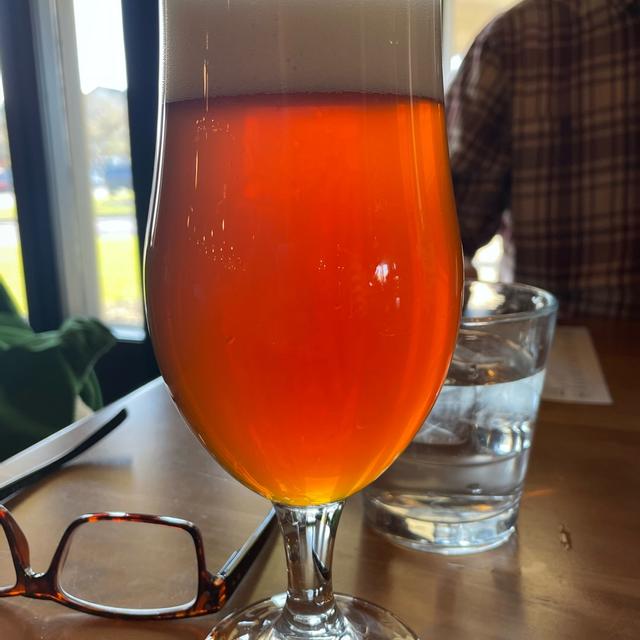
Pale Saison: Pale to light golden, clear to slightly hazy, white head with good retention

Dark/Amber Saison: Amber to copper or dark brown, clear, brown head

All saisons display some cloudiness characteristic of the style (unfiltered, bottle-conditioned).

Aroma

Prominent yeast character: spicy (clove, pepper), fruity (citrus, stone fruit, sometimes funky). Herbal hop character from noble or Saazer-type varieties. No single dominant aroma—complexity and layering characteristic. Clean fermentation or subtle funk depending on yeast strain.

Flavor

Dry, refreshing, crisp finish dominant. Complex yeast character provides spicy and fruity notes. Moderate hop bitterness and herbal/earthy flavor. Grain character restrained. High attenuation means minimal residual sweetness despite grain character. Character highly dependent on yeast and strength variant.

Mouthfeel

  • ABV: 3.5-9.5% (varies by variant)
  • Body: Light to medium
  • Carbonation: High (bottle conditioning)
  • Finish: Dry, crisp, refreshing

Flavor Profile Deep Dive

Primary Flavors

Yeast character dominates: spicy (clove, black pepper, sometimes licorice), fruity (citrus, stone fruit, sometimes funky). Dryness from high attenuation. Moderate hop bitterness integrated with grain.

Secondary Flavors

Herbal, earthy hop character. Grain sweetness minimal despite grain bill. Optional herbs/spices (when used) integrate with yeast and hops. With age, fruity character may increase, spice may mellow.

Aftertaste

Dry, crisp, clean finish. High carbonation contributes to refreshing sensation. No sweetness lingers. Yeast character persists.

Service notes

Serve at cool ale temperature (50-55°F) in a tulip-shaped glass or traditional Belgian glass. Pour leaving just enough sediment—the yeast contributes character.

BJCP designation

Overall Impression: Most commonly, a pale, refreshing, highly-attenuated, moderately-bitter, moderate-strength Belgian ale with a very dry finish. Typically highly carbonated, and using non-barley cereal grains and optional spices for complexity, as complements the expressive yeast character that is fruity, spicy, and not overly phenolic. Less common variations include both lower-alcohol and higher-alcohol products, as well as darker versions with additional malt character.

Aroma: Quite aromatic, with fruity, spicy, and hoppy characteristics evident. The esters can be fairly high (moderate to high), and are often reminiscent of citrus fruits such as oranges or lemons. The hops are low to moderate and are often spicy, floral, earthy, or fruity. Stronger versions can have a soft, spicy alcohol note (low intensity). Spicy notes are typically peppery rather than clove-like, and can be up to moderately strong (typically yeast-derived). Subtle, complementary herb or spice additions are allowable, but should not dominate. The malt character is typically slightly grainy in character and low in intensity. Darker and stronger versions will have more noticeable malt, with darker versions taking characteristics associated with grains of that color (toasty, biscuity, caramelly, chocolate, etc.). In versions where sourness is present instead of bitterness, some of the sour character can be detected (low to moderate).

Appearance: Pale versions are often a distinctive pale orange but may be pale golden to amber in color (gold to amber-gold is most common). Darker versions may run from copper to dark brown. Long-lasting, dense, rocky white to ivory head resulting in characteristic Belgian lace on the glass as it fades. Clarity is poor to good, though haze is not unexpected in this type of unfiltered beer. Effervescent.

Flavor: Medium-low to medium-high fruity and spicy flavors, supported by a low to medium soft malt character, often with some grainy flavors. Bitterness is typically moderate to high, although sourness can be present in place of bitterness (both should not be strong flavors at the same time). Attenuation is extremely high, which gives a characteristic dry finish essential to the style; a Saison should never finish sweet. The fruity character is frequently citrusy (orange or lemon), and the spices are typically peppery. Allow for a range of balance in the fruity-spicy characteristics; this is often driven by the yeast selection. Hop flavor is low to moderate, and generally spicy or earthy in character. The balance is towards the fruity, spicy, hoppy character, with any bitterness or sourness not overwhelming these flavors. Darker versions will have more malt character, with a range of flavors derived from darker malts (toasty, bready, biscuity, chocolate, etc.) that support the fruity-spicy character of the beer (roasted flavors are not typical). Stronger versions will have more malt flavor in general, as well as a light alcohol impression. Herbs and spices are completely optional, but if present should be used in moderation and not detract from the yeast character. The finish is very dry and the aftertaste is typically bitter and spicy. The hop bitterness can be restrained, although it can seem accentuated due to the high attenuation levels.

Mouthfeel: Light to medium body. Alcohol sensation varies with strength, from none in table version to light in standard versions, to moderate in super versions. However, any warming character should be fairly low. Very high carbonation with an effervescent quality. There is enough prickly acidity on the tongue to balance the very dry finish. In versions with sourness, a low to moderate tart character can add a refreshing bite, but not be puckering (optional).

Comments: Variations exist in strength and color, but they all have similar characteristics and balance, in particularly the refreshing, highly-attenuated, dry character with high carbonation. There is no correlation between strength and color. The balance can change somewhat with strength and color variations, but the family resemblance to the original artisanal ale should be evident. Pale versions are likely to be more bitter and have more hop character, while darker versions tend to have more malt character and sweetness, yielding a more balanced presentations. Stronger versions often will have more malt flavor, richness, and body simply due to their higher gravity. Although they tend to be very well-attenuated, they may not be perceived to be as dry as standard-strength saisons due to their strength. The Saison yeast character is a must, although maltier and richer versions will tend to mask this character more. Often called Farmhouse ales in the US, but this term is not common in Europe where they are simply part of a larger grouping of artisanal ales.

History: A provision ale originally brewed in Wallonia, the French-speaking part of Belgium, for consumption during the active farming season. Originally a lower-alcohol product so as to not debilitate field workers, but tavern-strength products also existed. Higher-strength and different-colored products appeared after WWII. The best known modern saison, Saison Dupont, was first produced in the 1920s. Originally a rustic, artisanal ale made with local farm-produced ingredients, it is now brewed mostly in larger breweries yet retains the image of its humble origins.

Characteristic Ingredients: Not typically spiced, with the yeast, hops and grain providing the character; but spices are allowed if they provide a complementary character. Continental base malts are typical, but the grist frequently contains other grains such as wheat, oats, rye, or spelt. Adjuncts such as sugar and honey can also serve to add complexity and dry out the beer. Darker versions will typically use richer, darker malts, but not typically roasted types. Saazer-type, Styrian or East Kent Golding hops are commonly used. A wide range of herbs or spices can add complexity and uniqueness, but should always meld well with the yeast and hop character. Brettanomyces is not typical for this style; Saisons with Brett should be entered in the American Wild Ale category.

Style Comparison: At standard strengths and pale color (the most common variety), like a more highly-attenuated, hoppy, and bitter Belgian blond ale with a stronger yeast character. At super strength and pale color, similar to a Belgian tripel, but often with more of a grainy, rustic quality and sometimes with a spicier yeast character.

Vital Statistics: OG: 1.048 – 1.065 (standard) IBUs: 20 – 35 FG: 1.002 – 1.008 (standard) SRM: 5 – 14 (pale) ABV: 3.5 – 5.0% (table) 15 – 22 (dark) 5.0 – 7.0% (standard) 7.0 – 9.5% (super)

Commercial Examples: Ellezelloise Saison, Fantome Saison, Lefebvre Saison 1900, Saison Dupont Vieille Provision, Saison de Pipaix, Saison Regal, Saison Voisin, Boulevard Tank 7 Farmhouse Ale

Brewers Association designation

  • Classic French & Belgian-Style Saison
    • Color: Gold to light amber
    • Clarity: Chill haze or slight yeast haze is acceptable
    • Perceived Malt Aroma & Flavor: Low, but providing foundation for the overall balance.
    • Perceived Hop Aroma & Flavor: Low to medium and characterized by European-type hops: floral, herbal and/or woody traits are common.
    • Perceived Bitterness: Medium-low to medium, but not assertive.
    • Fermentation Characteristics: Fruity esters are medium to high. Low to medium-low level phenolics may be present, expressed as spice-like or other attributes. Phenolics should not be harsh or dominant and should be in harmony with ester profile and hops. Fruity and spicy black pepper attributes derived from Belgian yeast are common. Diacetyl should not be present. Very low levels of Brettanomyces yeast-derived flavors that are slightly acidic, fruity, horsey, goaty and/or leather-like, may be present but are not required. These beers are well attenuated and often bottle conditioned contributing some yeast character and high carbonation.
    • Body: Very low to low
  • Original Gravity (°Plato) 1.040-1.060(10-14.7 °Plato) – Apparent Extract/Final Gravity (°Plato) 1.004-1.008(1.0-2.0 °Plato) – Alcohol by Weight (Volume) 3.5%-5.4%(4.4%-6.8%) – Bitterness (IBU) 20-38 – Color SRM (EBC) 4-7(8-14 EBC)

Style comparison

Parent Categories

  • Belgian Strong Ale family (broader category)

Similar Styles

  • Bière de Garde (related farmhouse style, different character)
  • Farmhouse Ale terminology (primarily American craft usage)

Modern Variants

  • American Wild Ales with saison influences
  • Brett Saisons (technically American Wild Ales, not traditional Saison)

Ingredients

Hops

Traditional noble varieties: Saazer-type, East Kent Golding, Styrian Goldings. Spicy, herbal, slightly floral character desired. Bittering modest (20-35 IBU) relative to alcohol content.

Brewing process

Grain Bill Flexibility

One of saison's defining characteristics is grain bill flexibility. Historical farmhouses used whatever grains were available:

Base Malts: Continental pale malts (French, Belgian)

Adjuncts: Wheat, oats, rye, spelt—all were historically used

Sugar: Candi sugar or honey additions used historically

Modern Approach: While flexibility is historical, quality grain selection creates superior results compared to purely utilitarian historical versions

Yeast: The Essential Element

Yeast defines saison character more than any other ingredient. Saison yeast strains produce distinctive spicy (phenolic) and fruity (estery) character:

  • Belgian Ale yeasts (Wyeast 1214, White Labs WLP565) produce clove, black pepper character
  • Spicy fermentation notes dominate young saisons
  • Character may mellow with age, developing more fruity secondary notes

Critical Truth: The beer's character is largely hidden until fermentation completes. Young saison tastes different from aged saison—both are valid.

Mashing and Fermentation

Mash Profile: Step mashing or single infusion around 150-155°F for good fermentability and body balance

Fermentation: Higher than typical ale temperatures (70-85°F) encourage yeast character development. Warm fermentation drives spicy and fruity notes.

Attenuation: High attenuation essential (80%+) creates the characteristic dryness

Bottle Conditioning

Bottle conditioning is traditional and adds complexity:

  • Secondary fermentation in bottle from residual yeast and sugars
  • Creates natural carbonation (traditional, higher pressure)
  • Develops layers of complexity over time
  • Adds slight haze from suspended yeast

Historical vs. Modern: Forced carbonation cannot replicate bottle conditioning's complexity, though modern versions sometimes use this shortcut.

Optional Adjuncts

Herbs and spices may be used, but traditionally were not routine:

  • Some farmhouses added minimal herbs for medical/preservation purposes
  • Modern craft often overuses spices, contradicting historical practice
  • When used, spices must integrate with yeast and hop character, not dominate

Food pairings

At the Pub: Embered veggies Brunch: Buttered biscuits with sausage gravy Cheese pairing: Taleggio

Cheese

Aged cheeses, Belgian varieties, goat cheese

Meat & Seafood

Charcuterie, roasted meats, light poultry, fish, especially when paired with acidic or herbal elements

Desserts

Lighter fare, fruit-based desserts, not a dessert beer category

Spirit pairings

Agave Dream

The soundtrack

New: Sufjan Stevens, Michigan Old: Copland, Appalachian Spring

Keep exploring

  • BJCP Guidelines: 25B (Saison)
  • Beer Judge Certification Program: BJCP Official Guidelines
  • Brewer's Association: BA Beer Style Guidelines
  • Saison Dupont Legacy: Standard-bearer for traditional saison
  • Belgian Farmhouse Brewing: Regional traditions and variations
  • Yeast Strain Research: Understanding saison yeast characteristics
  • Bottle Conditioning: Secondary fermentation and complexity development

Commercial Examples

Legendary Standard: Saison Dupont (Wallonian classic, produced since 1920s)

Other Notable Examples:

  • FantĂ´me Saison (wild, unpredictable character)
  • De Regenboog Saison
  • Ommegang (American interpretation)
  • Hill Farmstead Brewery saisons
  • Various Belgian farmhouse versions

Saison Variants by Strength

Table Saison (Session Variant)

OG 1.048-1.055, ABV 3.5-5.0%

Light, refreshing, highly drinkable. For daily consumption. Simple grain bill, restrained flavor.

Standard Saison

OG 1.055-1.065, ABV 5.0-7.0%

The classic version. Moderate complexity, higher yeast character. Good balance of drinkability and substance.

Super Saison

OG 1.065+, ABV 7.0-9.5%

Stronger, more complex, fuller-bodied. Increased malt character while maintaining dryness. For special occasions and extended aging.

Important Note: Brettanomyces NOT Typical

Modern American wild ale culture sometimes adds Brettanomyces to saisons, creating "Brett Saisons." These are not traditional saisons—they enter the American Wild Ale category (25C). Historical saisons used standard ale yeast fermentation, occasionally with spontaneous elements (but not deliberate Brett).

Black Flannel Plans: Wild Saisons

Black Flannel explores mixed fermentation and wild beers using local wild yeast strains isolated from Vermont. These will represent an American expansion of saison concepts, distinct from traditional Belgian versions. These would be classified as American Wild Ales or similar, not traditional Saison.

Return to all beer styles

Scroll to Top