Commercial Examples
Achel Extra Brune, Black Flannel Brewing Vicarious, Boulevard The Sixth Glass, Chimay Grande Réserve, Gouden Carolus Grand Cru of the Emperor, Rochefort 8 & 10, St. Bernardus Abt 12, Westvleteren 12

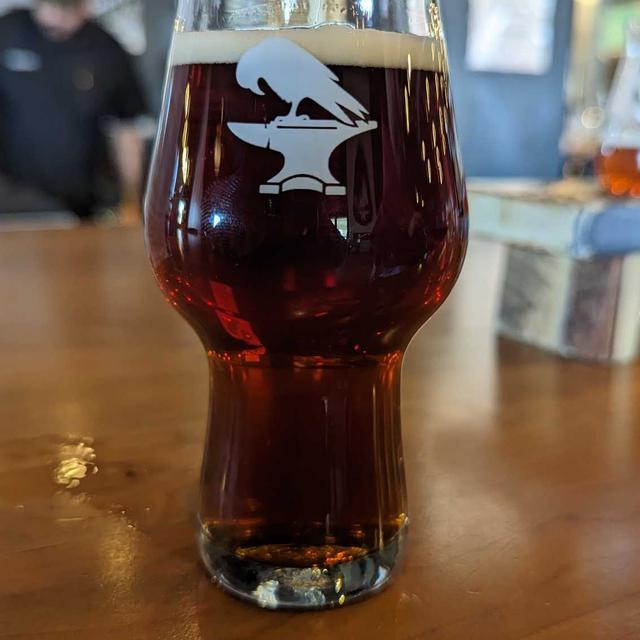
A rich, elegant, and malty beer praised for its complexity. Typically the strongest ale in the Belgian and Trappist categories by ABV. A dark, complex, very strong Belgian ale with a delicious blend of malt richness, dark fruit flavors, and spicy elements.
The recipes for modern versions of Belgian Dark Strong—sometimes referred to as Belgian Quadrupel—came around only within the last century and a half. After Belgium became an independent nation in 1830, monks established modern monastery locations and one by one began brewing for sale to the public to support their mission. Dark Strongs are undoubtedly outgrowths of previous brewing practice, but the versions we know today were created as little as 50 or 60 years ago.
Historical records show monks brewed different strength beers for different classes of guests centuries ago, but the long aging and complex blending practices of modern Dark Strongs developed primarily in the twentieth century as a method to create maximum flavor complexity while managing the challenges of high-alcohol fermentation.
Originated in Belgium at various Trappist monasteries including Westvleteren, Rochefort, Chimay, and Achel. Each monastery has developed unique versions reflecting their particular brewing approaches and ingredient preferences. Westvleteren 12, sold only at the monastery gates, is considered by many to be the pinnacle of the style.
These beers are designed to age in cool conditions (45-50°F) where they develop remarkable complexity over years. Authentic Trappist versions tend to be drier than Abbey versions. Modern production still emphasizes bottle conditioning and extended lagering periods. The style remains one of the most sought-after in the beer world.
Deep amber to deep coppery-brown in color. Huge, dense, moussy, persistent cream- to light tan-colored head. Can be clear to somewhat hazy.
Complex, with a rich-sweet malty presence, significant esters and alcohol, and an optional light to moderate spiciness. The malt is rich and strong with a deep bready-toasty quality often with deep caramel complexity. Fruity esters strong to moderately low, containing raisin, plum, dried cherry, fig or prune notes. Spicy phenols may be present with peppery quality. Alcohols are soft, spicy, perfumy and/or rose-like, and low to moderate in intensity.
Similar to aroma with malty-rich palate which can have a sweet impression if bitterness is low. Usually moderately dry to dry finish, though may be up to moderately sweet. Medium-low to moderate bitterness with alcohol providing balance to malt. Generally malty-rich balance with complex and varied flavors blending smoothly. The finish should not be heavy or syrupy.
Rich malty sweetness forms the foundation with deep bready-toasty character. Dark fruit esters—raisins, plums, prunes, figs—provide complexity and balance. Spicy phenolic notes add layers of flavor that evolve as beer ages and warms.
Complex alcohol character with soft, rose-like or perfumy notes. Optional low light chocolate character in darker versions. Subtle vanilla notes in aged examples. Tannin character from extended aging.
Long, smooth finish with lingering malt character and subtle spice. Alcohol warmth is noticeable but not harsh. Complexity that develops and changes as the beer sits in the glass.
Serve in a goblet at 48-50°F. A beer to share among good friends, best enjoyed slowly. The high alcohol content and complexity make this ideal as an after-dinner sipping beer. Can be aged for years with proper cellaring conditions (45-50°F).
Overall Impression: A dark, complex, very strong Belgian ale with a delicious blend of malt richness, dark fruit flavors, and spicy elements. Complex, rich, smooth and dangerous.
Aroma: Complex, with a rich-sweet malty presence, significant esters and alcohol, and an optional light to moderate spiciness. The malt is rich and strong, and can have a deep bready-toasty quality often with a deep caramel complexity. The fruity esters are strong to moderately low, and can contain raisin, plum, dried cherry, fig or prune notes. Spicy phenols may be present, but usually have a peppery quality not clove-like; light vanilla is possible. Alcohols are soft, spicy, perfumy and/or rose-like, and are low to moderate in intensity. Hops are not usually present (but a very low spicy, floral, or herbal hop aroma is acceptable). No dark/roast malt aroma. No hot alcohols or solventy aromas.
Appearance: Deep amber to deep coppery-brown in color (dark in this context implies more deeply colored than golden). Huge, dense, moussy, persistent cream- to light tan-colored head. Can be clear to somewhat hazy.
Flavor: Similar to aroma (same malt, ester, phenol, alcohol, and hop comments apply to flavor as well). Moderately malty-rich on the palate, which can have a sweet impression if bitterness is low. Usually moderately dry to dry finish, although may be up to moderately sweet. Medium-low to moderate bitterness; alcohol provides some of the balance to the malt. Generally malty-rich balance, but can be fairly even with bitterness. The complex and varied flavors should blend smoothly and harmoniously. The finish should not be heavy or syrupy.
Mouthfeel: High carbonation but not sharp. Smooth but noticeable alcohol warmth. Body can range from medium-light to medium-full and creamy. Most are medium-bodied.
Comments: Authentic Trappist versions tend to be drier (Belgians would say more digestible) than Abbey versions, which can be rather sweet and full-bodied. Traditionally bottle conditioned (or refermented in the bottle). Sometimes known as a Trappist Quadruple, most are simply known by their strength or color designation.
History: Most versions are unique in character reflecting characteristics of individual breweries, produced in limited quantities and often highly sought-after.
Characteristic Ingredients: Belgian yeast strains prone to production of higher alcohols, esters, and sometimes phenolics are commonly used. Impression of a complex grain bill, although many traditional versions are quite simple, with caramelized sugar syrup or unrefined sugars and yeast providing much of the complexity. Saazer-type, English-type or Styrian Goldings hops commonly used. Spices generally not used; if used, keep subtle and in the background.
Style Comparison: Like a larger dubbel, with a fuller body and increased malt richness. Not as bitter or hoppy as a tripel, but of similar strength.
Vital Statistics: OG: 1.075 – 1.110 IBUs: 20 – 35 FG: 1.010 – 1.024 SRM: 12 – 22 ABV: 8.0 – 12.0%
Commercial Examples: Achel Extra Brune, Boulevard The Sixth Glass, Chimay Grande Reserve, Gouden Carolus Grand Cru of the Emperor, Rochefort 8 & 10, St. Bernardus Abt 12, Westvleteren 12
Belgian-Style Quadrupel
Color: Amber to dark brown
Clarity: Chill haze is acceptable at low temperatures
Perceived Malt Aroma & Flavor: Caramel, dark sugar and malty sweet flavors and aromas can be intense, but not cloying, and should complement fruitiness.
Perceived Hop Aroma & Flavor: Not present to very low
Perceived Bitterness: Low to medium-low
Fermentation Characteristics: Perception of alcohol can be strong. Complex fruity flavors, such as raisins, dates, figs, grapes and/or plums are often present and may be accompanied by wine-like attributes at low levels. Clove-like phenolic flavor and aroma may be present at low to medium-low levels. Diacetyl and DMS should not be present.
Body: Full with creamy mouthfeel
Additional notes: Head should be dense and mousse-like. Quadrupels are well attenuated and are characterized by an intense alcohol presence balanced by other flavors, aromas and bitterness. They are well balanced with savoring/sipping-type drinkability. Oxidized character, if present in aged Quads, should be mild and pleasant.
Original Gravity (Plato) 1.084-1.120 (20.2-28 Plato) – Apparent Extract/Final Gravity (Plato) 1.014-1.020 (3.6-5.1 Plato) – Alcohol by Weight (Volume) 7.2%-11.2% (9.1%-14.2%) – Bitterness (IBU) 25-50 – Color SRM (EBC) 16-36 (32-72 EBC)
Varies quite widely between brewers. Achel uses chocolate malt and dark caramel syrup. Rochefort uses caramel malt and dark sugar, sometimes adding coriander. Westvleteren uses only pilsner and pale malts, achieving color through long boils and caramelized sugar.
Belgian yeast strains prone to production of higher alcohols, esters, and sometimes phenolics.
Water profiles vary by brewery location and brewing tradition.
Step mashes are common to increase fermentability. Simple sugar can represent significant portions of the grain bill, helping to boost ABV without creating excessive body.
Extended fermentation with careful temperature control. Warm fermentation temperatures allow yeast to develop complex character. Bottle conditioning is imperative for traditional character development.
This beer does pair with some food, but we prefer it like a digestif…after dinner, sipped and pondered on its own.
Aged cheddar, smoked gouda, blue cheese, washed-rind cheeses
Game birds, braised venison, hearty stews, smoked meats
Rich chocolate desserts, bread pudding with bourbon caramel, dark fruit pastries. Often best enjoyed as a digestif after dinner.
Again, you shouldn't need to pair this beer with any spirits…just enjoy it on its own.
New: John Luther Adams, Become Ocean
Old: Mahler, Symphony No. 9
Achel Extra Brune, Black Flannel Brewing Vicarious, Boulevard The Sixth Glass, Chimay Grande Réserve, Gouden Carolus Grand Cru of the Emperor, Rochefort 8 & 10, St. Bernardus Abt 12, Westvleteren 12