Black Flannel Academy

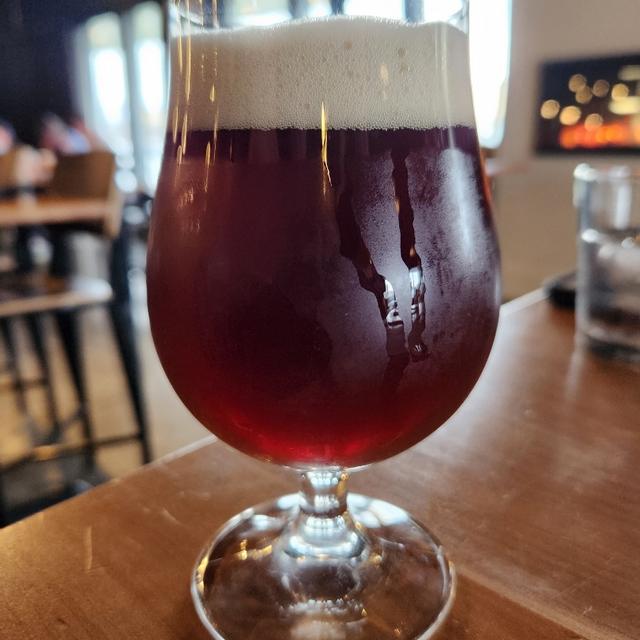
American Strong Ale | Rapscallion

aggressive · amber-color · bitter · craft-style · hoppy · Malty · new world · north-america · top-fermented

A strong, full-flavored American ale that challenges and rewards the palate with full malty and hoppy flavors and substantial bitterness. The flavors are bold but complementary, and are stronger and richer than average-strength pale and amber American ales.

Color

7 – 19 SRM

Bitterness

50 – 100 IBU

Alcohol

6.3 – 10.0% ABV

Sweetness

Balance

High bitterness balanced by lots of maltiness

History

Historical Development

Read any history of beer–and many histories of civilization for that matter–and you'll find something that resembles this story: beer was the preferred drink in ancient cities because it was cleaner to drink than water. This makes a whole lot of sense when you consider the circumstances. First, beer production requires boiling, which sterilizes what might have been unsafe drinking water. Second, fermentation ensures that yeast is the dominant microorganism in the beer (at least for a while). Lastly, the finished product contains alcohol, which acts as a preservative, so liquid could be kept and drank for longer periods. The bitter acids that come from boiling hops (iso-alpha acids) act as preservatives too, but hops wouldn't take over as the most popular bittering agent in beer until around 1500.

Even still, finished beer contains tons of wonderful food for bacteria and wild yeast to live off of. Yeast have the ability to eat a lot of the sugar we create during the brewing process, but most can't break down the biggest molecules. Every brewer tries to eliminate the possibility that unwanted organisms make it into their beer through careful cleaning and sanitization. Another important factor in keeping beer from becoming infected is refrigeration, which was only adopted by brewers starting in 1873 at Spaten.

Before refrigeration was widespread in the industry, brewers approached spoilage prevention with a lot of different strategies. One of these was producing beer with higher than normal alcohol and bigger hop additions that would allow them to be stored for longer periods. "Stock ale," as it was called, was popular in England and pre-prohibition America, but died a very inauspicious death in the states during our collective folly in the 1920s.

After a decades-long hibernation, Strong Ale made its way back into bottles in the late 1990s. In their book on the story of Stone Brewing Company, co-founders Steve Wagner and Greg Koch revealed that they brewed what would eventually become Arrogant Bastard Ale, the now iconic example of Strong Ale, by mistake. Wagner apparently added more malt to a recipe than was called for, and they didn't know whether to release the beer because it might have been too aggressive for consumers. Despite its still-successful marketing campaign, it wasn't. It did, however, challenge drinkers and inspire brewers.

The style today is a kind of catch-all for any beer that's intensely malty and hoppy, but not strong enough to be called an American Barleywine. There's a lot of room for interpretation, but they're most often amber colored and north of 7% ABV. For us, the best versions aren't a contest in who can stomach the most bitter beer…drinkability is still key. Still, be prepared for one of the more intense beers when you crack one of these, and make sure you've got a ride home.

Modern Evolution

While modern craft versions were developed as "imperial" strength versions of American amber or red ales, the style has much in common with historic American stock ales. Strong, malty beers were highly hopped to keep as provision beers prior to prohibition. There is no continuous legacy of brewing stock ales in this manner, but the resemblance is considerable. Stone Arrogant Bastard was born out of a batch of pale ale that was mistakenly made with excess ingredients, thus creating what may have been the prototype for the imperial amber/red ale. Great Lakes first brewed Nosferatu in the early 1990s and called it a stock ale, although they now call it an imperial red ale. So whether by direct historical inspiration or by accident, the style developed independently in the craft beer era and has subsequently become quite popular.

Classic characteristics

Appearance

Amber to light brown

Aroma

Assertively hop forward with notes of citrus, pine, and resin

Substantial bready, biscuity, and caramelly malt backbone

Flavor

High bitterness balanced by lots of maltiness

Long, assertive finish

Mouthfeel

Medium to full body

Sometimes with long bitter finish

Flavor Profile Deep Dive

Service notes

BJCP designation

Overall Impression: A strong, full-flavored American ale that challenges and rewards the palate with full malty and hoppy flavors and substantial bitterness. The flavors are bold but complementary, and are stronger and richer than average-strength pale and amber American ales.

Aroma: Medium to high hop aroma, most often presenting citrusy or resiny notes although characteristics associated with other American or New World varieties may be found (tropical, stone fruit, melon, etc.). Moderate to bold maltiness supports hop profile, with medium to dark caramel a common presence, bready or toasty possible and background notes of light roast and/or chocolate noticeable in some examples. Generally exhibits clean to moderately fruity ester profile. Moderate alcohol aromatics may be noticeable, but should not be hot, harsh, or solventy.

Appearance: Medium amber to deep copper or light brown. Moderate-low to medium-sized off-white to light tan head; may have low head retention. Good clarity. Alcohol level and viscosity may present "legs" when glass is swirled.

Flavor: Medium to high dextrinous malt with a full range of caramel, toffee, dark fruit flavors. Low to medium toasty, bready, or Maillard-rich malty flavors are optional, and can add complexity. Medium-high to high hop bitterness. The malt gives a medium to high sweet impression on the palate, although the finish may be slightly sweet to somewhat dry. Moderate to high hop flavor. Low to moderate fruity esters. The hop flavors are similar to the aroma (citrusy, resiny, tropical, stone fruit, melon, etc.). Alcohol presence may be noticeable, but sharp or solventy alcohol flavors are undesirable. Roasted malt flavors are allowable but should be a background note; burnt malt flavors are inappropriate. While strongly malty on the palate, the finish should seem bitter to bittersweet. Should not be syrupy and under-attenuated. The aftertaste typically has malt, hops, and alcohol noticeable.

Mouthfeel: Medium to full body. An alcohol warmth may be present, but not be excessively hot. Any astringency present should be attributable to bold hop bitterness and should not be objectionable on the palate. Medium-low to medium carbonation.

Comments: A fairly broad style that can describe beers labeled in various ways, including modern Double/Imperial Red/Amber Ales and other strong, malty-but-hoppy beers that aren't quite in the Barleywine class. Diverse enough to include what may be viewed as a strong American Amber Ale with room for more interpretations of other "Imperial" versions of lower gravity American Ale styles. Many "East Coast" type IPAs might fit better in this category if they have considerable crystal malt or otherwise more of a malty-sweet finish.

History: While modern craft versions were developed as "imperial" strength versions of American amber or red ales, the style has much in common with historic American stock ales. Strong, malty beers were highly hopped to keep as provision beers prior to prohibition. There is no continuous legacy of brewing stock ales in this manner, but the resemblance is considerable. Stone Arrogant Bastard was born out of a batch of pale ale that was mistakenly made with excess ingredients, thus creating what may have been the prototype for the imperial amber/red ale. Great Lakes first brewed Nosferatu in the early 1990s and called it a stock ale, although they now call it an imperial red ale. So whether by direct historical inspiration or by accident, the style developed independently in the craft beer era and has subsequently become quite popular.

Characteristic Ingredients: Well-modified pale malt as a base; some character malts would be appropriate, medium to dark crystal malts are typical. Citrusy or piney American hops are common, although any American or New World varieties can be used in quantity, provided they do not clash with the malt character. Generally uses an attenuative American yeast.

Style Comparison: Generally not as strong and as rich as an American Barleywine. More malt balanced than an American or Double IPA with more American hop intensity than an English Strong Ale style would tolerate.

Vital Statistics: OG: 1.062 – 1.090 IBUs: 50 – 100 FG: 1.014 – 1.024 SRM: 7 – 19 ABV: 6.3 – 10.0%

Commercial Examples: Bear Republic Red Rocket Ale, Great Lakes Nosferatu, Terrapin Big Hoppy Monster, Port Brewing Shark Attack Double Red, Stone Arrogant Bastard

Brewers Association designation

Imperial Red Ale

Color: Deep amber to dark copper/reddish-brown

Clarity: Chill haze is acceptable at low temperatures

Perceived Malt Aroma & Flavor: Medium to high caramel malt character is present in aroma and flavor

Perceived Hop Aroma & Flavor: High hop aroma and flavor, derived from any variety of hops. Hop flavor is prominent, and balanced with other beer attributes.

Perceived Bitterness: Very high

Fermentation Characteristics: Very high alcohol is a hallmark of this style. Complex alcohol flavors may be present. Fruity esters are medium. Diacetyl should not be present.

Body: Full

Original Gravity (Plato) 1.080-1.100 (19.3-23.7 Plato) – Apparent Extract/Final Gravity (Plato) 1.020-1.028 (5.1-7.1 Plato) – Alcohol by Weight (Volume) 6.3%-8.4% (8.0%-10.6%) – Bitterness (IBU) 55-85 – Color SRM (EBC) 10-17 (20-34 EBC)

Style comparison

Parent Categories

Generally not as strong and as rich as an American Barleywine. More malt balanced than an American or Double IPA with more American hop intensity than an English Strong Ale style would tolerate.

Similar Styles from Other Classifications

Ingredients

Grain Bill

Two-row brewers malt

Healthy doses of caramel malts

Lots of american hops

Clean, American yeast

Brewing process

Mash Profile

A single infusion mash in the middle to upper range for saccharification is traditional to ensure a full, malty body. Hopping rates are high both early and late in the boil producing significant bitterness and aroma. Fermented around 68F for a clean yeast profile.

Food pairings

At the Pub: Scotch egg

Takeout: Fried chicken

Casual date: Thai

Desserts

Spirit pairings

Brandy

The soundtrack

New: Metal

Old: Joseph Schwantner, …and the mountains rising nowhere

Keep exploring

Commercial Examples

Bear Republic Red Rocket Ale, Black Flannel Brewing Rapscallion, Great Lakes Nosferatu, Terrapin Big Hoppy Monster, Port Brewing Shark Attack Double Red, Stone Arrogant Bastard

International Breweries

Beer Cocktail Recipe

Your Bitter Ex

3 ounces American Strong Ale

1 ounce Angostura Bitters (yes, 1 ounce)

Whole hop leaves for garnish (Chinook or cascade)

Directions

Pour bitters and strong ale into a cocktail shaker and shake vigorously with ice, creating significant foam. Strain into a manhattan glass and garnish with hop leaves.

Return to all beer styles

Scroll to Top