
Overproof Rum
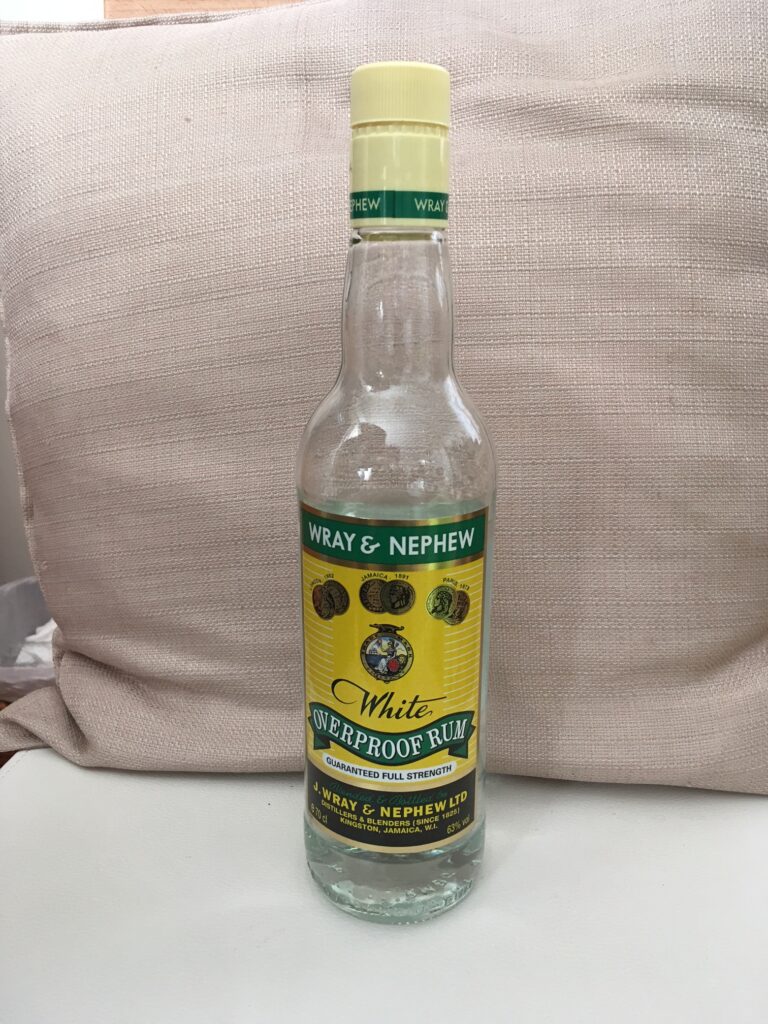
Rum presented at elevated bottling strength, potentially increasing aromatic concentration, warmth and persistence. It may be unaged and vividly fruity, aged and oak-rich, or comparatively restrained. High proof is a strength distinction, not a guarantee of heavy fermentation character, sweetness or superior quality.
Color
Maturation
Alcohol
Sweetness
Balance
History
Overproof Rum describes strength across several traditions rather than one place of invention. Wray & Nephew’s history, beginning with its Jamaican business in 1825, provides context for one influential modern expression and its wider cultural reach. A company founding date is not automatically the launch date of its present overproof bottling. The sources reviewed therefore support a producer lineage, but not a universal birth date for overproof rum. Wray & Nephew: company history.
Classic characteristics
Appearance
Colourless through deep amber; strength provides no dependable indication of age or colour.
Aroma
Medium to pronounced, sometimes initially alcohol-masked; fruit, cane, fermentation and oak depend on the base.
Flavor
Concentrated flavour with substantial warmth; assess again after controlled dilution to distinguish intensity from imbalance.
Sweetness
Dry to sweet in impression; high alcohol and ripe-fruit aromas can complicate sweetness assessment.
Mouthfeel
Often firm, oily or full, although highly rectified bases may remain relatively light.
Finish
Commonly medium to long; flavour should persist alongside warmth rather than vanish into burning sensation.
Flavor Profile Deep Dive
Record strength and use controlled dilution; high proof does not imply a particular ester level or cask history. Investigate persistent unpleasant solvent-like, stale or sulfurous character in context. Do not diagnose a specific production error from one aroma; appropriate fermentation character and proof-related warmth are not automatic faults.
Service notes
Compare neat aroma with a measured diluted sample, keeping notes separate. Avoid assessing quality solely by tolerance of undiluted alcohol. In recipes, account for the actual strength rather than substituting equal volumes automatically. Staff should explain the flavour and strength together, without presenting heat as a virtue in itself or using historical ignition demonstrations as a tasting method.
Style parameters
| Parameter | Boundary or expectation |
|---|---|
| Base material | Sugarcane juice, syrup, molasses or other cane-derived material; identify product |
| Bottled strength | ADI at least 57% ABV; record the exact bottle strength and any tasting dilution. |
| United States: bottled ABV | at least 40%; Ordinary rum/cachaça identity; origin requirements remain applicable. |
| Color and clarity | Colourless through deep amber; strength provides no dependable indication of age or colour. |
| Maturation | Optional; overproof does not imply cask strength, barrel ageing or an age statement. |
| Additions | Governed by origin and legal identity; elevated proof does not establish an additive-free formulation. |
Legal limits apply only to the named jurisdiction and identity. ADI entry conditions and typical sensory expectations are separate; a product example is not a universal range.
Cocktail connections
Style comparison
This entry overlaps pot, column and blended rum categories. Cask strength describes a relationship to maturation and bottling treatment, whereas overproof describes strength; the terms are not synonyms. Jamaican high-aroma white examples are important references but do not define the whole category. An aged, comparatively restrained rum can qualify equally well.
Ingredients
Sugarcane juice, syrup, molasses or other cane-derived material; identify product
Production notes
ADI sets the boundary at 57% ABV or in the shared references. The underlying rum can come from different cane materials, still types and origins, with or without maturation. “Overproof” has historical and market-specific uses, so this guide applies ADI's explicit threshold instead of importing every commercial usage. A bottle below that threshold may be marketed as strong rum yet fall outside this particular competition entry.
Commercial examples
No newly verified benchmark is designated in this revision. The original example discussion below remains a research lead, with its original qualifications.
Retained example and source context. Hampden Rum Fire and its importer specification, 63%, illustrate one aromatic white branch. ADI scope: S093.
Photo credit
Wray & Nephew overproof rum. Photo: ZeugeDerNacht. / Wikimedia Commons. CC BY-SA 4.0. Display resized; no other edits.

Keep exploring
- 27 CFR 5.147 — evidence reviewed 2026-09-17.