
Blanco Tequila
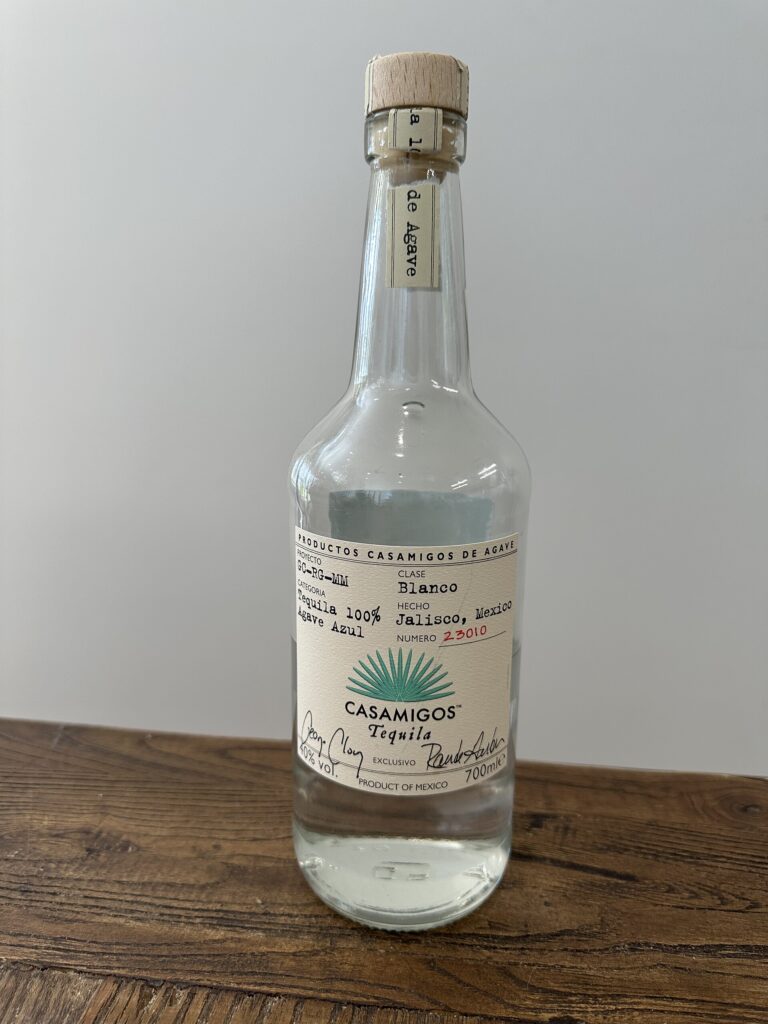
A clear, direct tequila presentation with little or no sustained wood influence. ADI's unqualified entry accommodates discussion of the general class, including products whose fermentation uses permitted sugars in addition to agave.
Color
Maturation
Alcohol
Sweetness
Balance
History
Blanco represents tequila before extended wood maturation and shares the history of agave distilling in the Tequila region. UNESCO connects that tradition to the sixteenth century, while distinguishing it from much older Indigenous uses of agave. Ancient agave cultivation and fermented beverages should not be presented as evidence of equally ancient distilled blanco tequila. UNESCO: Agave Landscape and Ancient Industrial Facilities of Tequila.
Classic characteristics
Appearance
Usually transparent and colourless.
Aroma
Light to pronounced; subtle through assertive agave, sometimes fresh herbal notes.
Flavor
Light to pronounced; agave expression may be restrained or prominent.
Sweetness
Generally dry to sweet-seeming; raw fermentation sugar is not finished-drink sweetness.
Mouthfeel
Often light or rounded, with a warm finish; assess the bottle.
Finish
Short through long; no necessary duration distinguishes sugar categories.
Flavor Profile Deep Dive
Assess the actual blanco's agave expression; mixed fermentation is not a predetermined sensory defect. Investigate persistent unpleasant solvent-like, stale or sulfurous character in context. Do not diagnose a specific production error from one aroma; appropriate fermentation character and proof-related warmth are not automatic faults.
Service notes
Compare a documented mixed-sugar blanco and a 100% agave blanco blind, then reveal their specifications. Ask whether the participants' sensory conclusions actually support their earlier assumptions. This is a useful exercise in separating product knowledge from prestige bias. For a guest choosing a mixed drink, describe the bottle's intensity and finish rather than reducing the decision to a percentage claim. Test whether its agave character remains noticeable once the recipe's dilution, citrus and sweetener are introduced.
Style parameters
| Parameter | Boundary or expectation |
|---|---|
| Base material | Agave tequilana Weber var. azul; verify declared fermentation category |
| Bottled strength | Mexico 35–55% ABV; ordinary U.S. tequila at least 40%; Especial Silver is documented at 40%. |
| Mexico: bottled ABV | at least 35% and at most 55%; Tequila; verify raw-material category and certified class. |
| United States: bottled ABV | at least 40%; Ordinary tequila; Mexican rules also apply. |
| Color and clarity | Usually transparent and colourless. |
| Maturation | blanco (no required wood age; any oak maturation under two months); a clear appearance alone does not fully describe production. |
| Additions | Ordinary blanco's restriction applies; check separately labelled variants. |
Legal limits apply only to the named jurisdiction and identity. ADI entry conditions and typical sensory expectations are separate; a product example is not a universal range.
Cocktail connections
Style comparison
Compared with S003, this entry has broader categorical scope. A restrained mixed-sugar example may show less obvious agave, but that is a product observation, not an enforceable sensory rule. Compared with Gold, a blanco does not acquire its identity from the golden presentation or blending treatment associated with joven/oro (the shared blending or permitted mellowing class). Cristalino offers another clear-looking but production-distinct comparison.
Ingredients
Agave tequilana Weber var. azul; verify declared fermentation category
Production notes
blanco (no required wood age; any oak maturation under two months) applies. Determine the fermentation category from documentation; do not assume the omission of “100%” in a competition heading defines every entrant. A mixed fermentation is also different from diluting finished tequila with unrelated spirit. That distinction matters when explaining the product accurately to guests.
Commercial examples
No newly verified benchmark is designated in this revision. The original example discussion below remains a research lead, with its original qualifications.
Retained example and source context. Cuervo Especial Silver illustrates restrained agave character; Cuervo's production explanation identifies the brand's fermentation-sugar distinction. Legal parameters: shared tequila rules.
Photo credit
Casamigos Blanco tequila. Photo: Indrajit Das / Wikimedia Commons. CC BY-SA 4.0. Display resized; no other edits.

Keep exploring
- NOM-006-SCFI-2012 — evidence reviewed 2026-09-18.
- 27 CFR 5.148 — evidence reviewed 2026-09-17.