Black Flannel Academy

Fruit Lambic

Fruit ยท pale-color ยท Sour ยท standard-strength ยท Traditional style ยท western-europe ยท wheat-beer-family ยท wild-fermented
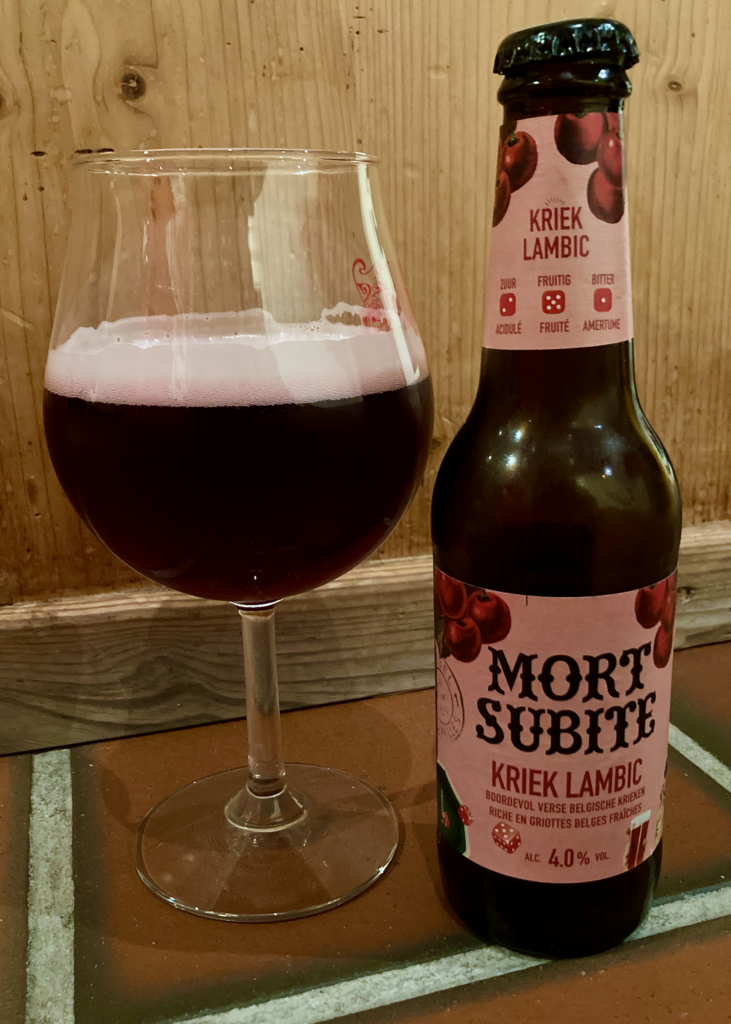
Mort Subite Kriek Lambic
Pictured: Mort Subite Kriek Lambic. Photo: Squirrelforest / Wikimedia Commons ยท CC BY-SA 4.0. Display crops and resized versions are available under the same license.

Fruit Lambics are spontaneously fermented beers from the Lambic region of Belgium that have been aged with whole fruits. The most common examples are Kriek (cherry) and Framboise (raspberry), though other fruits have been used. The fruit additions provide acidity, flavor complexity, and natural color. These beers combine the dry, funky character of base lambic with the tart, fruity qualities of the added fruit.

Color

3 – 7 SRM

Bitterness

0 – 10 IBU

Alcohol

5.0 – 7.0% ABV

Sweetness

Dry, complex, layered profile.

Balance

History

Historical Development

Fruit additions to beer have ancient roots. The Sumerians added dates to beer, Egypt used oranges, and in Turkey, grapes were allegedly added to beer for King Midas. However, the modern Fruit Lambic tradition specifically developed in Belgium where spontaneously fermented lambics provided the perfect base for fruit aging.

Kriek Tradition (Cherry Lambic)

The most iconic Fruit Lambic is Kriek, traditionally made with small, dark, acidic Morello cherries. These cherries are harvested in July and added to fermenting lambic. The beer is then aged on the cherries for a minimum of six weeks, though quality examples often age much longer. The cherry pits, wood, and flesh all contribute to the final character.

Framboise Tradition (Raspberry Lambic)

Framboise uses raspberries, typically added to aged lambic rather than fermenting lambic. The shorter contact time compared to Kriek reflects the different character of raspberries and their more delicate flavor.

Modern Evolution

American breweries have adopted the fruit lambic concept using coolships (traditional shallow cooling vessels for spontaneous fermentation) and various local fruits. Portland, Oregon's craft breweries particularly embraced this style, creating unique regional variations.

Commercial Traditions

Historical Belgian producers include Boon, Cantillon, De Cam, Drie Fonteinen, and Hansselsโ€”breweries dedicated to preserving lambic traditions while experimenting with fruit additions.

Classic characteristics

Appearance

Color varies dramatically based on fruit used. Kriek ranges from medium to deep red. Framboise appears pink to deep red. Clarity varies from clear to slightly hazy due to fruit particulates. Head is typically low and pink/reddish.

Aroma

Prominent fruit aroma (cherry, raspberry, or other fruits) dominates. Sour, acidic notes from fermentation. Subtle funky wild yeast and brett character underlying the fruit.

Flavor

The fruit provides primary flavor alongside sour, acidic character from spontaneous fermentation. Dry, complex, layered profile. No residual sweetness despite fruit additions. The interaction of fruit tannins with wild fermentation creates complexity.

Mouthfeel

  • ABV: 5.0-7.0%
  • Body: Light to medium
  • Carbonation: Medium (from bottle conditioning)
  • Finish: Dry, sour, refreshing

Flavor Profile Deep Dive

Primary Flavors

Fruit character dominates: cherry, raspberry, or other fruits depending on variety. Dry, acidic, sour notes from spontaneous fermentation and wild bacteria.

Secondary Flavors

Subtle funky, earthy, vineyard-like characters from wild yeasts (Brettanomyces). Tannins from fruit pits and skins contribute complexity and slight astringency.

Aftertaste

Long, dry, sour finish with lingering fruit character. No sweetness. Very refreshing and complex.

Service notes

Serve at cool cellar temperature (50-55ยฐF) in a wine glass or specialty Belgian glass to showcase aroma and complexity. An aperitif or dessert beer rather than a session beer.

BJCP designation

Overall Impression: A complex, fruity, pleasantly sour, wild wheat ale fermented by a variety of Belgian microbiota, and showcasing the fruit contributions blended with the wild character. The type of fruit can sometimes be hard to identify as fermented and aged fruit characteristics can seem different from the more recognizable fresh fruit aromas and flavors.

Aroma: The specified fruit should be the dominant aroma. A low to moderately sour character blends with aromas described as barnyard, earthy, goaty, hay, horsey, and horse blanket (and thus should be recognizable as a lambic). The fruit aroma commonly blends well with the other aromas. An enteric, smoky, cigar-like, or cheesy aroma is unfavorable. No hop aroma.

Appearance: The variety of fruit generally determines the color, although lighter-colored fruit may have little effect on the color. The color intensity may fade with age. Clarity is often good, although some fruit will not drop bright. A thick rocky, mousse-like head, sometimes a shade of fruit, is generally long-lasting (carbonation-dependent). Carbonation is typically high, but must be specified.

Flavor: The specified fruit should be evident. Low to moderately sour flavor, often with an acidic bite in the finish. The classic barnyard characteristics may be low to high. When young, the beer will present its full fruity taste. As it ages, the lambic taste will become dominant at the expense of the fruit character – thus fruit lambics are not intended for long aging. The finish is commonly dry and tart, but a low, complementary sweetness may be present; higher sweetness levels are not traditional but can be included for personal preference (sweetness level must be specified). A mild vanilla and/or oak flavor is occasionally noticeable. An enteric, smoky or cigar-like character is undesirable. Hop bitterness is generally absent; acidity provides the balance. No hop flavor.

Mouthfeel: Light to medium-light body. In spite of the low finishing gravity, the many mouth-filling flavors prevent the beer from tasting like water. Has a low to high tart, puckering quality without being sharply astringent. Some versions have a light warming character. Carbonation can vary from sparkling to nearly still (must be specified).

Comments: Fruit-based lambics are often produced like gueuze by mixing one, two, and three-year old lambic. "Young" lambic contains fermentable sugars while old lambic has the characteristic "wild" taste of the Senne River valley. Fruit is commonly added halfway through aging and the yeast and bacteria will ferment all sugars from the fruit. Fruit may also be added to unblended lambic. The most traditional styles of fruit lambics include kriek (cherries), framboise (raspberries) and druivenlambik (muscat grapes). IBUs are approximate since aged hops are used; Belgians use hops for anti-bacterial properties more than bittering in lambics.

History: Spontaneously fermented wild ales from the area in and around Brussels (the Senne Valley) stem from a farmhouse brewing and blending tradition several centuries old. The number of producers is constantly dwindling and some are untraditionally sweetening their products (post-fermentation) with sugar or sweet fruit to make them more palatable to a wider audience. Fruit was traditionally added to lambic or gueuze, either by the blender or publican, to increase the variety of beers available in local cafes.

Characteristic Ingredients: Unmalted wheat (30-40%), Pilsner malt and aged hops (3 years) are used. The aged hops are used more for preservative effects than bitterness, and makes actual bitterness levels difficult to estimate. Traditional products use 10-30% fruit (25%, if cherry). Fruits traditionally used include tart cherries (with pits), raspberries or Muscat grapes. More recent examples include peaches, apricots or merlot grapes. Tart or acidic fruit is traditionally used as its purpose is not to sweeten the beer but to add a new dimension. Traditionally these beers are spontaneously fermented with naturally occurring yeast and bacteria in predominately oaken barrels. The barrels used are old and have little oak character, so don't expect a fresh or forward oak character – more neutral is typical. Home-brewed and craft-brewed versions are more typically made with pure cultures of yeast commonly including Saccharomyces, Brettanomyces, Pediococcus and Lactobacillus in an attempt to recreate the effects of the dominant microbiota of Brussels and the surrounding countryside of the Senne River valley. Cultures taken from bottles are sometimes used but there is no simple way of knowing what organisms are still viable.

Style Comparison: A lambic with fruit, not just a fruit beer; the wild lambic character must be evident. Entry Instructions: The type of fruit used must be specified. The brewer must declare a carbonation level (low, medium, high) and a sweetness level (low/none, medium, high).

Vital Statistics: OG: 1.040 – 1.060 IBUs: 0 – 10 FG: 1.000 – 1.010 SRM: 3 – 7 (varies w/ fruit) ABV: 5.0 – 7.0%

Commercial Examples: Boon Framboise Marriage Parfait, Boon Kriek Mariage Parfait, Boon Oude Kriek, Cantillon Fou' Foune, Cantillon Kriek, Cantillon Lou Pepe Kriek, Cantillon Lou Pepe Framboise, Cantillon Rose de Gambrinus, Cantillon St. Lamvinus, Cantillon Vigneronne, De Cam Oude Kriek, Drie Fonteinen Kriek, Girardin Kriek, Hanssens Oude Kriek, Oud Beersel Kriek, Mort Subite Kriek

Brewers Association designation

  • Belgian-Style Fruit Lambic
    • Color: Often influenced by the color of added fruit
    • Clarity: Cloudiness is acceptable
    • Perceived Malt Aroma & Flavor: Malt sweetness should be absent, but sweetness of fruit may be low to high.
    • Perceived Hop Aroma & Flavor: Hop aroma and flavor is not present. Cheesy hop character should not be present.
    • Perceived Bitterness: Very low
    • Fermentation Characteristics: Characteristic horsey, goaty, leathery and phenolic aromas and flavors derived from Brettanomyces yeast are often present at moderate levels. Fermented sourness is an important part of the flavor profile, though sweetness may compromise the intensity. Fruit sourness may also be an important part of the profile. These flavored Lambic beers may be very dry or mildly sweet. Vanillin and other woody flavors should not be present.
    • Body: Dry to full
    • Additional notes: These beers, also known by the names Framboise, Kriek, Peche, Cassis, etc., are characterized by fruit aromas and flavors. Fruit Lambics, whose origin is the Brussels area of Belgium, are often simply called Fruit Lambic. Versions of this beer style made outside of the Brussels area are said to be "Belgian-Style Fruit Lambics." The Belgian-style versions are made to resemble many of the beers of true origin. Historically, traditional Lambics are dry and completely attenuated, exhibiting no residual sweetness either from malt, sugar, fruit or other sweeteners. Some versions often have a degree of sweetness contributed by fruit sugars, other sugars or other sweeteners. See also Belgian-Style Lambic for additional background information. Such beers exhibiting wood-derived attributes should be categorized in other Wood-Aged categories.
  • Original Gravity (ยฐPlato) 1.040-1.072(10-17.5 ยฐPlato) – Apparent Extract/Final Gravity (ยฐPlato) 1.008-1.016(2.1-4.1 ยฐPlato) – Alcohol by Weight (Volume) 4.0%-7.0%(5.0%-8.9%) – Bitterness (IBU) 15-21 – Color SRM (EBC) Color takes on hue of fruit(Color takes on hue of fruit EBC)

Style comparison

Parent Categories

  • Lambic (23D) – base beer without fruit
  • Gueuze (23E) – blended lambic without fruit

Variant Styles

  • Fruit Lambic variations (different fruits)
  • American Wild Ales using similar techniques

Historical Context

  • Traditional Belgian Lambic family

Ingredients

Grain Bill

Traditional lambic grain bill: Belgian pale malt (65-75%), unmalted wheat (25-35%), small amounts of roasted malt (1-2%). Aged hops (3+ years) for preservative character without bittering.

Brewing process

Base Beer Process

Spontaneous fermentation using wild yeasts and bacteria in the Lambic region's air and wooden vessels. Coolships for cooling, open fermentation in wooden barrels.

Fruit Additions

Traditional Kriek: Small dark Morello cherries, whole with pits, added to fermenting lambic in a 1:1 or 1:2 ratio. Fermentation continues on the fruit.

Framboise: Raspberries added to aged lambic, typically in smaller quantities than Kriek.

Other fruits: Any fruit may theoretically be used, though cherries and raspberries remain traditional.

Aging

Kriek: Minimum 6 weeks on fruit, often much longer (months to years). Complex interplay between fruit character and wild fermentation.

Packaging

Bottle conditioning without filtration or pasteurization maintains live character.

Food pairings

At the Pub: Dutch Baby Brunch: Belgian Waffles with fresh whipped cream and candied strawberries Cheese pairing: Triple Cream Brie

Cheese

Soft cheeses, goat cheese, mild blues

Meat & Seafood

Lighter fare, salads, light fish, fruit-based preparations

Desserts

Fruit tarts, berry desserts, chocolate with berries, cheesecake

Spirit pairings

Dutch Soul

The soundtrack

New: Prince, Purple Rain Old: Mozart, Le nozze di Figaro

Keep exploring

  • BJCP Guidelines: 23F (Fruit Lambic)
  • Beer Judge Certification Program: BJCP Official Guidelines
  • Brewer's Association: BA Beer Style Guidelines
  • Lambic Region Traditions: Belgian breweries preserving spontaneous fermentation methods
  • Wild Fermentation: Understanding Brett and spontaneous fermentation in modern brewing

Commercial Examples

Kriek Examples: Boon Kriek, Cantillon Kriek, De Cam Kriek, Drie Fonteinen Kriek, Hanssels Kriek

Framboise Examples: Boon Framboise, Cantillon Framboise, Drie Fonteinen Framboise

American Examples: De Garde Brewery (Oregon), Russian River Brewing, Jolly Pumpkin Artisan Ales

Return to all beer styles

Scroll to Top