
100% Agave Cristalino Tequila
A clear or nearly clear tequila that retains some character associated with maturation. The contrast between appearance and flavour is its most useful distinguishing feature for staff education.
Color
Maturation
Alcohol
Sweetness
Balance
History
Cristalino’s modern commercial history is well illustrated by Maestro Dobel’s U.S. launch announcement in August 2008. The producer promoted a clear-looking tequila assembled from matured components, making the contrast between maturation and appearance central to the product. This is a documented early commercial milestone, rather than proof that every clarified aged tequila descends from one invention. Maestro Dobel: contemporary August 2008 launch announcement.
Classic characteristics
Appearance
Colourless to faintly tinted, usually transparent.
Aroma
Variable intensity; agave, vanilla, spice or nut-like notes may remain.
Flavor
Light through pronounced; retained barrel associations can contrast with the clear appearance.
Sweetness
Dry to sweet-seeming; filtration is not evidence of sugar content.
Mouthfeel
Often presented as rounded; examine actual weight, warmth and any drying sensation.
Finish
Short through long; no reliable duration follows from the style name.
Flavor Profile Deep Dive
Assess retained maturation character independently of color; do not score a filtered aged spirit as though it must taste like blanco. Investigate persistent unpleasant solvent-like, stale or sulfurous character in context. Do not diagnose a specific production error from one aroma; appropriate fermentation character and proof-related warmth are not automatic faults.
Service notes
Present a blanco and cristalino blind in identical glasses. Have staff record appearance before smelling, then discuss whether that first observation shaped their expectations. Reveal the production information afterward. The exercise teaches why a confident story about age cannot be built from colour alone. A concise guest explanation is “aged tequila filtered clear”; add the specific underlying class when documented. Let the guest choose neat or mixed service rather than treating the unusual appearance as a prescribed occasion.
Style parameters
Legal limits apply only to the named jurisdiction and identity. ADI entry conditions and typical sensory expectations are separate; a product example is not a universal range.
Cocktail connections
Browse published cocktails. Documented recipes, conditional style choices and development substitutions are labeled separately.
No established classic or recognized modern cocktail match was found for this specific style in the sources reviewed. This records a research gap, not proof that no cocktail exists. No neighboring style has been substituted to fill the space.
Style comparison
Unlike blanco, a cristalino may have a substantial wood history despite minimal visible colour. Unlike an unfiltered añejo, it has undergone a process intended to change its presentation. These comparisons should not become claims that filtration necessarily improves or damages quality: the glass supplies the evidence for that judgment.
Related styles: 100% Agave Blanco Tequila · 100% Agave Añejo Tequila.
Ingredients
100% Agave tequilana Weber var. azul fermentable sugars
Production notes
This commercial style combines the 100% agave category with colour-reducing filtration of aged tequila or a blend containing aged tequila. Record the certified underlying class and producer's process. “Cristalino” alone does not establish a universal maturation period, blend composition, filtration medium or degree of flavour retention.
Commercial examples
No newly verified benchmark is designated in this revision. The original example discussion below remains a research lead, with its original qualifications.
Retained example and source context. Dobel Diamante Cristalino documents a filtered blend, oak-associated aromas and clear presentation. Legal context: shared tequila rules.
Photo credit
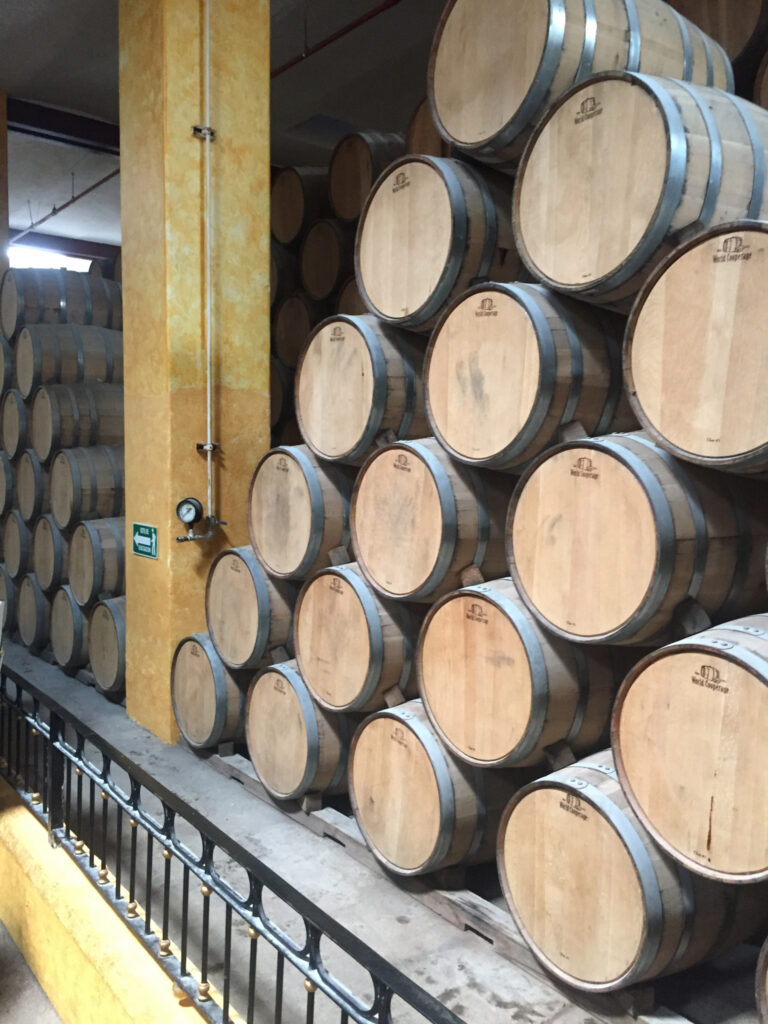
Ingredient or production reference: Tequila aging barrels in Jalisco; maturation precedes the filtration used for cristalino. This photograph illustrates the raw material or process, not a bottle of this specific style. Photo: Javier Salazar Villagomez / Wikimedia Commons. CC BY-SA 4.0. Display resized; no other edits.

Keep exploring
- NOM-006-SCFI-2012 — evidence reviewed 2026-09-18.
- 27 CFR 5.148 — evidence reviewed 2026-09-17.