Black Flannel Academy

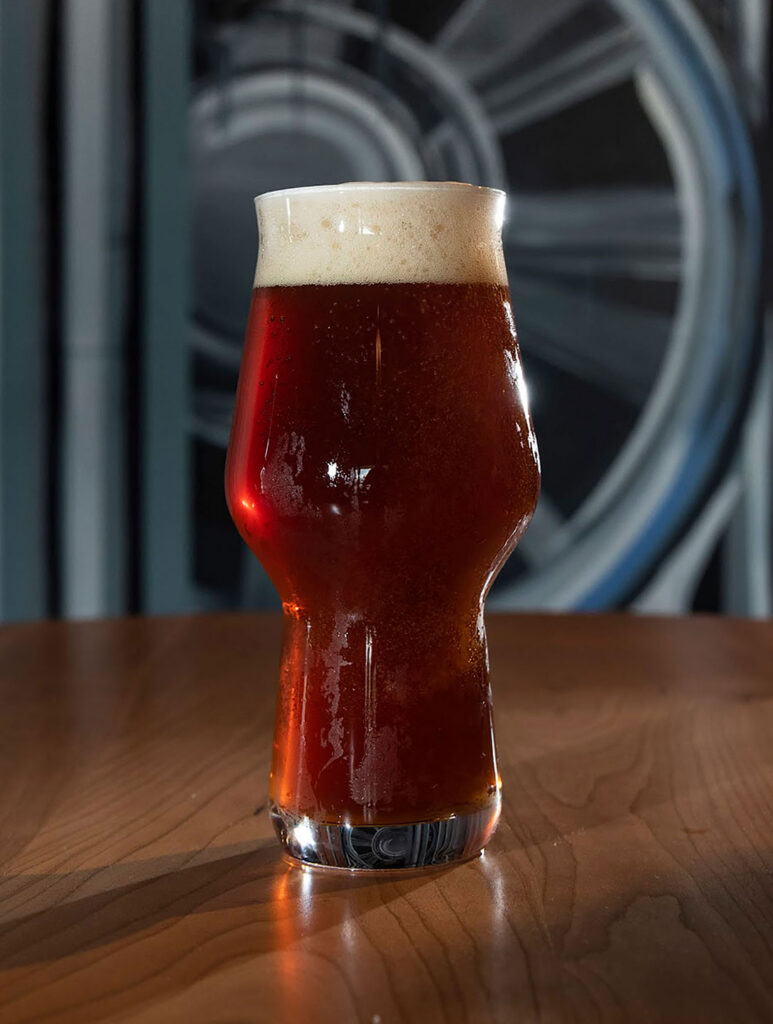
Vermont Common Ale

amber-color · balanced · historical-style · north-america · standard-strength · top-fermented

Black Flannel house style.

An easy-drinking, light brown beer with light expressions of caramel and rye spice balanced subtly by a blend of American and European hops. Created through a modern collaboration between brewery and distillery using the same grain source through a parti-gyle process.

Color

11 – 20 SRM

Bitterness

15 – 30 IBU

Alcohol

4.0 – 5.5% ABV

Sweetness

Grainy sweetness dominates initially, followed by subtle caramel notes from character malts.

Balance

Balanced between malt and hop character.

History

Historical Development

The Vermont Common represents a modern revival and innovative reinterpretation of historical Common Ales, one of the oldest beer categories in human brewing history. Common Ales have been brewed in every part of the world for as long as beer has existed, though they haven't all been labeled "commons." In essence, they are easy-drinking and relatively low-ABV beers made with local ingredients and meant to be consumed in quantity. In England, when brewers made these small "running" beers, they did so by reusing malt from a larger brew to get the most out of the ingredients they had on hand, a system called parti-gyle.

Geographic Origin

While Common Ales originated in England and throughout Europe, the Vermont Common is a distinctly American and Vermont-specific creation. Black Flannel Brewing developed this style as an expression of their commitment to supporting local craftspeople, local agriculture, and resourceful brewing practices that have roots in historical tradition.

Modern Evolution

The Vermont Common was born from collaboration between brewing and distilling teams at Black Flannel. After mashing in with locally sourced grain from Peterson Quality Malts, the high-gravity first runnings are transferred to distillery fermenters for the Vermont Common Whiskey (aged in new Vermont oak cooperage). The second runnings are boiled with hops to produce this beer. This parti-gyle process represents both historical reverence and modern sustainability consciousness, creating complementary beverages from the same grain source. The result is a smooth, balanced beer with a touch of residual sweetness, caramel and baking spices from the shared grain, and a peppery hop character on the finish.

Classic characteristics

Appearance

Light brown in color, typically clear with a modest white head. Golden amber tones may be visible when held to light, reflecting the blend of base malt and roasted character malts.

Aroma

Grainy, corny sweetness with light expressions of spice from the rye component. Peppery hop character present at low to moderate levels. Minimal roast character. Clean, yeasty fermentation profile.

Flavor

Balanced between malt and hop character. Grainy sweetness dominates initially, followed by subtle caramel notes from character malts. The rye component contributes spicy, peppery notes. American or European hop bitterness is present but restrained, with herbal or spicy hop flavor in the finish.

Mouthfeel

Medium body with smooth, clean mouthfeel. Moderate carbonation. Smooth, dry finish with no harsh or astringent qualities. Low to moderate alcohol warmth appropriate to the ABV.

Flavor Profile Deep Dive

Primary Flavors

Grainy maltiness with subtle caramel character from malt selection. Rye spice and peppery hop character provide complexity. Smooth, clean fermentation profile allows grain and hop flavors to shine.

Secondary Flavors

Corn sweetness from the grain bill adjunct. Light biscuity or toasty notes from roasted character malts. Herbal or spicy hop flavor lingering into finish. Very low to absent fruity esters.

Aftertaste

Clean, dry finish with lingering peppery hop character and subtle spice from rye. No lingering sweetness or harshness. Moderate bitterness perception balancing the grain-forward malt profile. Crisp, refreshing quality.

Service notes

Serve fresh in a standard pint glass at 38-42°F. Excellent with pub-style food, particularly burgers and barbecue. Pairs exceptionally well with the Vermont Common Whiskey from the same grain source, or with other American whiskeys for food pairing combinations.

BJCP designation

Brewers Association designation

Style comparison

Parent Categories

  • American Historical Ales (19C)
  • Kentucky Common (19C) – the historical inspiration
  • Cream Ale (1D) – similar in some characteristics

Variant Styles

  • Kentucky Common – the historical predecessor
  • American Common Ales – various historical interpretations
  • Early American Ales

Similar Styles

  • English Brown Ale (13A) – darker, less spicy
  • Irish Red Ale (15A) – more malt-focused, different character
  • Amber Ales (19B) – lighter and hoppier

Ingredients

Grain Bill

Two-row brewers malt as base, flaked corn to add fermentability and lightness, small percentage of roasted or caramel malts for color and subtle toasty character, and rye for spicy contributions and body.

Yeast

Clean, American ale yeast that produces neutral fermentation profile without significant fruity esters. Ferment at moderate temperatures (around 68°F) for clean character.

Water Profile

Clean, soft to moderately hard water. Vermont water profiles with moderate minerals work well. No specific mineral targeting required.

Brewing process

Mash Profile

Single infusion mash at moderate temperatures (around 150-152°F) for moderate fermentability and balanced body. Ensure proper conversion of all grain types.

Hopping Strategy

Moderate hopping rates with restrained bittering additions early in the boil. American or European hops used for both bittering and flavor. Final additions for aroma are optional but recommended.

Fermentation

Ferment with clean American ale yeast at moderate temperatures to maintain neutral character. Plan for moderate attenuation given the corn and rye adjuncts.

Aging & Conditioning

Serve fresh. No extended aging required, though the beer may age gracefully for a year or more in proper storage conditions.

Food pairings

At the Pub: Smash burger and fries

Takeout: Barbecue

Brunch: Fried chicken, waffles, and bourbon aged maple syrup

Cheese

Aged cheddar, smoked gouda, Gruyère, simple American cheeses

Meat & Seafood

Smash burgers and fries, barbecue, pub-style sandwiches, grilled sausages

Brunch

Fried chicken, waffles, bourbon-aged maple syrup

Casual & Pub Food

Traditional American pub fare, burgers, fries, comfort foods

Spirit pairings

Vermont Common Whiskey

The soundtrack

New: Nico Muhly, A Hudson Cycle

Also New: Grace Potter and the Noctornals

Keep exploring

  • Beer Judge Certification Program: BJCP Official Guidelines
  • Brewer's Association: BA Beer Style Guidelines
  • Parti-Gyle Brewing: Historical and modern applications of multi-product grain usage
  • Black Flannel Brewing: Vermont Common Whiskey collaboration

Commercial Examples

Black Flannel Vermont Common (collaboration with Vermont Common Whiskey), revived historical examples of Kentucky Common (the style’s inspiration), Apocalypse Brew Works Ortel’s 1912

Beer Cocktail Recipe

4 ounces Vermont Common

1.5 ounces Vermont Common Whiskey (or other American whiskey)

1.5 ounces maple syrup

1.5 ounces coke

Cinnamon stick and whole nutmeg for garnish

Directions:

Pour brown ale into a high ball glass. Add rye, maple syrup, and coke to a cocktail shaker with ice and shake vigorously to chill. Strain into the beer, then garnish with cinnamon stick and freshly grated nutmeg.

Return to all beer styles

Scroll to Top