Commercial Examples
Arcadia Sky High Rye, Bear Republic Hop Rod Rye, Black Flannel Brewing Rojo Amarillo, Founders Reds Rye, Great Lakes Rye of the Tiger, Sierra Nevada Ruthless Rye

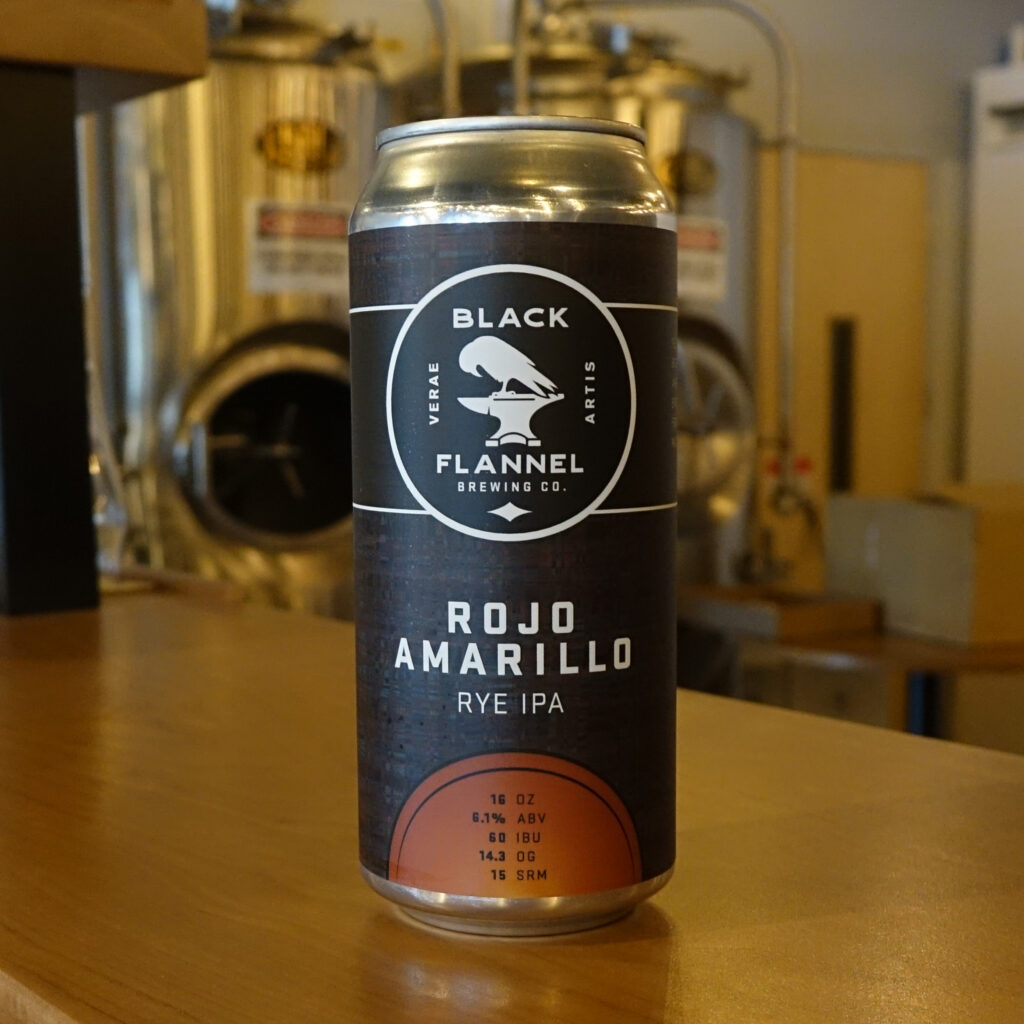
A hop focused, bitter American ale with moderately high alcohol and complex spicy malt notes from rye additions.
Another variation on the theme of "hoppy beer" during the craft boom of the early 2000s was the addition of rye grain to the malt bill to add additional complexity to IPAs. It's still often found in midwestern brewhouses more often than other regions, perhaps because many midwestern states have traditionally grown it.
Rye (secale cereale) is thought to have coevolved as a weed in barley and wheat fields before it was ever cultivated purposefully. This is likely because its characteristics make it difficult to use as the sole grain in either bread or beer, and therefore it was thought to be inferior for several thousand years.
In beer, the most important practical difference between rye and barley is that rye lacks the hull that barley grains have, making it significantly more difficult to use in the brewhouse. Hulls of barley kernels act as a filter bed for wort after grains have been mashed, and without them brewers would have a much more difficult time separating the wort from the grain.
Rye IPAs developed in the United States, particularly popular in Midwestern states that traditionally grow rye.
Craft brewers adopted rye malt to add complexity and variety to their IPAs. Rye IPAs, RyePAs or RIPAs have found a place in many craft breweries' seasonal rotations.
Gold to light amber, potentially with slight haze. Medium-sized, white to offwhite head with good persistence.
Assertively hop forward with citrus, pine, resin, sometimes fruity characteristics from American or New World hops. Spicy, bready malt backbone with low peppery rye malt aroma.
Medium to high bitterness with medium malt sweetness. Hop flavor is medium to very high reflecting American or New World hop character. A light grainy spiciness from rye malt should be present. Clean, hoppy finish enhanced by rye's dryness.
Aggressive hop bitterness with citrus, pine, and resinous notes balanced by spicy rye character. Dry finish enhanced by rye's unique properties.
Subtle stone fruit and berry notes from hops. Light grainy spiciness from rye malt adds complexity and perceived dryness.
The bitterness, hop flavor and dryness may linger into the aftertaste but should not be harsh. Clean finish with spicy rye character lingering.
Serve fresh in a pint glass at 38°F. Best enjoyed fresh to capture hop character.
Overall Impression: A decidedly hoppy and bitter, moderately strong American pale ale, showcasing modern American and New World hop varieties and rye malt. The balance is hop-forward, with a clean fermentation profile, dry finish, and clean, supporting malt allowing a creative range of hop character to shine through.
Aroma: A prominent to intense hop aroma featuring one or more characteristics of American or New World hops, such as citrus, floral, pine, resinous, spicy, tropical fruit, stone fruit, berry, melon, etc. Many versions are dry hopped and can have an additional fresh hop aroma; this is desirable but not required. Grassiness should be minimal, if present. It may have low peppery rye malt aroma. A low to medium-low clean grainy-malty aroma may be found in the background. Fruitiness from yeast may also be detected in some versions, although a neutral fermentation character is also acceptable. A restrained alcohol note may be present, but this character should be minimal at best. Any American or New World hop character is acceptable; new hop varieties continue to be released and should not constrain this style.
Appearance: Color ranges from medium gold to light reddish-amber. Should be clear, although unfiltered dryhopped versions may be a bit hazy. Medium-sized, white to offwhite head with good persistence.
Flavor: Hop flavor is medium to very high, and should reflect an American or New World hop character, such as citrus, floral, pine, resinous, spicy, tropical fruit, stone fruit, berry, melon, etc. Medium-high to very high hop bitterness. Malt flavor should be low to medium-low, and is generally clean and grainy-malty although some light caramel or toasty flavors are acceptable. A light grainy spiciness from rye malt should be present. Low yeast-derived fruitiness is acceptable but not required. Rye malt contributes to a dry finish; residual sweetness should be low to none. The bitterness, hop flavor and dryness may linger into the aftertaste but should not be harsh. A very light, clean alcohol flavor may be noted in stronger versions.
Mouthfeel: Medium-light to medium body, with a smooth texture. Medium to medium-high carbonation. No harsh hopderived astringency. Very light, smooth alcohol warming not a fault if it does not intrude into overall balance.
Comments: A modern American craft beer variation of American IPA. Rye malt character should be noticeable, otherwise enter in American IPA. Oak is inappropriate in this style; if noticeably oaked, enter in wood-aged category.
History: Looking to add complexity and variety to their IPAs, craft brewers and homebrewers substituted rye malt for a portion of their base malt. Rye IPAs, RyePAs or RIPAs have found a place in many craft breweries seasonal rotations.
Characteristic Ingredients: Pale ale or 2-row brewers malt as the base, 15-20% Rye malt, American or New World hops, American or English yeast with a clean or slightly fruity profile. Generally all-malt, but mashed at lower temperatures for high attenuation. Sugar additions to aid attenuation are acceptable. Water character varies from soft to moderately sulfate. Restrained use of crystal malts, if any, as high amounts can lead to a sweet finish and clash with the hop character.
Style Comparison: Drier and slightly spicier than an American IPA. Bitterness and spiciness from rye lingers longer than an American IPA. Does not have the intense rye malt character of a Roggenbier. Some examples are stronger like a Double IPA.
Vital Statistics: OG: 1.056 – 1.075 IBUs: 50 – 75 FG: 1.008 – 1.014 SRM: 6 – 14 ABV: 5.5 – 8.0%
Commercial Examples: Arcadia Sky High Rye, Bear Republic Hop Rod Rye, Founders Reds Rye, Great Lakes Rye of the Tiger, Sierra Nevada Ruthless Rye
Two-row brewers malt (base), 15-20% rye malt, American or New World hops, American or English yeast with clean or slightly fruity profile, usually all-malt.
Clean, American yeast for neutral fermentation profile.
Varies from soft to moderately sulfate, typically adjusted for American brewing conditions.
Single infusion mash in the lower range for saccharification to ensure good attenuation. Some brewers do a beta glucan rest (around 104-110°F) to reduce viscosity.
Hopping rates vary depending on desired bitterness and aroma profile, but these beers include large bittering and late-hop, whirlpool, and dry-hop additions for added aromatic punch. Fermented around 68°F for a clean yeast profile.
At the Pub: Smash Burger and Fries
Takeout: Fried foods
Casual date: Pizza
Sharp aged cheddar, smoked gouda
Smash burgers and fries, fried foods, pizza, grilled meats
Citrus desserts, spiced treats
Vermont Common
New: My Brightest Diamond
Old: Strauss, Till Eulenspiegel
Arcadia Sky High Rye, Bear Republic Hop Rod Rye, Black Flannel Brewing Rojo Amarillo, Founders Reds Rye, Great Lakes Rye of the Tiger, Sierra Nevada Ruthless Rye