Black Flannel Academy

Festbier

bottom-fermented · central-europe · lagered · Malty · pale-lager-family · standard-strength

A malty, pale, moderate-strength German lager that finishes dry with restrained hops, making it dangerously drinkable. Brewed to party—literally. The modern beer served at Oktoberfest in Munich, characterized by elegance and drinkability rather than complexity or strength.

Color

4 – 7 SRM

Bitterness

18 – 25 IBU

Alcohol

5.8 – 6.3% ABV

Sweetness

Medium to medium-high malty flavor initially with lightly toasty, bread dough quality and soft sweetness.

Balance

Medium to medium-low bitterness, malty in balance.

History

Oktoberfest began in 1810 not as a party celebrating beer, but celebrating the wedding of Crown Prince Ludwig of Bavaria to Therese Charlotte Luise of Saxony-Hildburghausen. The fairgrounds where the party rages today are named after the bride. According to historical records, 6,000 people showed up to the reception and consumed more than 32,000 rolls and 23,000 liters of beer. When Oktoberfest started to become the annual event we know today, most beer served would have been braunbier, an early version of what we now call Munich Dunkel. In 1872, Gabriel Sedlmayr II introduced his Märzen at the festival, which gradually took over as the drink of choice. This remained the tradition for a full century before Paulaner started pouring a paler beer in the 1970s, aiming to give people a less filling alternative. By the early 1990s, the paler Festbier was the only beer being poured at Oktoberfest.

Geographic Origin

Festbier originated in Munich, specifically at Oktoberfest. The style remains most closely associated with Bavaria and Munich brewing traditions, where it continues to be brewed by the six breweries legally allowed to serve at Oktoberfest.

Modern Evolution

Though less popular in the United States than traditional Märzen-style Oktoberfest beers, Festbier has become an increasingly popular seasonal offering from breweries worldwide as craft brewers discover the elegance of this refined style.

Classic characteristics

Appearance

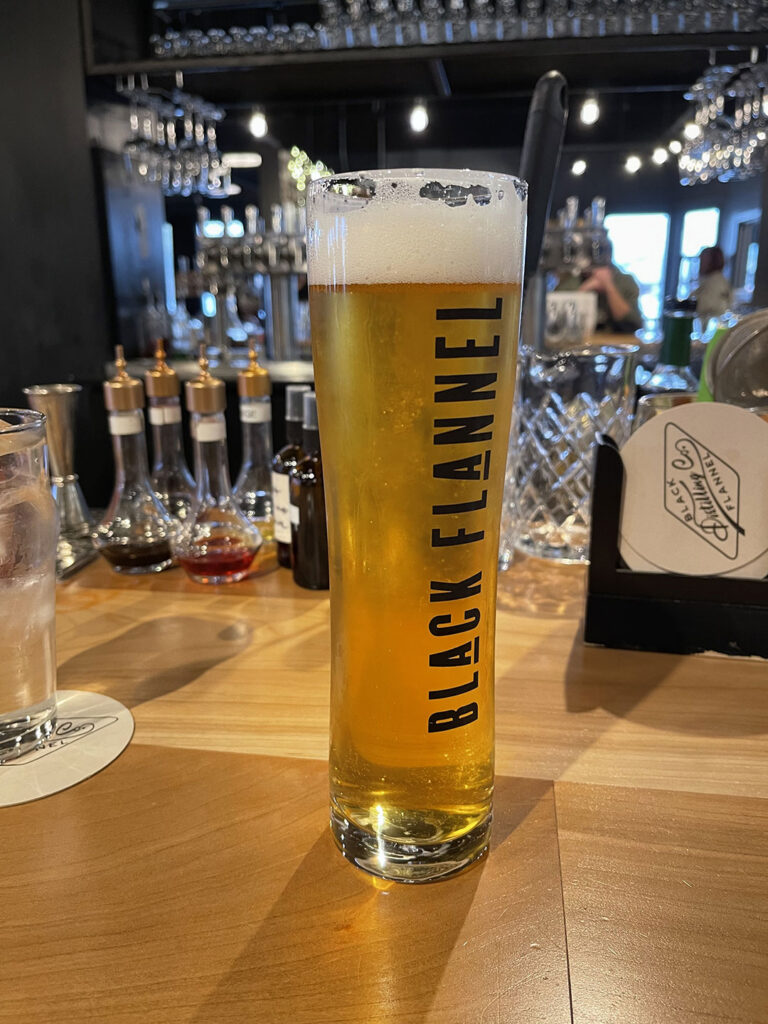
Deep yellow to deep gold color, typically without amber hues. Bright clarity. Persistent white to off-white foam stand. Most commercial examples are medium gold in color.

Aroma

Moderate malty richness with emphasis on toasty doughy aromatics and soft sweetness impression. Low to medium-low floral, herbal, or spicy hops. The malt should not have deeply toasted, caramel, or biscuity quality. Clean lager fermentation character.

Flavor

Medium to medium-high malty flavor initially with lightly toasty, bread dough quality and soft sweetness. Medium to medium-low bitterness, malty in balance. Well-attenuated and crisp but not dry. Medium-low to medium floral, herbal, or spicy hop flavor. Clean lager fermentation character. Taste is mostly Pilsner malt with slightly toasty hints. Bitterness is supportive but still yields malty, flavorful finish.

Mouthfeel

ABV: 5.8-6.3%
Body: Medium
Carbonation: Moderate
Finish: Dry with lingering malt character

Flavor Profile Deep Dive

Primary Flavors

Full-flavored maltiness without excessive sweetness. Light noble hop character providing subtle balance. Clean lager fermentation allowing malt to shine. The beer balances strength and drinkability perfectly.

Secondary Flavors

Subtle caramel from specialty malts, toasted bread notes from decoction process. Minimal fruity character from yeast.

Aftertaste

Dry finish with lingering malt sweetness and clean character. Bitterness gradually fades, leaving smooth finish that encourages continued drinking.

Service notes

Serve in a stein at 50°F. Festbier is the ultimate festival and celebration beer, perfect for any gathering.

BJCP designation

Overall Impression: A smooth, clean, pale German lager with a moderately strong malty flavor and a light hop character. Deftly balances strength and drinkability, with a palate impression and finish that encourages drinking. Showcases elegant German malt flavors without becoming too heavy or filling.

Aroma: Moderate malty richness, with an emphasis on toasty doughy aromatics and an impression of sweetness. Low to medium-low floral, herbal, or spicy hops. The malt should not have a deeply toasted, caramel, or biscuity quality. Clean lager fermentation character.

Appearance: Deep yellow to deep gold color; should not have amber hues. Bright clarity. Persistent white to off-white foam stand. Most commercial examples are medium gold in color.

Flavor: Medium to medium-high malty flavor initially, with a lightly toasty, bread dough quality and an impression of soft sweetness. Medium to medium-low bitterness, definitely malty in the balance. Well-attenuated and crisp, but not dry. Medium-low to medium floral, herbal, or spicy hop flavor. Clean lager fermentation character. The taste is mostly of Pils malt, but with slightly toasty hints. The bitterness is supportive, but still should yield a malty, flavorful finish.

Mouthfeel: Medium body, with a smooth, somewhat creamy texture. Medium carbonation. Alcohol strength barely noticeable as warming, if at all.

Comments: This style represents the modern German beer served at Oktoberfest (although it is not solely reserved for Oktoberfest; it can be found at many other ‘fests’), and is sometimes called Wiesn (“the meadow” or local name for the Oktoberfest festival). We chose to call this style Festbier since by German and EU regulations, Oktoberfestbier is a protected appellation for beer produced at large breweries within the Munich city limits for consumption at Oktoberfest. Other countries are not bound by these rules, so many craft breweries in the US produce beer called Oktoberfest, but based on the traditional style described in these guidelines as Marzen.

History: Since 1990, the majority of beer served at Oktoberfest in Munich has been this style. Export beer specifically made for the United States is still mainly of the traditional amber style, as are US-produced interpretations. Paulaner first created the golden version in the mid-1970s because they thought the traditional Oktoberfest was too filling. So they developed a lighter, more drinkable but still malty version that they wanted to be “more poundable” (according to the head brewer at Paulaner). But the actual type of beer served at Oktoberfest is set by a Munich city committee.

Characteristic Ingredients: Majority Pils malt, but with some Vienna and/or Munich malt to increase maltiness. Differences in commercial examples are mostly due to different maltsters and yeast, not major grist differences.

Style Comparison: Less intense and less richly toasted than a Marzen. More rich-heavy in body than a Helles, with more hop flavor and higher alcohol. Less rich in malt intensity than a Maibock. The malt complexity is similar to a higher-gravity Czech Premium Pale Lager, although without the associated hops.

Vital Statistics: OG: 1.054 – 1.057 IBUs: 18 – 25 FG: 1.010 – 1.012 SRM: 4 – 7 ABV: 5.8 – 6.3%

Commercial Examples: Augustiner Oktoberfest, Hacker-Pschorr Superior Festbier, Hofbrau Festbier, Lowenbrau Oktoberfestbier, Paulaner Wiesn, Schonramer Gold, Weihenstephaner Festbier

Brewers Association designation

German-Style Oktoberfest/Wiesn

Color: Straw to golden

Clarity: Appearance should be clear. Chill haze should not be present

Perceived Malt Aroma & Flavor: Clean, sweet, bready malt profile is low to medium-low

Perceived Hop Aroma & Flavor: Very low to low

Perceived Bitterness: Very low to low and in balance with low sweet maltiness

Fermentation Characteristics: Fruity esters and diacetyl should not be present

Body: Medium

Additional notes: Traditional Oktoberfest beers were brewed to original gravity at or above 13 Plato. Today, some examples are brewed to a lower original gravity.

Original Gravity (°Plato) 1.048-1.056(11.9-13.8 °Plato) – Apparent Extract/Final Gravity (°Plato) 1.010-1.014(2.6-3.6 °Plato) – Alcohol by Weight (Volume) 4.0%-4.8%(5.1%-6.1%) – Bitterness (IBU) 23-29 – Color SRM (EBC) 3-5(6-10 EBC)

Style comparison

Parent Categories

Pale Lager (Category 4 general)

Variant Styles

Märzen (6C) – more toasted, more caramel character
Vienna Lager (7A) – more amber, different origins

Similar Styles

Munich Helles (5A) – lighter body, lower alcohol
Helles Bock (4C) – stronger, more malt-focused

Ingredients

Grain Bill

Majority Pilsner malt with some Vienna and/or Munich malt to increase maltiness. The malt bill should emphasize pale character while providing subtle complexity and body.

Hops

Noble varieties such as Hallertau, Tettnang, or Spalt providing gentle bittering and minimal aroma. Hopping should be restrained and supportive of malt rather than assertive.

Yeast

Bavarian or Munich lager yeast fermented cool for clean, refined character.

Water Profile

Soft to moderately balanced water suitable for pale lagers. Avoid heavily sulfate-forward profiles.

Brewing process

Mash Profile

Decoction mash is traditional, helping with modification and development of Maillard products for aroma and flavor. The beer is meant to finish dry for high drinkability.

Fermentation

Ferment cool (around 50-55°F) with proper attenuation to achieve dry finish despite malty character. Extended lagering helps develop refined character.

Food pairings

At the Pub: Mini Bratwurst
Also at the Pub: Pretzel and Pub Cheese
Barbeque Night: Smoked Sausages with Kraut

Cheese

Medium aged cheddar, Bavarian cheese, semi-hard cheeses

Meat & Seafood

Mini bratwurst, smoked sausages with kraut, light pork preparations

Vegetables & Light Fare

Pretzels, traditional Bavarian foods, roasted vegetables

Desserts

Not typical with sweets; best as an all-day festival beer

Spirit pairings

Bold, spicy, rye whiskey

The soundtrack

Contemporary: Flogging Molly “Drunken Lullabies”
Classical: Verdi, “Brindisi” from La Traviata

Keep exploring

BJCP Guidelines: 4B (Festbier)

Beer Judge Certification Program: BJCP Official Guidelines

Brewer’s Association: BA Beer Style Guidelines

Oktoberfest Tradition: Munich festival brewing history and regulations

Commercial Examples

Augustiner Oktoberfest, HackerPschorr Superior Festbier, Hofbräu Festbier, Löwenbräu Oktoberfestbier, Paulaner Wiesn, Weihenstephaner Festbier

Black Flannel Notes

Brewing Approach

Festbier success depends on quality pale malt, restrained specialty grain use, and proper decoction mashing for Maillard development. The strength should not be evident in complexity but rather in elegant malt expression. Extended lagering is essential.

Tasting Notes

Festbier represents the modern Oktoberfest experience—a beer designed to be enjoyed by the liter for two weeks straight without becoming cloying. Full-flavored yet supremely drinkable, it’s the perfect balance of strength and accessibility.

Scroll to Top