
Black Flannel Academy
Dutch Soul Aged Jenever
Baking spice · Gin · Juniper · Toast · Vanilla · Varies by product
Gin with a deliberate wood contribution, joining juniper and other botanicals to vanilla, spice, toast or mature notes. The central balance is between botanical freshness and cask-derived structure. Aged gin can be light and subtle or richly coloured and assertive.
Color
Pale straw through amber; limited wood contact may leave only a slight tint.
Maturation
New or used wood barrels define ADI’s entry; no fixed duration supplied.
Alcohol
U.S. ordinary gin at least 40% ABV; EU gin at least 37.5%; check actual strength.
Sweetness
Dry through softly sweet, depending on treatment; oak aromas can seem sweet.
Balance
Botanical expression plus wood; citrus and spice may connect the two layers.
History
Aged gin’s modern history includes producers deliberately presenting wood maturation as a defining feature. A contemporary review published in February 2009 describes the 2008 vintage of Citadelle Réserve, providing a dated example of that approach. It demonstrates the style’s place in the early craft-gin revival without establishing a first-ever aged gin or proving a continuous historical recipe from earlier cask transport practices. Drinkhacker: contemporary review of 2008 Citadelle Réserve.
Classic characteristics
Appearance
Pale straw through amber; limited wood contact may leave only a slight tint.
Aroma
Juniper and botanicals with vanilla, toast, wood spice or previous-cask associations.
Flavor
Botanical expression plus wood; citrus and spice may connect the two layers.
Sweetness
Dry through softly sweet, depending on treatment; oak aromas can seem sweet.
Mouthfeel
Rounded or oily, sometimes with a drying tannic edge.
Finish
Medium to long in expressive examples; botanical and wood notes may develop in sequence.
Flavor Profile Deep Dive
Balance juniper/botanicals against barrel influence; oak should be evaluated as part of gin rather than as a whiskey target. Investigate persistent solvent-like pungency, unpleasant stale character or wood astringency that overwhelms the intended expression. A descriptor alone cannot prove a distillation-cut error, additive use or chemical safety.
Service notes
Compare a producer's unaged gin and a barrel-treated version where available. Identify which botanical notes remain, which become less apparent and which new impressions appear. Evaluate tannin separately from bitterness and alcohol warmth. For consumers, describe it as a botanical spirit with wood character, then name the actual flavour balance. Test it in both gin-based and darker-spirit cocktail structures before deciding where the specific bottle works best.
Style parameters
| Parameter | Boundary or expectation |
|---|---|
| Base material | Agricultural spirit with juniper and other botanicals |
| Bottled strength | U.S. ordinary gin at least 40% ABV; EU gin at least 37.5%; check actual strength. |
| United States: bottled ABV | at least 40%; see identity requirements. |
| European Union: bottled ABV | at least 37.5%; see identity requirements. |
| Color and clarity | Pale straw through amber; limited wood contact may leave only a slight tint. |
| Maturation | New or used wood barrels define ADI's entry; no fixed duration supplied. |
| Additions | Confirm sweetening and other treatment; maturation alone does not establish formulation. |
Legal limits apply only to the named jurisdiction and identity. ADI entry conditions and typical sensory expectations are separate; a product example is not a universal range.
Cocktail connections
Browse published cocktails. Documented recipes, conditional style choices and development substitutions are labeled separately.
No established classic or recognized modern cocktail match was found for this specific style in the sources reviewed. This records a research gap, not proof that no cocktail exists. No neighboring style has been substituted to fill the space.
Make Cocktails with Dutch Soul Aged Jenever
Style comparison
Aged gin differs from unaged gin through wood treatment, but may overlap Old Tom or Navy-Strength Gin. Brown colour does not prove long maturation, and a faint colour does not prove brief contact. The relationship between botanicals and wood is more useful than a simplistic darker-is-older interpretation.
Related styles: Classic Gin (S050) · Old Tom Gin (S056).
Ingredients
Agricultural spirit with juniper and other botanicals
Production notes
ADI includes gin rested or matured in new or used wood barrels. Cask species, previous contents, size and duration can change the result. The word aged does not specify a universal minimum period or a single style of barrel. Gin identity still matters; wood character should not be used to infer that the product has become whisky.
Commercial examples
| Expression | Stated ABV | Source/market review | Eligibility note |
|---|---|---|---|
| Barr Hill Tom Cat Gin | 43% | Producer-listed expression; local availability not verified; checked 2026-09-18 | Producer documents oak aging and honey; do not generalize its formulation to every barrel-aged gin. |
Retained example and source context. Barr Hill Tom Cat illustrates a honey-associated, barrel-aged expression. ADI establishes the barrel-treatment boundary; shared gin rules establish legal context.
Photo credit
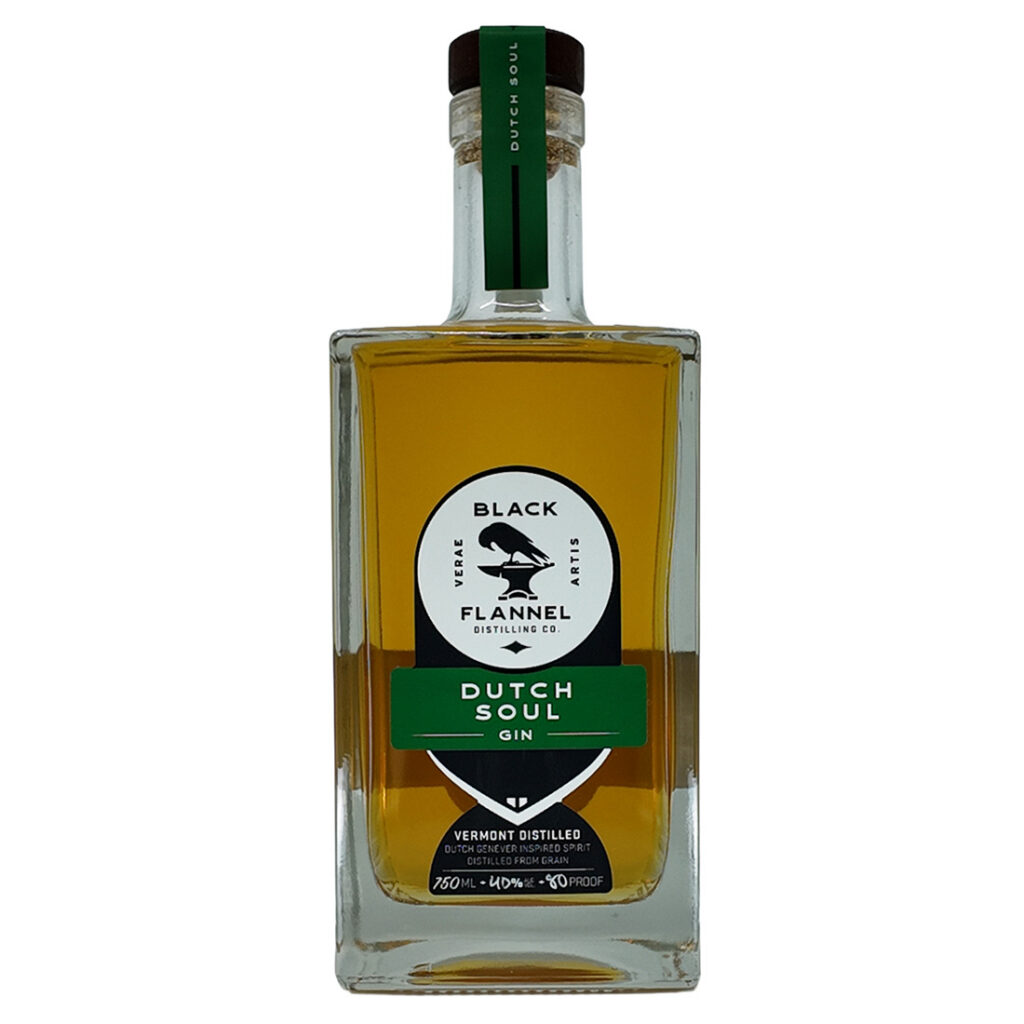
Placeholder image: Black Flannel Agave Dream Blanco. Shown for illustration; it does not depict this spirit style.
Keep exploring
- EU Regulation 2019/787 — evidence reviewed 2026-09-17.
- 27 CFR 5.144 — evidence reviewed 2026-09-17.