
Cardinale
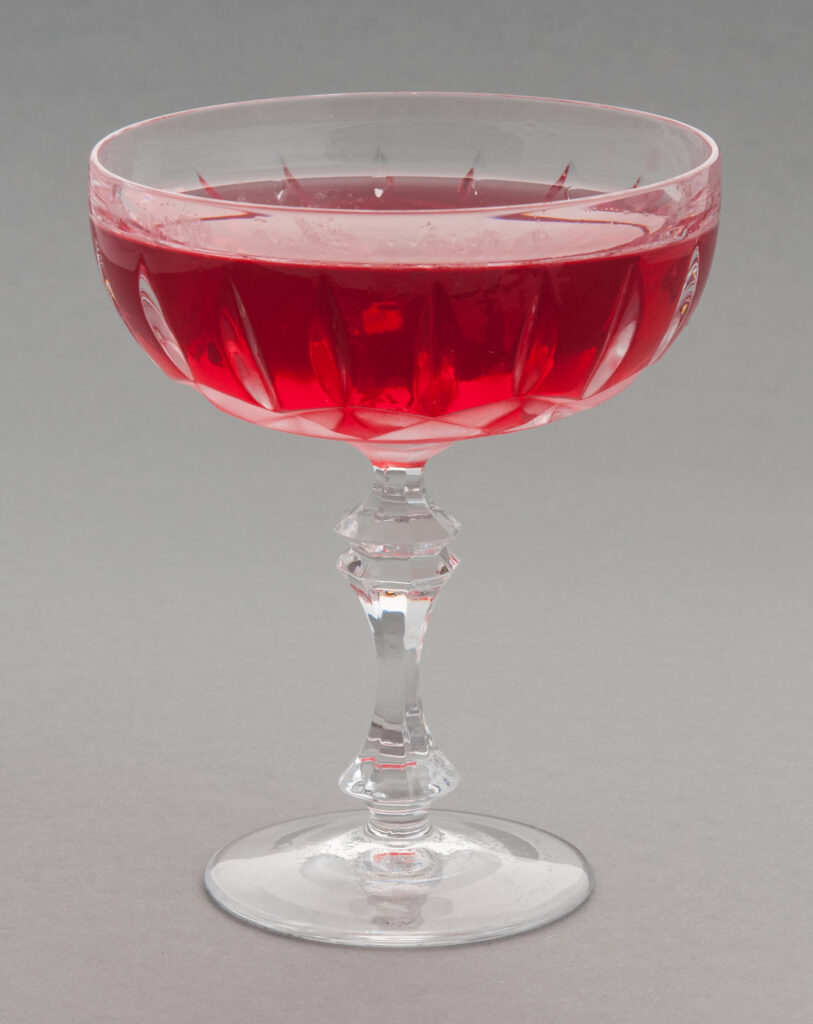

Dry vermouth makes this gin-and-Campari combination leaner than a sweet-vermouth Negroni, without removing its bitterness.
IBA published specification · 1 reference serve.
Glassware
Technique
Ice
Garnish
Preparation effort
Ingredients & measurements
| Ingredient | mL | US fl oz | Source measure / qualification |
|---|---|---|---|
| Gin | 40 | 1.35 | 40 ml Gin |
| Dry Vermouth | 20 | 0.68 | 20 ml Dry Vermouth |
| Bitter Campari | 10 | 0.34 | 10 ml Bitter Campari |
Converted equivalents are rounded for display; use one measurement system consistently. Dashes, spoonfuls, fruit counts and unspecified top-ups remain source measures. A blank equivalent does not mean zero.
How to make it
Stir the measured ingredients over ice until cold, then strain into a chilled glass.
Glass: Cocktail glass. Ice: None in serving glass. Garnish: a lemon zest.
Flavor & balance
- Bitter (dominant): Bitter aperitif, amaro or tonic supplies an intentional bitter counterweight.
- Boozy (Spirit-Forward) (dominant): Little nonalcoholic lengthening leaves the spirit or fortified ingredients prominent after chilling and dilution.
- Sweet (supporting): Sweeteners, fruit or sweetened modifiers round the attack and add weight; product sugar varies.
- Earthy / Herbal (supporting): Botanicals, fresh herbs or the base spirit give aromatic plant character; this is not a basic taste.
Dry vermouth or a dry style name describes low sweetness, not proven astringency. These flavor expectations are based on recipe structure, not measured tasting scores. Actual products, ice and dilution will change the result.
Preparation & batching
Service complexity: low. Batchability: premix with dilution trial.
- Measure and label the chosen product specification; chill appropriate glassware.
Finish chilling, dilution and garnish at service. Trial the actual serving method before approving a batch. Workload is an editorial assessment; no labor timing or storage validation is claimed.
Spirit & ingredient choices
Recipe notes & variations
For a Black Flannel variation, change one component at a time and record the selected product, proof, sweetener concentration and dilution. Compare it with this reference before naming or publishing the variation.