Black Flannel Academy

Brut IPA

bitter ยท Citrus ยท craft-style ยท hoppy ยท new world ยท north-america ยท pale-color ยท top-fermented
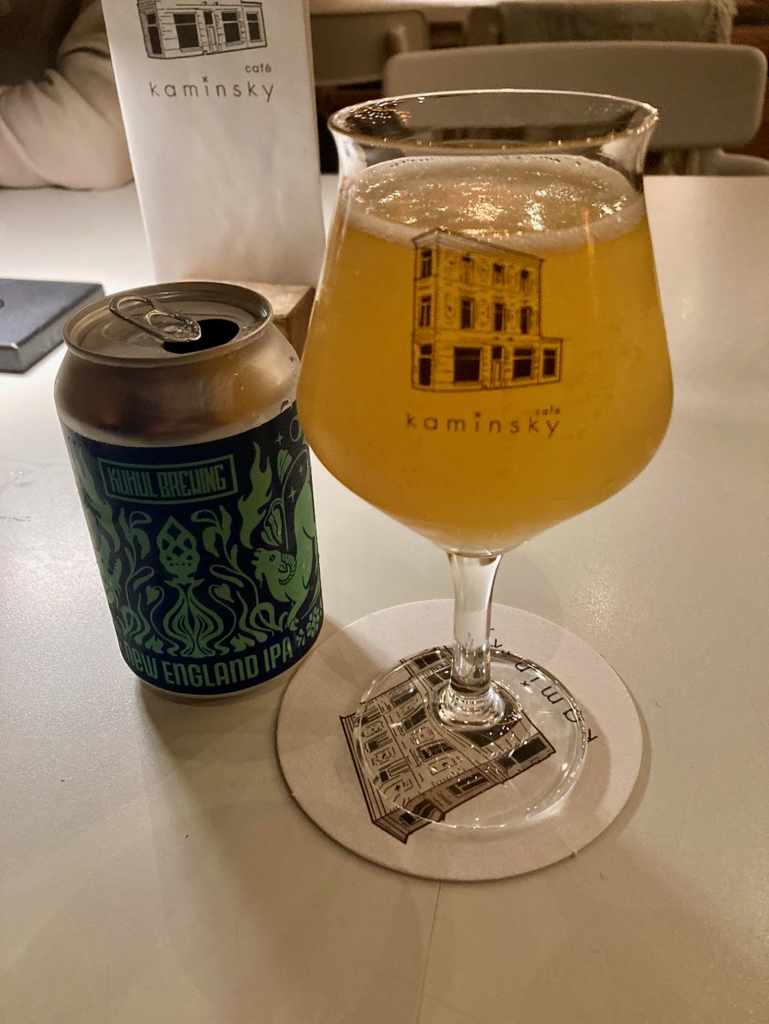
Belgian craft IPA served at Cafรฉ Kaminsky, Leuven
Visual reference: Belgian craft IPA served at Cafรฉ Kaminsky, Leuven. Not a confirmed example of Brut IPA. Photo: Squirrelforest / Wikimedia Commons ยท CC BY-SA 4.0. Display crops and resized versions are available under the same license.

A bone dry, highly carbonated, hop-focused beer with very little (if any) residual sweetness. Something like a mixture between the hop aroma of a New England IPA with the body and dryness of champagne.

Color

5-15 SRM

Bitterness

15-25 IBU

Alcohol

5.5-12% ABV

Sweetness

Malt flavor is all but absent; caramel or juicy sweetness should not be present, though alcohol may provide a sensation of sweetness.

Balance

Bitterness should be restrained.

History

Historical Development

Brut IPA is one of the newest beer styles, originating in late 2017 at Social Kitchen & Brewery in San Francisco. Brewmaster Kim Sturdavant brewed the first version of this style in November 2017, and it quickly gained attention as the new IPA style to watch. The style emerged from creative experimentation with enzyme additions and fermentation techniques, representing American craft brewing's continued innovation and willingness to push boundaries with hops and fermentation science.

Geographic Origin

This style originated in San Francisco, California, and quickly spread to craft breweries across the United States. It represents the continuation of West Coast and New England IPA experimentation, combining the fresh hop aromatics of modern IPAs with the bone-dry finish characteristics associated with champagne and sparkling wine.

Modern Evolution

Brut IPA was born from the same creative spirit that drives modern craft brewing experimentation. Kim Sturdavant took the familiar IPA style and applied enzyme technology to create something unique. By adding amyloglucosidase (an enzyme typically used in light beers and imperial stouts), he created more fermentable sugar for yeast to consume, resulting in a beer with champagne-like dryness while retaining the hop character of an American IPA. Since its introduction, Brut IPAs have been brewed to double and imperial strengths, seen various hop treatments, and have experienced both popularity and market cycles.

Classic characteristics

Appearance

Very pale to light golden in color. Those with added fruit may reflect fruit color, but typically pale. White to off-white foam may be voluminous due to high carbonation and can have good to moderate retention.

Aroma

Moderate to intense hop aroma featuring American or New World hops, including citrus, floral, pine, resinous, spicy, tropical fruit, stone fruit, or berry notes. Most are heavily hopped after flameout. Some "Champagne" styles may incorporate fruit aromatics from additions of actual fruit in addition to or instead of hop-derived fruit. A low to medium-low clean malty-grainy aroma may be found in the background.

Flavor

Initial flavor should primarily reflect hop oils or added fruit. Grape, citrus, tropical, and stone fruit flavors are common. Bitterness should be restrained. Malt flavor is all but absent; caramel or juicy sweetness should not be present, though alcohol may provide a sensation of sweetness. Hop flavors should exhibit dry, sometimes wine-like fruitiness. Finish is dry to very dry with low hop bitterness.

Mouthfeel

Body should be light to very light and, along with high carbonation (up to 3.5 vol.), lends a Champagne-like quality. Alcohol may be high, with a sensation of sparkling wine-like volatility, but should not be hot or harsh. Residual malt sweetness or dextrin fullness should be absent.

Flavor Profile Deep Dive

Primary Flavors

Hop oils and aromatic compounds dominate, with emphasis on citrus, tropical fruit, stone fruit, floral, or herbal notes depending on hop selection. The bone-dry finish allows these aromatics to shine without sweetness interference.

Secondary Flavors

High carbonation provides a crisp, wine-like mouthfeel. Subtle alcohol warmth may be present in stronger versions. Grape or other fruit flavors present if fruit additions were used. Minimal to no residual malt sweetness.

Aftertaste

Clean, dry finish with hop flavor lingering into the aftertaste. Low hop bitterness perception despite moderate IBU levels. No lingering malt sweetness or alcohol heat. Crisp carbonic bite typical of champagne-style carbonation.

Service notes

Serve fresh in a champagne flute or standard pint glass at 38-42ยฐF. Pairs exceptionally well with seafood, cheese, or as an aperitif. The high carbonation and bone-dry finish make this an excellent palate-cleansing beer for spicy or rich foods.

BJCP designation

Overall Impression: A very pale, very dry, highly effervescent variant of American IPA, usually highly hopped with aromatic hops, but with far less actual bitterness.

Aroma: Moderate to intense hop aroma featuring one or more characteristics of American or New World hops, including citrus, floral, pine resinous, spicy, tropical fruit, stone fruit, berry, melon, etc. Any American or New World hop character is acceptable; new hop varieties continue to be released and should not constrain this style. Most are heavily hopped after flameout, either during whirlpool, dry-hopped, or both. Some "Champagne" styles may incorporate fruit aromatics from additions of actual fruit in addition to or instead of hop-derived fruit; grapes or grape must may be used in these versions to bridge the gap between sparkling wines and beer. A low to medium-low clean malty-grainy aroma may be found in the background. Sweet, grainy aromatics of corn or rice may be present but are not required, as a moderate to high percentage of adjuncts in the grain bill are often used as a means of increasing attenuation. Some brewers have reported aromas of coconut from high amounts of rice in the grain bill.

Appearance: Very pale to light golden in color; those with added fruit may reflect fruit color, but it's usually pale. White to off-white foam may be voluminous due to high carbonation and can have good to moderate retention, depending upon alcohol. Clarity can range from brilliant to moderately hazy from late-hop and dry-hop oils.

Flavor: Initial flavor should primarily reflect hop oils or added fruit. Grape, citrus, tropical, and stone fruit flavors are common, while bitterness should be restrained. Low bittering hops will be exaggerated by the very dry finishing gravity as well as carbonic acid, but there should not be an aggressive bitterness as one would taste in a West Coast-style American IPA. Malt flavor is all but absent; caramel or juicy sweetness should not be present, though alcohol may provide a sensation of sweetness. Hop flavors should exhibit dry, sometimes wine-like fruitiness. Low tartness may be present from the presence of real fruit but is not required. Finish is dry to very dry (1ยฐP or less) with low hop bitterness.

Mouthfeel: Body should be light to very light and, along with high carbonation (up to 3.5 vol.), should lend a Champagne-like quality. Alcohol may be high, with a sensation of sparkling wine-like volatility, but should not be hot or harsh. Residual malt sweetness or dextrin fullness should be absent.

Comments: Amylase enzymes, specifically glucoamylase or amyloglucosidase, are used in the mash and/or fermenter along with highly fermentable wort and often adjuncts like rice and corn to achieve close to 100% attenuation. Clean, high-attenuating yeast strains are preferred, though the style will likely evolve as more brewers experiment with more characterful strains. Bittering hops should be used with restraint since, even though it is an IPA, the low finishing gravities will accentuate hop bitterness; generally at or below about 20 IBUs.

History: This is very new subgenre of IPA that has ties to the relatively rare European style biere de Champagne, but is generally attributed to brewer Kim Sturdavant at San Francisco's Social Kitchen and Brewery. He is said to have used amylase enzymes to make his triple IPA more drinkable and wondered what effect they would have on a standard-strength IPA. Some see it as a bone-dry West Coast backlash to the New England IPA and milkshake IPA trends that favor sweet, full-bodied, "juicy" flavors in a heavily late-hopped beer.

Characteristic Ingredients: Very pale base malt, sometimes married with rice or corn adjuncts, high carbonation and oil-heavy flavor and aroma hops added post-flameout. Mandarina Bavaria, Hull Melon, and Nelson Sauvin are popular. Sugar additions to aid attenuation are acceptable but must be kept low to avoid hot or harsh alcohols. Amylase enzymes such as Fermfast Glucoamylase, White Labs Ultra-Ferm, or Amylo 300 are used to produce a bone-dry finish, which is further amplified by high carbonation. Crystal or dextrin malts, lactose, or any ingredients that will thicken or sweeten the beer, or prevent complete attenuation, are not to style.

Style Comparison: Hopped in a similar fashion to New England IPA, but without sweetness. Pale, sometimes slightly hazy like a West Coast IPA, but without high bitterness. Highly carbonated like a Belgian Golden Strong ale, but even drier, and without Belgian spice and phenol character.

Vital Statistics: IBUs: 15-25 OG: 1.060-1.080 FG: 0.990-1.004 ABV: 5.5-12% SRM: 5-15

Commercial Examples: Bear Republic Brut Squad IPA, Blackstack Bottomless Brut, WeldWerks Chardonnay Brut, Matchless Fancy Stuff Brut IPA, Barrel Brothers Champaderade Brut IPA, Three Weavers Postcolonial Friendship, Dangerous Man Brut Bellini, Four Quarters Paddle On

Brewers Association designation

Style comparison

Parent Categories

  • American IPA (21B)
  • Imperial IPA (21D)
  • Specialty IPA (21A)

Variant Styles

  • New England IPA (21B) – sweeter, juicier finish
  • West Coast IPA (21B) – more bitter, less dry
  • Champagne-Style Ale – similar dryness, less hoppy

Similar Styles

  • Belgian Pale Ale (12B) – dry and complex but different aromatic profile
  • Biรจre de Champagne – European predecessor style using similar enzyme techniques
  • Session IPA – dry but lower alcohol and less intense

Ingredients

Grain Bill

Very pale base malt, sometimes married with rice or corn adjuncts for additional fermentability. The grain bill should be clean and simple to allow hops and carbonation to dominate.

Yeast

Clean, high-attenuating yeast strains are preferred. Saccharomyces cerevisiae or S. pastorianus strains that achieve near-complete attenuation are ideal. The yeast character should be neutral and not contribute fruity esters or phenolic notes.

Water Profile

Clean water profile suitable for pale ales. No specific mineral requirements; neutral to slightly soft water works well.

Brewing process

Amyloglucosidase (AMG) Enzyme

Amylose enzymes such as Fermfast Glucoamylase, White Labs Ultra-Ferm, or Amylo 300 are used to produce a bone-dry finish. This enzyme breaks down long starch chains that yeast cannot typically consume, dramatically increasing fermentability and lowering residual sweetness. Added at various points in the brewing process depending on brewer preference.

Mash Profile

Single infusion mash in low to moderate temperature range (around 148-152ยฐF) to maximize fermentability and minimize residual sweetness.

Hopping Strategy

High late-hop, whirlpool, and dry-hop additions for aromatic punch. Bittering hops should be used with restraint (generally at or below 20 IBUs) since the low finishing gravity will accentuate hop bitterness.

Fermentation

Ferment at moderate temperatures (around 68ยฐF) for clean yeast profile. Full attenuation is critical for the style.

Food pairings

At the Pub: Scotch egg

Takeout: Kabobs

Cheese Pairing: Triple Cream Brie

Cheese

Triple Cream Brie, fresh goat cheese, aged Gruyรจre

Meat & Seafood

Oysters, seared scallops, ceviche, grilled shrimp

Vegetables & Appetizers

Salads with acidic vinaigrettes, roasted asparagus, bruschetta with goat cheese

Desserts & Sweet Dishes

Light fruit desserts, lemon tarts, champagne-based desserts (pairs exceptionally well due to shared dryness and carbonation)

Spirit pairings

Agave Dream

The soundtrack

New: Drake

Old: Vivaldi, Concerto in D Minor, Op. 3, No. 11

Keep exploring

Commercial Examples

Bear Republic Brut Squad IPA, Blackstack Bottomless Brut, WeldWerks Chardonnay Brut, Matchless Fancy Stuff Brut IPA, Barrel Brothers Champaderade Brut IPA, Three Weavers Postcolonial Friendship, Dangerous Man Brut Bellini, Four Quarters Paddle On

Beer Cocktail Recipe

Radler

5 ounces Brut IPA

3 ounces grapefruit juice

Grapefruit peel for garnish

Directions:

Pour grapefruit juice into a highball glass without ice, then top with IPA and garnish with grapefruit peel.

Return to all beer styles

Scroll to Top