Black Flannel Academy

Brown IPA

bitter ยท craft-style ยท dark-color ยท high-strength ยท hoppy ยท ipa-family ยท north-america ยท specialty-family ยท top-fermented
Page 24 American Brown Ale
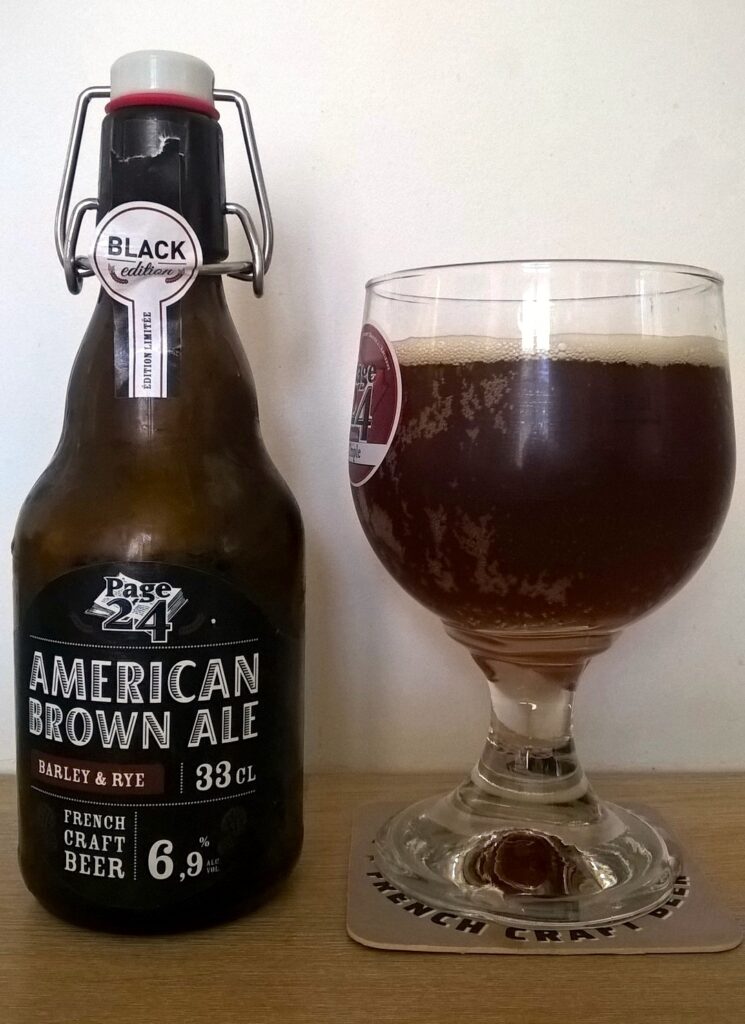
Visual reference: Page 24 American Brown Ale. Not a confirmed example of Brown IPA. Photo: Liondartois / Wikimedia Commons ยท CC BY-SA 4.0. Display crops and resized versions are available under the same license.

A mashup between American Brown Ale and American IPA. Nutty, caramelly, and lightly roasted malt flavors with a strong American hop presence. This style represents the American tradition of taking established styles and amplifying the hop character.

Color

11 – 19 SRM

Bitterness

40 – 70 IBU

Alcohol

5.5 – 7.5% ABV

Sweetness

Malt flavor should be medium-low to medium, generally clean but malty-sweet up front with milk chocolate, cocoa, toffee, nutty, biscuity, dark caramel, toasted bread, and/or dark fruit notes.

Balance

Medium-high to high hop bitterness.

History

Historical Development

Brown IPA emerged in the early 1990s as the hop boom of the 1980s and 2000s migrated into darker styles. While American brewers created American Brown Ale by adding hops to British Brown Ales (creating a more assertive take on the traditional style), the next logical step was to push the hop character even further.

DogFish Head first brewed their India Brown Ale in 1999, claiming it was conceptually a hybrid between the caramel sweetness of a Scotch Ale, the color of an American Brown, and the hop character of an American IPA. However, homebrewers likely experimented with this style independently in the 1980s. Early homebrew competitions in California featured hoppy brown ales that didn't fit the traditional category, sometimes called "California Dark Ale" or "Texas Brown Ale" depending on the region. The style remained largely homebrewer territory until commercial recognition in 2015 (though the BJCP had listed American Brown Ale since 2008 with only 20-40 IBU as the norm).

Geographic Origin

Brown IPA originated in the United States as craft brewers and homebrewers experimented with amplifying hops in darker beers. DogFish Head's India Brown Ale (1999) is often cited as the first commercial example, though homebrewers had likely been brewing versions years earlier.

Modern Evolution

Brown IPA is a style that has maintained relative stability compared to other craft beer innovations. While IPAs and stouts have evolved dramatically with lactose additions and other adjuncts, Brown IPAs have largely stayed true to their core identity of balanced malt and hop character without excessive sweetness.

Classic characteristics

Appearance

Reddish-brown to dark brown color, frequently opaque but should be clear if visible. Unfiltered dry-hopped versions may be slightly hazy. Medium-sized, cream-colored to tan head with good persistence.

Aroma

Moderate to moderately-strong fresh hop aroma featuring American or New World hop characteristics such as tropical fruit, stone fruit, citrus, floral, spicy, berry, melon, pine, or resinous notes. Medium-low to medium malty-sweet aroma with chocolate, nuts, dark caramel, toffee, toasted bread, and/or dark fruit character. Fruitiness from yeast may be detected in some versions, though neutral fermentation character is also acceptable. Restrained alcohol note may be present but should be minimal.

Flavor

Hop flavor is medium to high, reflecting American or New World hop character with citrus, floral, pine, resinous, spicy, tropical, stone fruit, berry, or melon notes. Medium-high to high hop bitterness. Malt flavor should be medium-low to medium, generally clean but malty-sweet up front with milk chocolate, cocoa, toffee, nutty, biscuity, dark caramel, toasted bread, and/or dark fruit notes. The level of malt flavor should nearly balance the hop bitterness. Dry to medium finish; residual sweetness should be medium-low to none.

Mouthfeel

  • ABV: 5.5-7.5%
  • Body: Medium-light to Medium
  • Carbonation: Medium to Medium-high
  • Finish: Smooth, drying

Flavor Profile Deep Dive

Primary Flavors

American hop character (citrus, pine, tropical fruit) balanced against malt sweetness featuring caramel, chocolate, and toasted bread flavors. The balance is criticalโ€”neither element should dominate or clash.

Secondary Flavors

Complex alcohol and ester profile, subtle dark fruit notes, herbal or spicy hop character, nutty malt character.

Aftertaste

Moderate finish with lingering hop character and malt sweetness. The finish should showcase both components in balance.

Service notes

Serve at 50-55ยฐF in a pint glass or snifter. Fresh examples show the full hop character; drink fresh for optimal aroma and flavor.

BJCP designation

Overall Impression: Hoppy, bitter, and moderately strong like an American IPA, but with some caramel, chocolate, toffee, and/or dark fruit malt character as in an American Brown Ale. Retaining the dryish finish and lean body that makes IPAs so drinkable, a Brown IPA is a little more flavorful and malty than an American IPA without being sweet or heavy.

Aroma: A moderate to moderately-strong fresh hop aroma featuring one or more characteristics of American or New World hops, such as tropical fruit, stone fruit, citrus, floral, spicy, berry, melon, pine, resinous, etc. Many versions are dry hopped and can have an additional fresh hop aroma; this is desirable but not required. Grassiness should be minimal, if present. A medium-low to medium malty-sweet aroma mixes in well with the hop selection, and often features chocolate, nuts, dark caramel, toffee, toasted bread, and/or dark fruit character. Fruitiness from yeast may also be detected in some versions, although a neutral fermentation character is also acceptable. A restrained alcohol note may be present, but this character should be minimal at best. Any American or New World hop character is acceptable; new hop varieties continue to be released and should not constrain this style.

Appearance: Color ranges from reddish-brown to dark brown but not black. Frequently opaque, but should be clear if visible. Unfiltered dry-hopped versions may be a bit hazy. Medium-sized, cream-colored to tan head with good persistence.

Flavor: Hop flavor is medium to high, and should reflect an American or New World hop character, such as citrus, floral, pine, resinous, spicy, tropical fruit, stone fruit, berry, melon, etc. Medium-high to high hop bitterness. Malt flavor should be medium-low to medium, and is generally clean but malty-sweet up front with milk chocolate, cocoa, toffee, nutty, biscuity, dark caramel, toasted bread and/or dark fruit malt flavors. The character malt choices and the hop selections should complement and enhance each other, not clash. The level of malt flavor should nearly balance the hop bitterness and flavor presentation. Low yeast-derived fruitiness is acceptable but not required. Dry to medium finish; residual sweetness should be medium-low to none. The bitterness and hop flavor may linger into the aftertaste but should not be harsh. A very light, clean alcohol flavor may be noted in stronger versions. No roasted, burnt, or harsh-bitter malt character.

Mouthfeel: Medium-light to medium body, with a smooth texture. Medium to medium-high carbonation. No harsh hopderived astringency. Very light, smooth alcohol warming not a fault if it does not intrude into overall balance.

Comments: Previously might have been a sub-genre of American Brown Ales, hoppier and stronger than the normal products, but still maintaining the essential drinkability by avoiding sweet flavors or a heavy body or finish. The hops and malt can combine to produce interesting interactions.

History: A more modern craft beer name for a style that has long been popular with US homebrewers, when it was known as a hoppier American Brown Ale or sometimes Texas Brown Ale (despite origins in California).

Characteristic Ingredients: Similar to an American IPA, but with medium or dark crystal malts, lightly roasted chocolate-type malts, or other intermediate color character malts. May use sugar adjuncts, including brown sugar. American or New World finishing hops with tropical, fruity, citrusy, piney, berry, or melon aspects; the choice of hops and character malts is synergistic – they very much have to complement each other and not clash.

Style Comparison: A stronger and more bitter version of an American Brown Ale, with the balance of an American IPA.

Vital Statistics: OG: 1.056 – 1.070 IBUs: 40 – 70 FG: 1.008 – 1.016 SRM: 11 – 19 ABV: 5.5 – 7.5%

Commercial Examples: Dogfish Head Indian Brown Ale, Grand Teton Bitch Creek, Harpoon Brown IPA, Russian River Janet's Brown Ale

Brewers Association designation

Style comparison

Parent Categories

  • American IPA (21A, 21B) – Hop-forward inspiration
  • American Brown Ale (19C) – Malt foundation

Variant Styles

  • Black IPA (19D) – Darker, more roasted
  • English Brown Ale (13C) – Lower hop character

Similar Styles

  • American Pale Ale (19B) – Lighter color, similar balance concept
  • Red IPA (19C) – Similar balance, different color

Ingredients

Grain Bill

Well-modified pale malt as base (65-75%), with crystal and darker malts (typically chocolate), and medium or dark character malts. May use sugar adjuncts including brown sugar for additional complexity.

Hops

American or New World finishing hops with tropical, fruity, citrusy, piney, berry, or melon aspects. Bittering hops for balance. The choice of hops and character malts must complement each other and not clash.

Yeast

American ale yeast fermented at moderate temperatures (65-68ยฐF) for clean fermentation character.

Water Profile

Moderately sulfate water typical of many American brewing regions.

Brewing process

Mash Profile

Single infusion mash in the mid-saccharification range (152-156ยฐF) to create balance between fermentability and residual sweetness.

Fermentation

Moderate ale fermentation (7-14 days). Clean yeast is preferred to avoid clouding the balance of malt and hops.

Food pairings

At the Pub: Smash burger and fries

Takeout: Barbeque

Cheese pairing: Sharp aged Vermont Cheddar

Cheese

Sharp aged Vermont Cheddar, smoked gouda

Meat & Seafood

Smash burger and fries, barbecue, roasted meats

Desserts

Dark chocolate desserts, caramel-based treats

Other Pairings

Works well with pub fare and comfort food. The hop character cuts through rich, fatty dishes.

Spirit pairings

Vermont Common Whiskey

The soundtrack

New: Green Day – Dookie

Old: Schumann – The String Quartets

Keep exploring

  • BJCP Guidelines: 19E (Brown IPA) – Specialty IPA category
  • Beer Judge Certification Program: BJCP Official Guidelines
  • Brewer's Association: BA Beer Style Guidelines
  • American IPA Heritage: Evolution of American hop character across styles

Commercial Examples

Dogfish Head India Brown Ale, Grand Teton Bitch Creek, Harpoon Brown IPA, Russian River Janet's Brown Ale

Beer Cocktail Recipe

Birch Syrup Negroni

4 Ounces Brown IPA

1/2 ounce Dutch Soul (or other Gin)

1 ounce birch syrup

Grated Orange Zest

Pour spirit and syrup into a cocktail mixing glass, fill with ice, then stir. Strain into a martini glass, top aggressively with Brown IPA to produce a nice foam head, then garnish with grated orange zest.

Return to all beer styles

Scroll to Top