
Commercial Examples
Crouch Vale Brewers Gold, Fuller's Discovery, Golden Hill Exmoor Gold, Hop Back Summer Lightning, Kelham Island Pale Rider, Morland Old Golden Hen, Oakham JHB

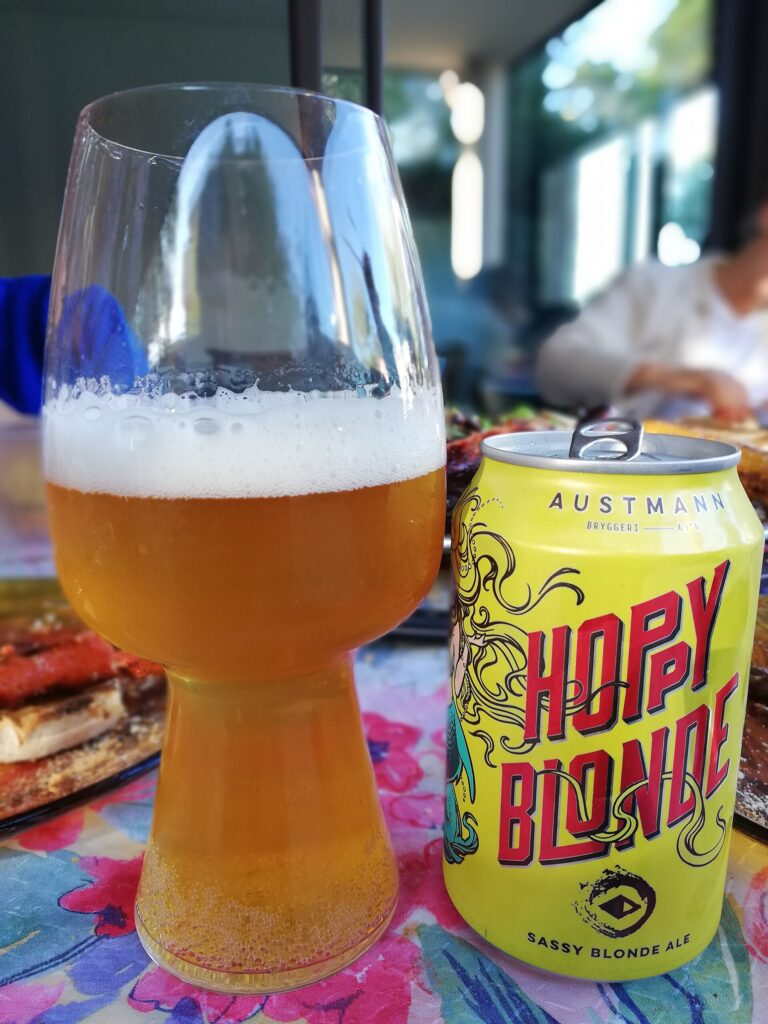
A golden, refreshing brew with elevated hopping and a clean finish. Excellent refresher in warm weather. A hop-forward, average-strength to moderately-strong pale bitter. Drinkability and a refreshing quality are critical components of the style.
A relatively recent addition to British brewers' lineups, the Golden Ale is often claimed to be a response to the growth in popularity of lower-ABV refreshing lagers during the twentieth century. Often cited as the creation of Hop Back brewery with their beer Summer Lightning, this style debuted in 1987, making it an exception to the consistency in British offerings since World War II.
British brewers, forced into lower grain bills due to restrictions during wartime, adopted new recipes that maximized flavor without the alcohol. For a while, mild was the most popular drink in England, though that designation has changed from its earlier connotation as a young beer. Bitters took hold after the second world war, and it's common to think that they had a stranglehold on the British marketplace since then.
This style originated in England during the craft beer revolution of the 1980s, with Hop Back brewery in Wiltshire pioneering the category with Summer Lightning in 1986-1987.
When the American government mandated production of beer for US troops during WWII, they unwittingly created a generation of drinkers who came of drinking age with pale lager as the only option. The US troops stationed in Europe impacted the tastes of their English brethren, and the popularity of lager grew in Britain after the war. In historic pushback, CAMRA was created in 1971 to combat flavorless swill. This empowered British craft beer once again.
Enter the craft beer revolution of the US, and you've got brewers interested in taking British styles and doing something creative with them. The Golden Ale, highly refreshing, appealing to lager drinkers, and still hoppy and flavorful enough for the craft-oriented drinker, is an effort in that realm. These beers began as a summertime brew for the warm weather, but their popularity has motivated some brewers to make them year-round offerings.
Straw to golden in color. Good to brilliant clarity. Low to moderate white head. A low head is acceptable when carbonation is also low.
Hop aroma is moderately low to moderately high, and can use any variety of hops—floral, herbal, or earthy English hops and citrusy American hops are most common. Frequently a single hop varietal will be showcased. Little to no malt aroma; no caramel. Medium-low to low fruity aroma from the hops rather than esters. Little to no diacetyl.
Medium to medium-high bitterness. Hop flavor is moderate to moderately high of any hop variety, although citrus flavors are increasingly common. Medium-low to low malt character, generally bready with perhaps a little biscuity flavor. Caramel flavors are typically absent. Hop bitterness and flavor should be pronounced. Moderately-low to low esters. Medium-dry to dry finish. Bitterness increases with alcohol level, but is always balanced.
Very light malt, grainy sweet with light biscuit character. Earthy, herbal, spicy, and floral hops. Balanced hop-forward profile. Moderate to medium-high bitterness balanced by light malt sweetness.
Low residual sweetness. Possible citrus character from American hops or herbal/earthy from English varieties. Clean fermentation character.
Dry finish with lingering hop bitterness. Clean, refreshing conclusion. Biscuit notes may linger subtly.
Serve fresh in a pint glass at 52°F. This beer shows best when served slightly warmer than pale lagers—it allows the hop aromatics and subtle malt character to shine. Best enjoyed by itself or paired with lighter fare.
Overall Impression: A hop-forward, average-strength to moderately-strong pale bitter. Drinkability and a refreshing quality are critical components of the style.
Aroma: Hop aroma is moderately low to moderately high, and can use any variety of hops – floral, herbal, or earthy English hops and citrusy American hops are most common. Frequently a single hop varietal will be showcased. Little to no malt aroma; no caramel. Medium-low to low fruity aroma from the hops rather than esters. Little to no diacetyl.
Appearance: Straw to golden in color. Good to brilliant clarity. Low to moderate white head. A low head is acceptable when carbonation is also low.
Flavor: Medium to medium-high bitterness. Hop flavor is moderate to moderately high of any hop variety, although citrus flavors are increasingly common. Medium-low to low malt character, generally bready with perhaps a little biscuity flavor. Caramel flavors are typically absent. Little to no diacetyl. Hop bitterness and flavor should be pronounced. Moderately-low to low esters. Medium-dry to dry finish. Bitterness increases with alcohol level, but is always balanced.
Mouthfeel: Light to medium body. Low to moderate carbonation on draught, although bottled commercial versions will be higher. Stronger versions may have a slight alcohol warmth, but this character should not be too high.
Comments: Well-hopped, quenching beer with an emphasis on showcasing hops. Served colder than traditional bitters, this style was originally positioned as a refreshing summer beer, but is now often brewed year-round. Although early on the beers were brewed with English hops, increasingly American citrus-flavored hops are used. Golden Ales are also called Golden Bitters, Summer Ales, or British Blonde Ales. Can be found in cask, keg, and bottle.
History: Modern golden ales were developed in England to take on strongly-marketed lagers. While it is difficult to identify the first, Hop Back's Summer Lightning, first brewed in 1986, is thought by many to have got the style off the ground.
Characteristic Ingredients: Low-color pale or lager malt acting as a blank canvas for the hop character. May use sugar adjuncts, corn or wheat. English hops frequently used, although citrusy American varietals are becoming more common. Somewhat clean-fermenting British yeast.
Style Comparison: More similar to an American Pale Ale than anything else, although it is often lower in alcohol and usually features British ingredients. Has no caramel and fewer esters compared to British bitters and pale ales. Dry as bitters but with less malt character to support the hops, giving a different balance.
Vital Statistics: OG: 1.038 – 1.053 IBUs: 20 – 45 FG: 1.006 – 1.012 SRM: 2 – 6 ABV: 3.8 – 5.0%
Commercial Examples: Crouch Vale Brewers Gold, Fuller's Discovery, Golden Hill Exmoor Gold, Hop Back Summer Lightning, Kelham Island Pale Rider, Morland Old Golden Hen, Oakham JHB
English-Style Summer Ale Color: Straw to amber Clarity: Chill haze is acceptable at low temperatures Perceived Malt Aroma & Flavor: Residual malt sweetness is low to medium. Torrified or malted wheat is often used in quantities of 25 percent or less. Malt attributes such as biscuity or low levels of caramel are present. Perceived Hop Aroma & Flavor: English, American or noble-type hop aroma should be low to medium. Hop flavor should not be assertive and should be well balanced with malt character. Perceived Bitterness: Medium-low to medium Fermentation Characteristics: Mild carbonation traditionally characterizes draft-cask versions, but in bottled versions, a slight increase in carbon dioxide content is acceptable. Fruity esters are low to medium. Diacetyl and DMS should not be present. Body: Low to medium-low Additional notes: The overall impression is refreshing and thirst quenching Original Gravity: 1.036-1.050 (9-12.4 Plato) Final Gravity: 1.006-1.012 (1.5-3.1 Plato) Alcohol by Weight (Volume): 2.9%-4.0% (3.7%-5.1%) Bitterness (IBU): 20-30 Color SRM (EBC): 3-8 (6-16 EBC)
Low-color pale or lager malt acting as a blank canvas for the hop character. May use sugar adjuncts, corn or wheat. English hops frequently used, although citrusy American varietals are becoming more common.
Somewhat clean-fermenting British yeast. Expressive English ale yeast for character development.
Variable, neutral water profile suitable for showcasing hop character.
A single infusion mash is traditional. Design for good fermentability without excessive body. Hopping varies based on desired profile.
Fermented with English yeast for a pomme fruit fermentation profile. Ferment cool to maintain hop character.
At the Pub: Smash burger and fries Takeout: Fish and chips Casual date: Swanky sandwiches
Mild cheddar, gruyere, fresh mozzarella
Smash burger and fries, fish and chips, swanky sandwiches, grilled chicken
Light fruit tarts, shortbread
Black Flannel Vermont Common
New: The Beach Boys Old: George Gershwin, Summertime
Crouch Vale Brewers Gold, Fuller's Discovery, Golden Hill Exmoor Gold, Hop Back Summer Lightning, Kelham Island Pale Rider, Morland Old Golden Hen, Oakham JHB