
American Single Malt Whiskey
A U.S. malted-barley whiskey with a broad expressive range: cereal, toasted malt, nuts, fruit, chocolate, oak and sometimes smoke. Its defining unity is production origin and raw material. It is not required to imitate Scotch, use new charred wood or display a particular American regional flavour.
Color
Maturation
Alcohol
Sweetness
Balance
History
American Single Malt Whisky acquired a federal standard of identity through a final rule published in December 2024, effective January 19, 2025. This was a significant recognition milestone for an already developing American production category. The date should be taught as formal U.S. standardization, not the first American distillation of malt whiskey or the founding of every producer that helped establish the style. TTB: establishment of American Single Malt Whisky, 2024–2025.
Classic characteristics
Appearance
Pale gold to deep amber; shade depends on wood, time and any disclosed permitted caramel.
Aroma
Medium to pronounced cereal, toast, nuts, fruit and oak; roasted or smoked malt can add distinctive layers.
Flavor
Malt-led with variable fruit, cocoa, vanilla, spice and smoke; wood should support an intelligible spirit character.
Sweetness
Usually dry with sweet-associated malt and wood aromas; avoid confusing these with measured sugar.
Mouthfeel
Medium to full, rounded or oily; tannin and alcohol vary substantially by expression.
Finish
Medium to long in many examples; malt, fruit, oak and optional smoke should remain integrated.
Flavor Profile Deep Dive
Judge malt expression and oak integration across permitted cask regimes; single distillery does not imply one barrel or one malt preparation. Investigate persistent solvent-like pungency, unpleasant stale character or wood astringency that overwhelms the intended expression. A descriptor alone cannot prove a distillation-cut error, additive use or chemical safety.
Service notes
Compare contrasting malt and cask treatments at similar strength. Ask which impressions seem cereal-derived and which suggest maturation, while acknowledging that tasting cannot prove the recipe. Explain the distillery meaning of “single” before discussing age. Existing labels can be affected by the federal transition period through January 19, 2030; verify the particular bottling when making compliance claims.
Style parameters
| Parameter | Boundary or expectation |
|---|---|
| Base material | Malted barley |
| Bottled strength | Federal bottling minimum 40% ABV; higher-strength expressions are legitimate and require careful comparison. |
| United States: bottled ABV | at least 40%; see identity requirements. |
| Color and clarity | Pale gold to deep amber; shade depends on wood, time and any disclosed permitted caramel. |
| Maturation | No general minimum duration; straight American single malt requires at least two years. |
| Additions | Caramel colouring permitted with disclosure; other colouring, flavouring and blending materials prohibited. |
Legal limits apply only to the named jurisdiction and identity. ADI entry conditions and typical sensory expectations are separate; a product example is not a universal range.
Cocktail connections
Browse published cocktails. Documented recipes, conditional style choices and development substitutions are labeled separately.
- Old Fashioned — suggested substitution; base.
Style comparison
U.S. malt whiskey, S129, can contain substantial other grains and follows a different wood requirement. American single malt's latitude encourages different malt kilning, fermentation and cask choices. Peat is optional. A wine-cask expression can be as representative as one emphasizing toasted American oak, provided the complete production conforms.
Related styles: US Malt Whiskey (S129) · Scottish Single Malt Whisky (S126).
Ingredients
Malted barley
Production notes
Federal recognition took effect January 19, 2025, superseding reliance solely on the voluntary commission definition cited by ADI. The standard requires an entirely malted-barley mash, U.S. production and storage, and distillation at one U.S. distillery at no more than 80% ABV. Oak barrels may be new or used, charred or uncharred, with a maximum capacity of 700 litres. “Single” concerns the distillery, not one barrel, one barley variety or one batch. The rule also provides a transition for qualifying legacy-labeled spirits bottled before January 19, 2030; inspect the particular bottling before treating the label as proof of full compliance with the new standard.
Commercial examples
No newly verified benchmark is designated in this revision. The original example discussion below remains a research lead, with its original qualifications.
Retained example and source context. Westland Flagship, 46%, documents multiple malt preparations and cask types. TTB final-standard announcement; final rule. ADI scope: S104.
Photo credit
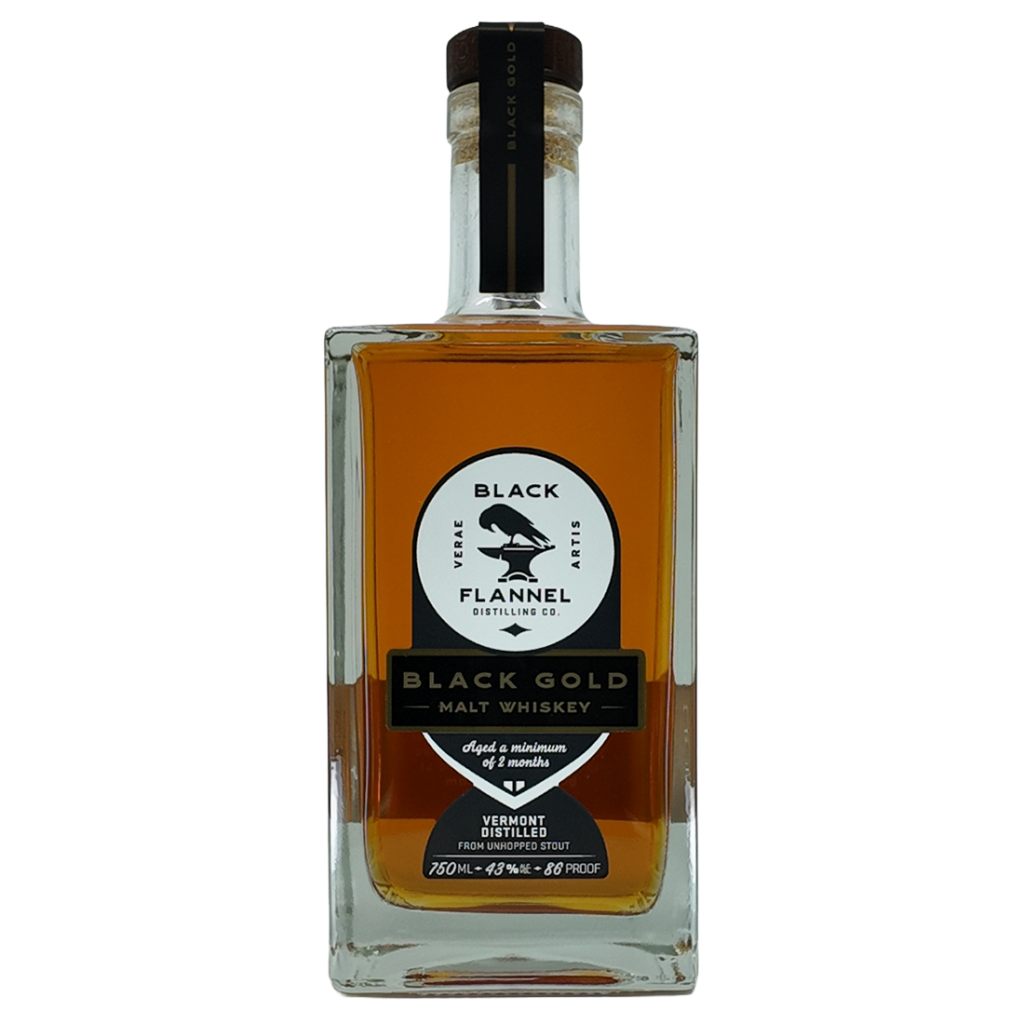
Placeholder image: Black Flannel Agave Dream Blanco. Shown for illustration; it does not depict this spirit style.
Keep exploring
- TTB American single malt rule and transition — evidence reviewed 2026-09-18.