
Absinthe
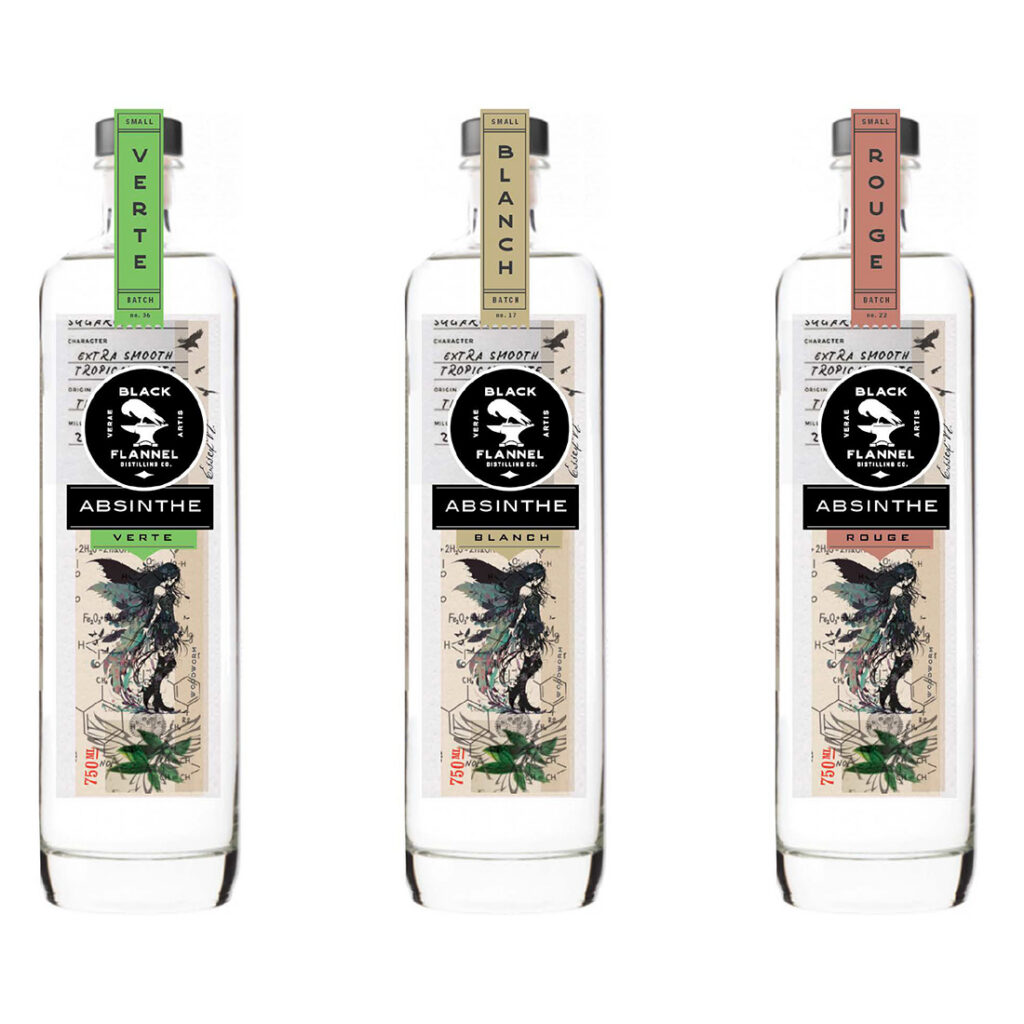
A concentrated botanical spirit in which anise and fennel frame wormwood and supporting herbs. A good example combines aromatic force with definition: liquorice-like sweetness of aroma, fresh or dried herbs, spice and measured bitterness. Dilution can transform its appearance and aromatic expression.
Color
Maturation
Alcohol
Sweetness
Balance
History
Absinthe developed in Switzerland’s Val-de-Travers, with a documented commercial milestone in 1797 when Daniel-Henri Dubied acquired a recipe and established a distilling venture with Henri-Louis Pernod. The drink expanded during the nineteenth century before Swiss prohibition took effect in 1910. Local production continued clandestinely, preserving both techniques and a regional drinking culture. Legalization on March 1, 2005 brought that surviving tradition back into the open; it was a revival of legal production rather than the recreation of a lost drink. Swiss Living Traditions inventory: absinthe culture in Val-de-Travers.
Classic characteristics
Appearance
Clear and colourless, or green through olive and brownish botanical hues; water may produce a milky louche.
Aroma
Pronounced anise, fennel and herbs; mint, citrus, floral or earthy supporting notes are possible.
Flavor
Concentrated anise and botanical flavours; herbal bitterness should be integrated rather than crudely dominant.
Sweetness
ADI prohibits added sugar; anise can create a strong sweet impression without sugar addition.
Mouthfeel
Often oily or coating; substantial alcohol warmth neat, changing markedly with water.
Finish
Medium to long or longer; lingering anise, cooling herbs and a controlled bitter edge.
Flavor Profile Deep Dive
Judge botanical definition and the intended diluted state; louche is a normal response where expected, not spoilage. Assess unpleasant stale botanicals and disjointed bitterness in the prepared sample. Expected louche is not a fault; neither green color nor aroma establishes ingredient purity.
Service notes
Assess the undiluted aroma cautiously, then compare at a documented water dilution. Describe the louche as a physical change in the liquid, not an indicator of unusual effects. Staff should explain anise, herbal complexity and strength directly. Record any sugar added at service separately from the spirit's composition.
Style parameters
| Parameter | Boundary or expectation |
|---|---|
| Base material | Spirit distilled with grand wormwood, fennel and anise under ADI definition |
| Bottled strength | ADI minimum 45% ABV; use the bottle strength when planning a comparative tasting. |
| Color and clarity | Clear and colourless, or green through olive and brownish botanical hues; water may produce a milky louche. |
| Maturation | No common barrel-age requirement; natural botanical colour can evolve during storage. |
| Additions | ADI permits the defining botanical process, not sugar; distinguish colouring infusion from artificial colour. |
Legal limits apply only to the named jurisdiction and identity. ADI entry conditions and typical sensory expectations are separate; a product example is not a universal range.
Cocktail connections
Browse published cocktails. Documented recipes, conditional style choices and development substitutions are labeled separately.
- Chrysanthemum — documented; seasoning.
- Corpse Reviver No. 2 — documented; seasoning.
- De La Louisiane — documented; seasoning.
- Death in the Afternoon — documented; base.
- Monkey Gland — documented; seasoning.
- Remember The Maine — documented; rinse.
- Sazerac — documented; rinse.
- Tuxedo — documented; seasoning.
Style comparison
Absinthe is not simply any green anise liqueur. Its botanical architecture and distillation distinguish the ADI category, while louche alone cannot prove authenticity or quality. A pronounced wormwood contribution need not make the spirit aggressively bitter. Colour evolution in a naturally coloured product requires interpretation against producer information rather than automatic rejection.
Related styles: Herbal / Botanical / Spiced Liqueur (S062) · Aquavit (S074).
Ingredients
Spirit distilled with grand wormwood, fennel and anise under ADI definition
Production notes
ADI specifies distillation with grand wormwood, fennel and anise, no added sugar and at least 45% ABV. These are ADI boundaries, not a universal international absinthe law. Botanical recipes and base spirits vary. Clear blanche and botanically coloured verte expressions are useful teaching branches. U.S. TTB policy requires the finished product to be thujone-free under the applicable FDA standard; its published interpretation is below 10 ppm. Thujone content cannot be established by tasting.
Commercial examples
No newly verified benchmark is designated in this revision. The original example discussion below remains a research lead, with its original qualifications.
Retained example and source context. St. George Absinthe Verte, 60%, illustrates a brandy-based botanical expression; its recipe uses star anise, so check strict ADI ingredient eligibility separately. TTB absinthe policy. ADI scope: S072.
Photo credit
Placeholder image: Black Flannel Agave Dream Blanco. Shown for illustration; it does not depict this spirit style.
Keep exploring
The inline sources above and the supplied ADI definition establish the scope; no universal legal specification is asserted.