
Rye Whiskey
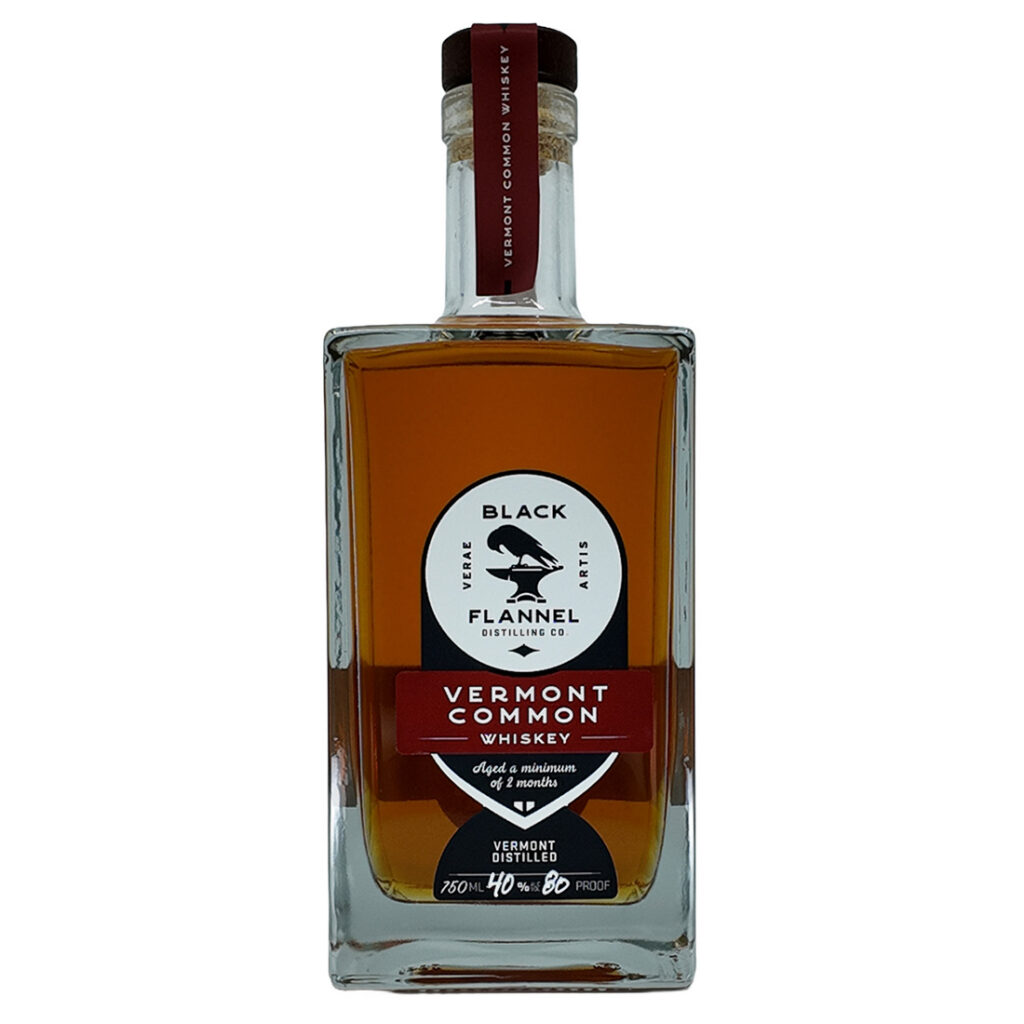
A rye-led American whiskey often showing grain, peppery or baking spice, herbs, fruit and new-oak vanilla. Some examples are lean and assertive; others are rounded and rich. Rye content influences the recipe, but a spicy taste is neither proof of rye percentage nor an obligation to taste aggressively peppery.
Color
Maturation
Alcohol
Sweetness
Balance
History
Rye whiskey has a strong documentary example in George Washington’s late-eighteenth-century Virginia distillery. Mount Vernon’s reconstruction draws on records of a rye-led mash and a substantial commercial operation. Enslaved workers were integral to that production and belong in its history. These records establish an important early American example, not Washington as the inventor of rye whiskey or Virginia as its only historical center. Mount Vernon: reconstructed distillery and archival production records.
Classic characteristics
Appearance
Gold through deep amber or copper; wood and age influence depth of colour.
Aroma
Medium to pronounced cereal, spice, herbs, fruit and vanilla; mint-like or floral notes can occur.
Flavor
Rye grain with variable pepper, baking spice, citrus, orchard fruit and oak; not every example is sharply spicy.
Sweetness
Usually dry with sweet-associated grain and vanilla aromas; apparent dryness can be increased by tannin.
Mouthfeel
Medium to full, supple to firm, with variable oily weight and oak grip.
Finish
Medium to long, often carrying grain, spice and wood; bitterness should remain proportionate.
Flavor Profile Deep Dive
Judge rye expression within the stated jurisdiction and mash; pepper is a useful descriptor, not a mandatory flavor test. Investigate persistent solvent-like pungency, unpleasant stale character or wood astringency that overwhelms the intended expression. A descriptor alone cannot prove a distillation-cut error, additive use or chemical safety.
Service notes
Compare documented lower- and higher-rye recipes at similar strength and wood maturity. Ask tasters to separate cereal, herbal and spice impressions instead of using “spicy” as the entire note. In a Manhattan or Old Fashioned trial, observe whether the whiskey's grain and herbal character remain distinct after sweetening. Staff should explain American versus Canadian usage when the word rye could otherwise imply an incorrect mash bill.
Style parameters
| Parameter | Boundary or expectation |
|---|---|
| Base material | At least 51% rye under cited U.S. identity |
| Bottled strength | U.S. whiskey minimum applies; record actual strength, especially for barrel-proof expressions. |
| United States: bottled ABV | at least 40%; Whiskey identity; protected origin and named types have additional rules. |
| Color and clarity | Gold through deep amber or copper; wood and age influence depth of colour. |
| Maturation | the U.S. whiskey standard applies; straight status adds its minimum age and restrictions. |
| Additions | Straight rye excludes colouring/flavouring; apply the precise rules for other designations. |
Legal limits apply only to the named jurisdiction and identity. ADI entry conditions and typical sensory expectations are separate; a product example is not a universal range.
Cocktail connections
Browse published cocktails. Documented recipes, conditional style choices and development substitutions are labeled separately.
- Algonquin — documented; base.
- Boulevardier — documented; base.
- Brooklyn — documented; base.
- De La Louisiane — documented; base.
- Little Italy — documented; base.
- Manhattan — documented; base.
- Monte Carlo — documented; base.
- New York Sour — documented; base.
- Old Fashioned — documented; base.
- Red Hook — documented; base.
- Remember The Maine — documented; base.
- Sazerac — documented variant; base.
- Trinidad Sour — documented; supporting.
- Vieux Carré — documented; co-base.
- Ward 8 — documented; base.
Style comparison
Rye whiskey differs from bourbon by its qualifying grain recipe, not simply by whether it tastes spicy. Malt whiskey made from rye malt is another specifically named U.S. type; the supplied ADI list does not give it a separate entry. A rye-finished or rye-flavoured product should not be confused with whiskey whose original fermented mash meets the rye identity.
Related styles: Canadian Whisky (S107) · Bourbon (S106).
Ingredients
At least 51% rye under cited U.S. identity
Production notes
the U.S. whiskey standard sets the U.S. named-grain threshold, distillation limit and new-charred-oak requirements. The rest of the mash may contain other grains, producing a broad field from near-minimum rye recipes to predominantly or entirely rye formulations. Fermentation, still operation and maturation also shape flavour. Straight rye adds further requirements. Canadian rye follows its protected Canadian identity and should not automatically be interpreted using the U.S. mash threshold.
Commercial examples
| Expression | Stated ABV | Source/market review | Eligibility note |
|---|---|---|---|
| Rittenhouse Bottled-in-Bond Straight Rye Whisky | 50.0% | U.S. producer portfolio; checked 2026-09-18 | Producer identifies 51% rye mash and at least four years; 100 U.S. proof converted to 50% ABV. U.S. rye reference only. |
Retained example and source context. Heaven Hill's brand specifications identify Rittenhouse Bottled-in-Bond as a 51%-rye, 100-proof reference. ADI scope: S122; the U.S. whiskey standard.
Photo credit
Placeholder image: Black Flannel Agave Dream Blanco. Shown for illustration; it does not depict this spirit style.
Keep exploring
- 27 CFR 5.143 — evidence reviewed 2026-09-18.