
Vodka — Neutral Character
A vodka emphasizing restraint, cleanliness and integrated texture rather than overt raw-material or added flavour. Subtle cereal, mineral-like or lightly sweet impressions may still occur. Neutral character is relative sensory restraint, not proof that every taster will find the product literally without aroma or taste.
Color
Maturation
Alcohol
Sweetness
Balance
History
Neutral-character vodka’s commercial history includes the emphasis on rectification and consistency represented by Lars Olsson Smith’s Swedish vodka in 1879. A century later, Absolut’s U.S. launch in 1979 helped turn that heritage into a major export identity. These are producer-specific milestones in the market for highly rectified vodka; they do not establish Sweden as the sole origin of vodka or imply that all historical vodkas were chemically or sensorially identical. The Absolut Company: vodka and brand history.
Classic characteristics
Appearance
Clear and colourless; no expected oak-derived colour or ingredient suspension in the unflavoured style.
Aroma
Low intensity and clean; restrained cereal or faint sweet impressions may sit beneath alcohol.
Flavor
Subtle flavour, with emphasis on balance and clean progression rather than overt fruit or botanicals.
Sweetness
Usually dry to very slightly sweet in impression; consult documentation for any permitted treatment.
Mouthfeel
Light to rounded, smooth, silky or gently warming; these terms do not quantify alcohol content.
Finish
Often short to medium, clean and lightly warming; length alone is not a quality requirement.
Flavor Profile Deep Dive
Judge subtle aroma and texture carefully; neutral character does not require sensory emptiness or guarantee quality. Investigate persistent unpleasant solvent-like, stale or sulfurous character in context. Do not diagnose a specific production error from one aroma; appropriate fermentation character and proof-related warmth are not automatic faults.
Service notes
Taste at a moderate temperature before comparing chilled service, which can suppress aroma and alter texture. Use identical glasses and similar strengths when assessing subtle differences. Ask staff to describe weight, warmth and finish without inventing elaborate flavours. In cocktails, evaluate how the vodka supports the other ingredients and whether any unintended harshness remains after dilution.
Style parameters
| Parameter | Boundary or expectation |
|---|---|
| Base material | Agricultural neutral spirit; identify source material and any flavoring |
| Bottled strength | U.S. minimum and production thresholds are in the U.S. vodka rule; record actual bottle strength. |
| United States: bottled ABV | at least 40%; see identity requirements. |
| Color and clarity | Clear and colourless; no expected oak-derived colour or ingredient suspension in the unflavoured style. |
| Maturation | No flavour-active wood ageing within U.S. vodka identity; neutral resting is a different process. |
| Additions | Limited U.S. treatments are summarized in the U.S. vodka rule; added flavour changes the applicable classification. |
Legal limits apply only to the named jurisdiction and identity. ADI entry conditions and typical sensory expectations are separate; a product example is not a universal range.
Cocktail connections
Browse published cocktails. Documented recipes, conditional style choices and development substitutions are labeled separately.
- Black Russian — qualified; base.
- Bloody Caesar — qualified; base.
- Bloody Mary — qualified; base.
- Espresso Martini — qualified; base.
- French Martini — qualified; base.
- Harvey Wallbanger — qualified; base.
- Kamikaze — qualified; base.
- Lemon Drop Martini — qualified; base.
- Long Island Iced Tea — qualified; co-base.
- Moscow Mule — qualified; base.
- Mudslide — qualified; co-base.
- Russian Spring Punch — qualified; base.
- Screwdriver — Difford version — qualified; base.
- Sea Breeze — qualified; base.
- Sex On The Beach — qualified; base.
- Vesper — qualified; co-base.
- Vodka Martini — qualified; base.
- White Russian — qualified; base.
- Caipiroska — qualified; base.
- Godmother — qualified; base.
Style comparison
Restraint separates this sensory group from vodka chosen for recognizable base character. Added citrus, pepper or herbs would point toward a flavoured category. Charcoal filtration is not synonymous with vodka itself, and the number of distillations is not a sufficient quality measure. A simple, balanced vodka need not acquire complex descriptors to be a successful example.
Related styles: Vodka — Residual Base Character (S103) · Neutral Brandy (S043).
Ingredients
Agricultural neutral spirit; identify source material and any flavoring
Production notes
ADI links the U.S. vodka identity; the U.S. vodka rule supplies its current requirements. High rectification and optional filtration reduce many source-derived compounds, but raw material, water, bottling strength and treatment still influence the finished expression. This entry is the sensory counterpart to S103, not a separate federal class. The two can overlap at the margins, especially when samples are evaluated at different temperatures or dilution levels.
Commercial examples
No newly verified benchmark is designated in this revision. The original example discussion below remains a research lead, with its original qualifications.
Retained example and source context. Smirnoff No. 21 is a useful restrained-style teaching reference, not an assertion of absolute sensory neutrality. ADI scope: S102; current the U.S. vodka rule.
Photo credit
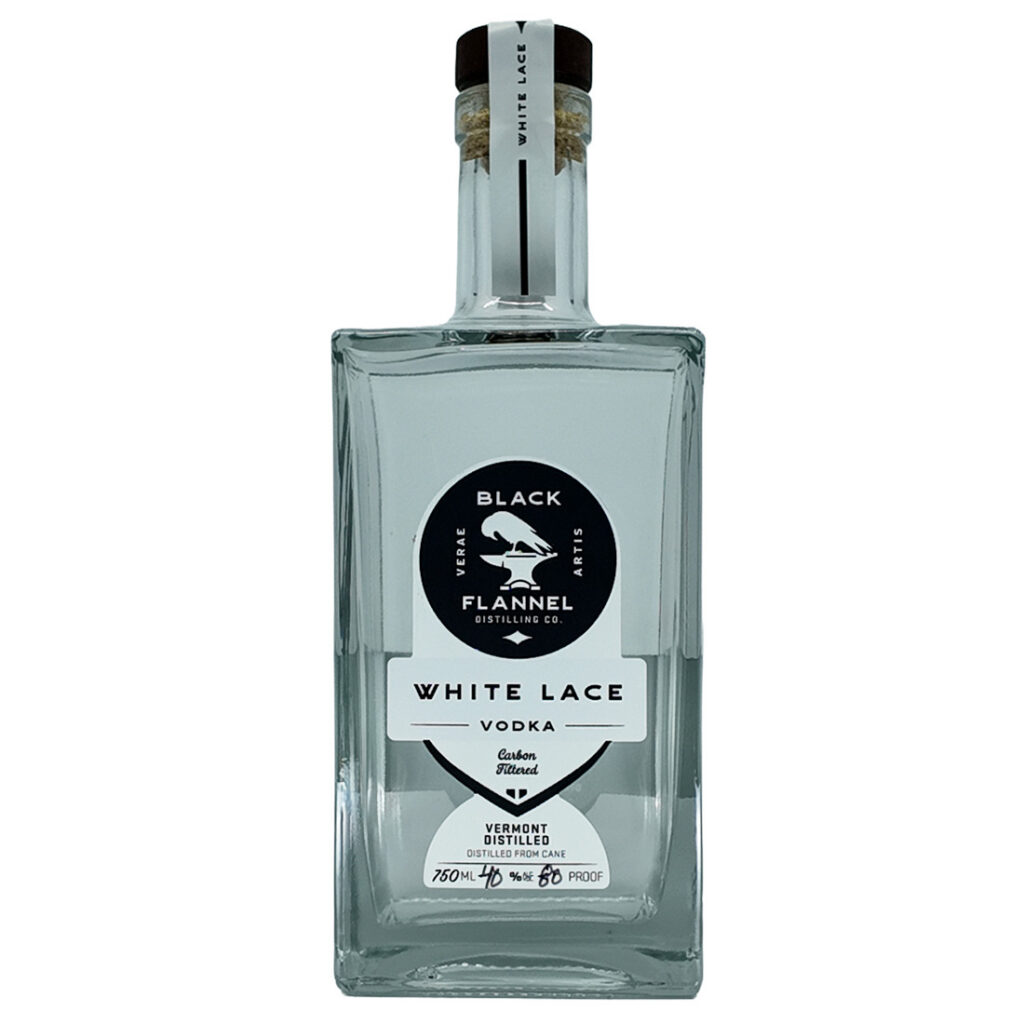
Placeholder image: Black Flannel Agave Dream Blanco. Shown for illustration; it does not depict this spirit style.
Keep exploring
- 27 CFR 5.142 — evidence reviewed 2026-09-17.