
Black Flannel Academy
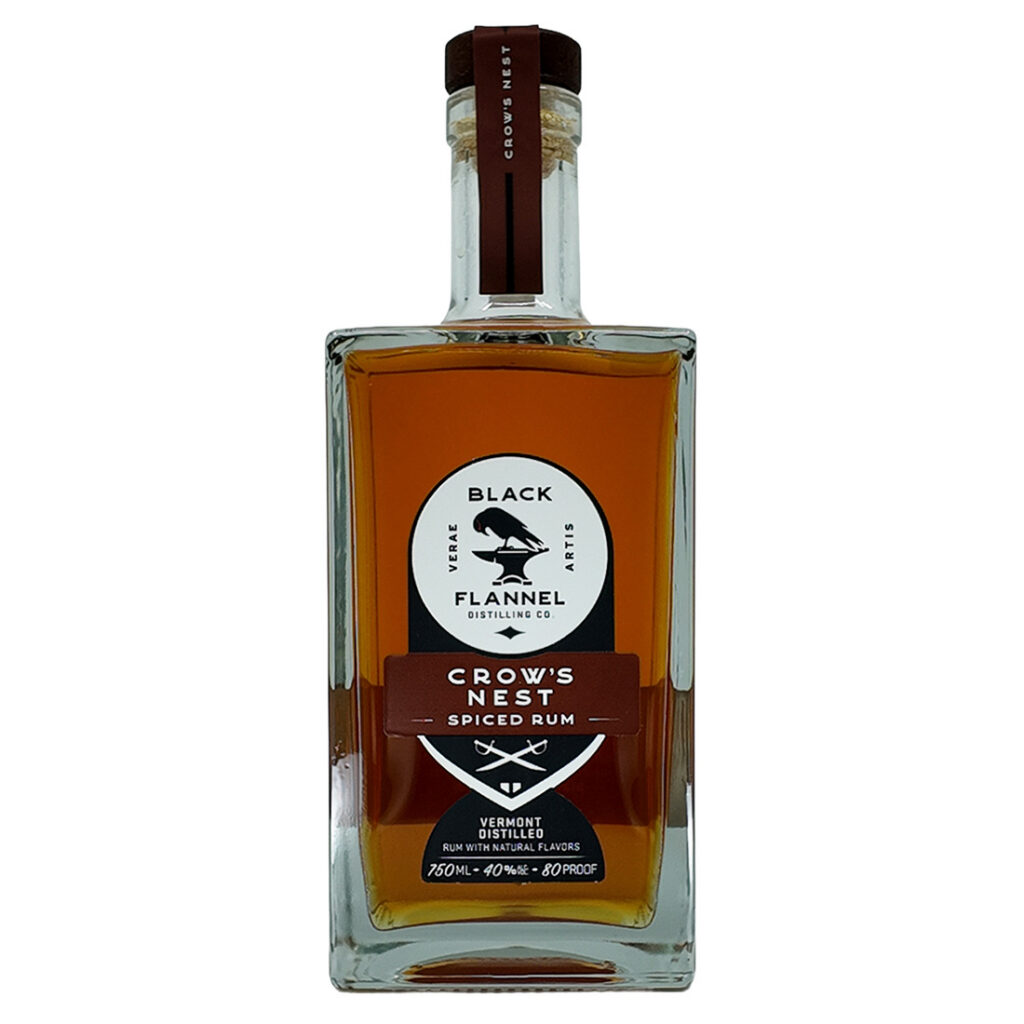
Crows Nest Spiced Rum
Rum · Spice · Varies by product
Rum with a deliberate spice-led flavour profile. Vanilla, cinnamon, clove, nutmeg, ginger or other spices may appear, individually or in combination. Successful examples balance spice intensity, rum character, sweetness and warmth; a very sweet vanilla profile is one branch rather than a universal requirement.
Color
Often gold to dark brown, but colourless examples are possible; colour does not reliably measure age.
Maturation
Base rum may be aged or unaged; no universal ageing period follows from the spiced designation.
Alcohol
ADI minimum 40% ABV; some retail spiced products are weaker and fall outside that boundary.
Sweetness
Dry to sweet; assess actual perception separately from vanilla and baking-spice aromas.
Balance
Spice-led and coherent; pungency, bitterness and sweetness should support rather than obscure the base completely.
History
Spiced Rum combines a broad flavoring practice with later branded products. A dated modern example is Captain Morgan Black Spiced, discussed as an innovation in Diageo’s 2012 results presentation. That record demonstrates continuing commercial development within the category; it is not its origin. Pirate imagery and stories about seventeenth-century captains should not be treated as evidence that a present bottled recipe was created by the person on its label. Diageo: Captain Morgan Black Spiced launch, 2012 results presentation.
Classic characteristics
Appearance
Often gold to dark brown, but colourless examples are possible; colour does not reliably measure age.
Aroma
Medium to pronounced declared spices, with optional vanilla, citrus peel and underlying rum fruit.
Flavor
Spice-led and coherent; pungency, bitterness and sweetness should support rather than obscure the base completely.
Sweetness
Dry to sweet; assess actual perception separately from vanilla and baking-spice aromas.
Mouthfeel
Light to full or coating; strength, sugar and botanical oils influence perceived richness.
Finish
Medium to long; warming spice and rum flavours, with bitterness or sweetness proportionate to the recipe.
Flavor Profile Deep Dive
Verify the ADI strength threshold before entry scoring; assess added spice definition without requiring one vanilla-heavy recipe. Investigate stale ingredients, an unpleasant solvent-like edge, or sweetness/bitterness that overwhelms the declared flavor. Intentional color or sweetening is not itself a defect.
Service notes
Build comparisons around similar strength and sweetness, then examine differences in spice definition. Staff should avoid using “spiced” as shorthand for sweet or low proof. In cocktails, adjust the recipe only after understanding the bottle's own sweetness and dominant spice. A balanced neat sample and a successful mixed drink are related but separate evaluation contexts, so record both when relevant.
Style parameters
| Parameter | Boundary or expectation |
|---|---|
| Base material | Sugarcane juice, syrup, molasses or other cane-derived material; identify product |
| Bottled strength | ADI minimum 40% ABV; some retail spiced products are weaker and fall outside that boundary. |
| United States: bottled ABV | at least 30%; Only products qualifying as flavored spirits under 5.151; not every ADI entrant. |
| Color and clarity | Often gold to dark brown, but colourless examples are possible; colour does not reliably measure age. |
| Maturation | Base rum may be aged or unaged; no universal ageing period follows from the spiced designation. |
| Additions | Added spice flavour is defining; extraction method, sweetening and colour require product-specific information. |
Legal limits apply only to the named jurisdiction and identity. ADI entry conditions and typical sensory expectations are separate; a product example is not a universal range.
Cocktail connections
Browse published cocktails. Documented recipes, conditional style choices and development substitutions are labeled separately.
- Cable Car — documented; base.
Make Cocktails with Crow’s Nest Spiced Rum
Style comparison
Spiced rum is a flavour emphasis within the wider flavoured-rum field. Botanical rum narrows the source and method of flavouring, while rhum arrangé emphasizes maceration. These categories can overlap. A dark bottle with vanilla notes may owe those notes to wood, additions or both; sensory observation alone cannot identify the production route.
Related styles: Botanical Rum (S089) · Flavored Rum (S092).
Ingredients
Sugarcane juice, syrup, molasses or other cane-derived material; identify product
Production notes
ADI allows flavouring through distillation, maceration or other additions and requires at least 40% ABV. That threshold excludes some commercially marketed spiced products from this specific competition entry. Legal labels vary: a spiced product may be flavoured rum or another spirit drink rather than plain rum. The U.S. naturally flavoured-spirit framework is summarized in the U.S. rum rule. Spice character from oak alone does not establish that spices were added.
Commercial examples
No newly verified benchmark is designated in this revision. The original example discussion below remains a research lead, with its original qualifications.
Retained example and source context. Sailor Jerry's producer information identifies the spiced style and a 40% market expression; other markets may differ. ADI scope: S097; the U.S. rum rule.
Photo credit
Placeholder image: Black Flannel Agave Dream Blanco. Shown for illustration; it does not depict this spirit style.
Keep exploring
- 27 CFR 5.151 — evidence reviewed 2026-09-17.