
Bier Schnapps
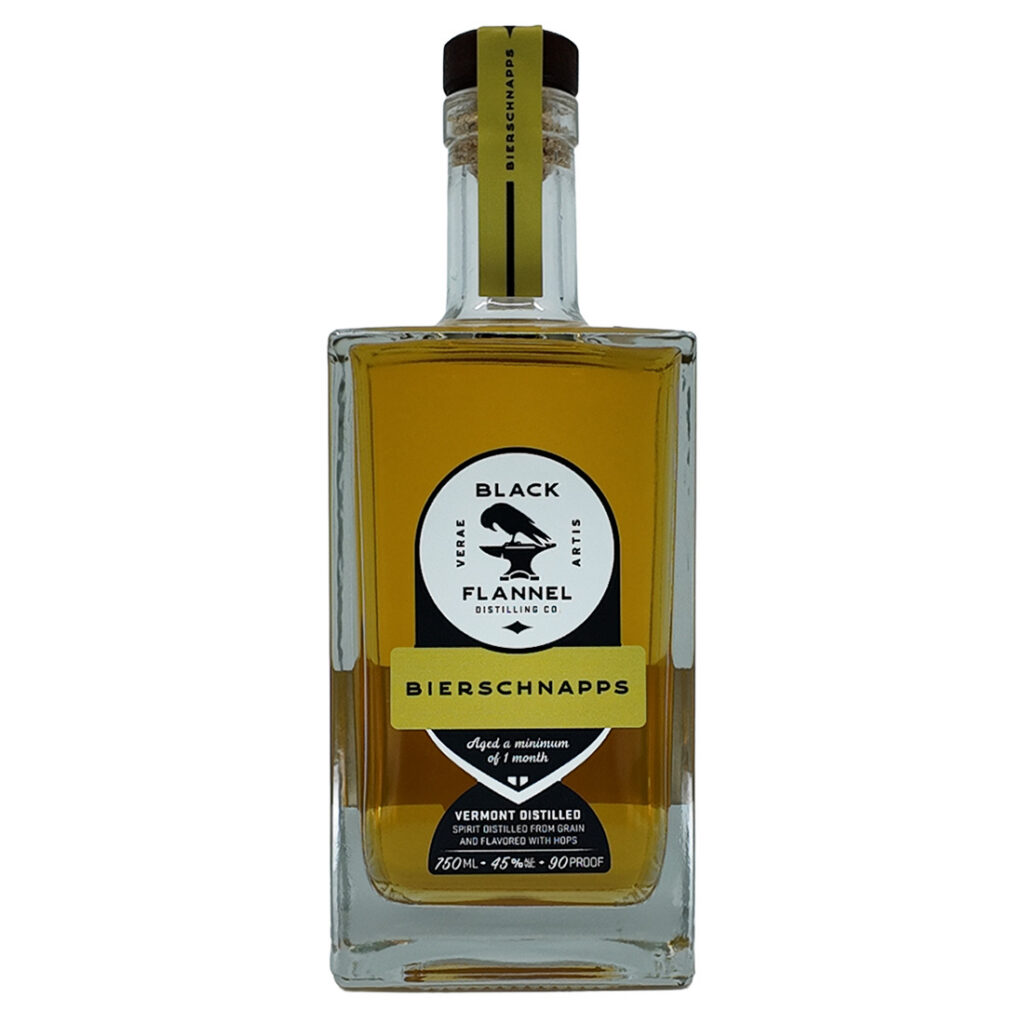
A beer-derived distillate that can combine cereal, bread, fruit and hop-associated herbal or citrus notes. Distillation changes the balance dramatically: the result should be evaluated as a spirit with beer origins, not expected to reproduce the original beer's bitterness, foam or body.
Color
Maturation
Alcohol
Sweetness
Balance
History
Bier Schnapps belongs to the practice of making a spirit from finished beer, but this broad heading does not identify one historical inventor. A firm documentary milestone is the recognition of beer spirit in the European Union’s 2008 spirits framework. That codification demonstrates an established product identity by the early twenty-first century. It is a legal-history marker, not evidence that brewers first distilled beer in 2008. European Union: Regulation 110/2008, consolidated text.
Classic characteristics
Appearance
Clear and colourless when unaged; straw to amber where wood contributes colour.
Aroma
Light to pronounced cereal, bread, fruit, flowers or herbal hops; recipe and distillation strongly affect intensity.
Flavor
Grain and fermentation character with possible citrus, spice or hop-like aromatics; wood may add vanilla.
Sweetness
Commonly dry in unsweetened examples; malt aroma is not evidence of residual beer sugar.
Mouthfeel
Light to rounded; alcohol warmth and distillate oils replace the original beer's carbonation and extract.
Finish
Short to long; grain, fruit, herbal notes or oak should remain coherent and clean.
Flavor Profile Deep Dive
Judge beer-derived and any hop-associated character against the actual source beer; hops need not dominate every distillate. Investigate persistent unpleasant solvent-like, stale or sulfurous character in context. Do not diagnose a specific production error from one aroma; appropriate fermentation character and proof-related warmth are not automatic faults.
Service notes
When available, compare a small aroma sample of the source beer with its distillate to teach transformation rather than simple concentration. Record which descriptors persist and which disappear. Use separate references for wood-aged and unaged versions. For guests, “distilled from finished beer” conveys more than calling the product a stronger beer or a sweet schnapps.
Style parameters
| Parameter | Boundary or expectation |
|---|---|
| Base material | Finished beer made with malted barley and hops |
| Bottled strength | ADI supplies no numerical bottling limit for this entry; report the actual product strength. |
| Color and clarity | Clear and colourless when unaged; straw to amber where wood contributes colour. |
| Maturation | Neutral resting or wood ageing may be used; neither a universal age nor barrel type is specified. |
| Additions | Establish from the product; added flavours or sweetening can change legal identity and competition placement. |
Legal limits apply only to the named jurisdiction and identity. ADI entry conditions and typical sensory expectations are separate; a product example is not a universal range.
Cocktail connections
Browse published cocktails. Documented recipes, conditional style choices and development substitutions are labeled separately.
No established classic or recognized modern cocktail match was found for this specific style in the sources reviewed. This records a research gap, not proof that no cocktail exists. No neighboring style has been substituted to fill the space.
Style comparison
Finished hopped beer is the defining input. A malt whiskey is not automatically bier schnapps, and a spirit with a beer-cask finish is not necessarily distilled from beer. Likewise, the original beer's colour does not predict the colour of the fresh distillate. The category's breadth warrants declaring the beer style and any maturation before judging typicity.
Related styles: White Whiskey (S132) · US Malt Whiskey (S129).
Ingredients
Finished beer made with malted barley and hops
Production notes
ADI specifies distillation of beer made with malted barley and hops. This separates bier schnapps from distillates made from an unhopped whiskey wash. The particular beer, fermentation and distillation choices influence which aromas survive. Resting in neutral vessels or wood produces different expressions. “Schnapps” here does not imply a sweet, flavoured liqueur; the production statement is more informative than that broad commercial word.
Commercial examples
No newly verified benchmark is designated in this revision. The original example discussion below remains a research lead, with its original qualifications.
Retained example and source context. Rhine Hall Bierschnaps documents finished-beer distillation and differing resting treatments. ADI scope: S075. No universal country-of-origin standard is asserted for this broad entry.
Photo credit
Placeholder image: Black Flannel Agave Dream Blanco. Shown for illustration; it does not depict this spirit style.
Keep exploring
The inline sources above and the supplied ADI definition establish the scope; no universal legal specification is asserted.