
Classic Gin
A clearly juniper-led gin supported by citrus, spice, roots and other botanicals. Piney or resinous juniper should remain readily recognizable while the supporting ingredients provide shape and detail. The style can be delicate or forceful without losing that central identity.
Color
Maturation
Alcohol
Sweetness
Balance
History
Classic gin’s British history includes both the eighteenth-century gin craze and the later development of established distilling houses. London Museum documents the social conditions and legislation associated with the craze, including the 1751 Gin Act. Hayman’s traces its family business to James Burrough’s nineteenth-century work. These are distinct phases: the modern dry, juniper-led ideal should not simply be equated with every drink sold as gin in eighteenth-century London. London Museum: the eighteenth-century gin craze; Hayman’s: family and distillery history.
Classic characteristics
Appearance
Usually clear and colourless in the conventional unaged presentation.
Aroma
Medium to pronounced; juniper/pine with citrus peel, coriander-like spice and root notes.
Flavor
Juniper remains central; citrus, spice and earthy botanicals provide support.
Sweetness
Typically dry, though sweet aromatic botanicals may create a rounded impression.
Mouthfeel
Light through oily, with warming alcohol and a firm botanical structure.
Finish
Medium or longer in expressive examples, often returning to juniper, citrus or dry spice.
Flavor Profile Deep Dive
Assess clear juniper leadership with supporting botanicals; classic sensory balance and London production rules are separate conclusions. Investigate persistent unpleasant solvent-like, stale or sulfurous character in context. Do not diagnose a specific production error from one aroma; appropriate fermentation character and proof-related warmth are not automatic faults.
Service notes
Use a juniper-led benchmark to establish the aroma of the central botanical, then identify two supporting families rather than guessing every ingredient. In a Martini or Gin and Tonic comparison, hold the recipe and garnish constant initially. This shows whether the gin's structure survives dilution. For guests, “juniper-led, with citrus and dry spice” is often more useful than reciting an unverified botanical list.
Style parameters
| Parameter | Boundary or expectation |
|---|---|
| Base material | Agricultural spirit with juniper and other botanicals |
| Bottled strength | U.S. ordinary gin at least 40% ABV; EU gin at least 37.5%; market-specific bottling strengths vary. |
| United States: bottled ABV | at least 40%; see identity requirements. |
| European Union: bottled ABV | at least 37.5%; see identity requirements. |
| Color and clarity | Usually clear and colourless in the conventional unaged presentation. |
| Maturation | Usually unaged for this reference profile; overlapping aged versions require identification. |
| Additions | Follow actual legal subtype; classic flavour alone does not establish London-gin compliance. |
Legal limits apply only to the named jurisdiction and identity. ADI entry conditions and typical sensory expectations are separate; a product example is not a universal range.
Cocktail connections
Browse published cocktails. Documented recipes, conditional style choices and development substitutions are labeled separately.
- Alaska — qualified; base.
- Angel Face — qualified; co-base.
- Aviation — qualified; base.
- Bee’s Knees — documented; base.
- Bijou — qualified; base.
- Bramble — qualified; base.
- Bronx — qualified; base.
- Cardinale — qualified; base.
- Clover Club — qualified; base.
- Corpse Reviver No. 2 — qualified; base.
- Dirty Martini — documented; base.
- Dry Martini — qualified; base.
- Fog Cutter — qualified; co-base.
- Ford — qualified; base.
- French 75 — qualified; base.
- French Pearl — documented; base.
- Gibson — qualified; base.
- Gimlet — qualified; base.
- Gin and Tonic — documented; base.
- Gin Basil Smash — qualified; base.
- Gin Fizz — qualified; base.
- Gin-Gin Mule — documented; base.
- Hanky Panky — documented; base.
- Jasmine — qualified; base.
- John Collins — qualified; base.
- Last Word — qualified; base.
- Long Island Iced Tea — qualified; co-base.
- Martinez — documented; base.
- Monkey Gland — documented; base.
- Negroni — qualified; base.
- Paradise — qualified; base.
- Pegu Club — documented; base.
- Pink Gin — qualified; base.
- Pink Lady — qualified; base.
- Ramos Fizz — qualified; base.
- Red Snapper — qualified; base.
- Singapore Sling — qualified; base.
- South Side — documented; base.
- Suffering Bastard — qualified; co-base.
- Tom Collins — qualified; base.
- Twentieth Century — qualified; base.
- Vesper — qualified; base.
- White Lady — qualified; base.
- White Negroni — documented; base.
Style comparison
Compared with contemporary gin, the botanical arrangement places juniper more clearly at the centre. This is an emphasis distinction rather than a requirement for one fixed recipe. Compared with genever, classic gin generally lacks the intentional malt-spirit foundation central to many genever expressions. A citrus accent does not automatically make a gin contemporary or flavored.
Related styles: Contemporary Gin (S052) · Compound Gin (S051).
Ingredients
Agricultural spirit with juniper and other botanicals
Production notes
ADI describes this as the familiar juniper-primary style often associated with London Dry. Classic is a sensory grouping; London gin is a more specific regulated production category in relevant markets. A gin can fit the classic flavour profile without qualifying for every London-gin production claim. Record the actual designation and process separately.
Commercial examples
No newly verified benchmark is designated in this revision. The original example discussion below remains a research lead, with its original qualifications.
Retained example and source context. Beefeater London Dry documents juniper and citrus emphasis. ADI supplies the sensory category; shared gin rules explain the distinction from a legal London-gin claim.
Photo credit
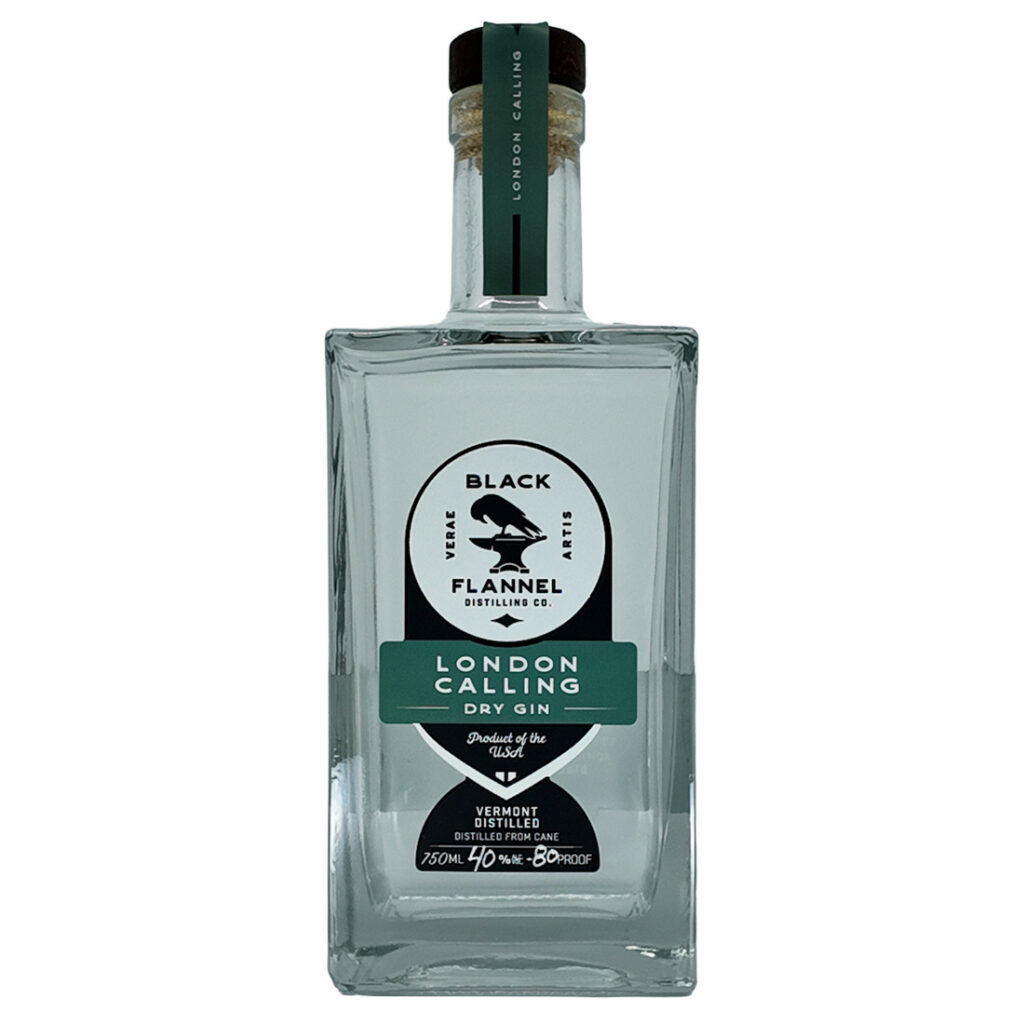
Placeholder image: Black Flannel Agave Dream Blanco. Shown for illustration; it does not depict this spirit style.
Keep exploring
- EU Regulation 2019/787 — evidence reviewed 2026-09-17.
- 27 CFR 5.144 — evidence reviewed 2026-09-17.