
100% Agave Blanco Tequila
Cooked agave, citrus and a peppery finish make blanco tequila an expressive place to begin exploring agave spirits. Without extended oak maturation, the plant and the producer’s choices take center stage. Some examples feel bright and lean; others are rounded, earthy or gently oily. A good blanco gives you plenty to pay attention to, whether you sip it slowly or build a cocktail around it.
Color
Maturation
Alcohol
Sweetness
Balance
History
Blanco’s story brings together tequila’s unaged expression and the formal distinction between fermentation sources. Amendments to Mexico’s standard in 1976 established two categories: “100% agave” and “tequila,” the latter permitting some fermentable sugars from other sources. That milestone helps explain the words on today’s bottles; it should not be mistaken for the invention of unaged tequila. Academia Patrón’s standardization timeline.
Premium brands later helped make 100% agave tequila a more visible international category. Patrón dates its beginnings to 1989, providing one example of that modern commercial story. Blanco also stands on its own as a finished style: aging it creates a different expression, rather than completing an unfinished spirit. Patrón’s company history.
Classic characteristics
Appearance
Usually clear and colorless. Clarity can tell you about presentation, but it cannot establish the contents’ age, origin or quality. Slow-moving legs on a glass are not a quality score.
Aroma
Look for cooked agave alongside citrus, fresh fruit, herbs or vegetal impressions. The intensity and emphasis vary by bottle. Start with what you actually smell before reaching for a producer’s tasting notes.
Flavor
Agave often provides the central character, with citrus and pepper-like accents around it. A sweet-seeming first impression can come from aroma as well as taste; it does not, by itself, prove added sugar.
Mouthfeel
The range runs from light and brisk to rounded or oily. Alcohol warmth depends partly on strength. A higher-proof tequila need not feel identical to a 40% bottling to be well made.
Finish
Agave, citrus, herbs or pepper may linger. Length is worth noticing, but so is the quality of what remains: a clean, expressive finish matters more than persistence alone.
These are tasting guideposts, not a checklist every blanco must satisfy.
Flavor Profile Deep Dive
Try separating three impressions: the smell of citrus peel, a sweet-seeming agave aroma and the physical warmth of alcohol. They can arrive together, but they are different parts of the experience. Pepper-like aroma also need not mean the same sensation as biting a chile.
Take one small sample and write down two aromas in ordinary language. Then revisit it with a few drops of water in a separate portion. Notice which impressions become clearer and whether the texture changes. You are building a vocabulary for the glass in front of you, not trying to guess a predetermined answer.
Service notes
For learning, start with a modest neat pour in a small tulip-shaped glass. Approach the aroma gently, without vigorous swirling, and take time between samples. Compare the neat and diluted portions before adding citrus, salt or a mixer.
For casual service, ice or a simple highball offers another way to explore the same spirit. Chilling and dilution change the balance. Choose the presentation for the experience you want rather than treating one serving method as the only legitimate option.
Style parameters
| Parameter | What to expect |
|---|---|
| Base | All fermentable sugars from blue Weber agave |
| Origin | Mexico’s protected tequila production territory |
| Appearance | Usually colorless and transparent |
| Alcohol | Mexico: 35–55% ABV; ordinary tequila sold in the U.S.: at least 40% ABV |
| Maturation | No required oak aging; any oak maturation is less than two months |
| Sweetness | Generally dry, with aromas that can suggest sweetness |
| Balance | Agave character, citrus and herbal accents, with warmth that varies by strength |
The alcohol figures are identity boundaries, not a claim about the most common bottle strength. The raw-material and maturation distinctions come from Mexico’s tequila standard; the U.S. minimum is specified in 27 CFR § 5.148.
Cocktail connections
Blanco can bring a clear agave identity to citrus-based drinks. Two useful starting points are:
- Margarita: tequila, orange liqueur and lime create a conversation between spirit character, sweetness and acidity. The IBA reference specifies 100% agave tequila without mandating blanco; choosing blanco is the bottle decision for this exploration.
- Paloma: grapefruit soda, lime and salt add carbonation, citrus character and a bitter edge. The IBA reference also specifies 100% agave tequila without requiring this maturation class.
Taste the base first, then the finished cocktail. Can you still recognize its agave and herbal notes? If a mixer overwhelms them, record the proportions and change one ingredient at a time. A useful house recipe should make its intended balance repeatable.
Style comparison
Blanco and reposado: tasting the same producer’s expressions side by side can help reveal the influence of wood, while remembering that maturation may not be the only difference between the bottles.
100% agave blanco and other blanco tequila: the distinction concerns fermentation sugars. It does not guarantee that one particular bottle will be more aromatic or better balanced than another.
Blanco and cristalino: both may appear clear, but a cristalino can have a maturation history. Read the product information rather than assigning age from color.
Ingredients
“100% agave” identifies the fermentation sugars; “blanco” identifies the class. Blue Weber agave supplies the raw material, which is processed to release fermentable sugars, fermented with yeast and distilled. Those label terms do not specify one universal extraction method, still or production sequence. Mexican tequila standard.
Production notes
For a concrete producer example, Patrón describes brick-oven cooking, extraction using a tahona and roller mill, fermentation and distillation. That is its documented approach, not a requirement for every blanco. Equipment choices offer useful context, but the resulting spirit still needs to be assessed in the glass. Patrón’s production account.
Commercial examples
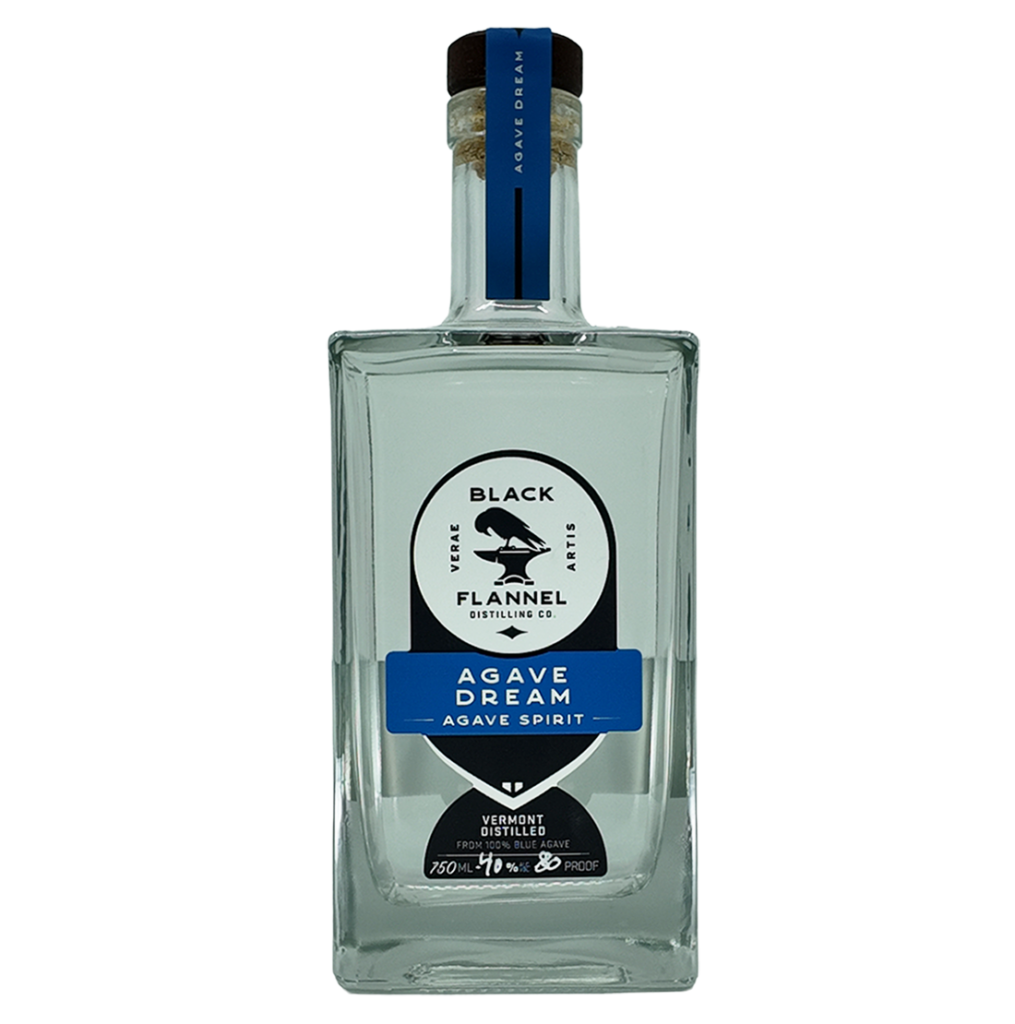
Patrón Silver and Fortaleza Blanco are producer-documented examples bottled at 40% ABV. They offer useful reference points for exploring how two blancos can express the same broad style differently. These examples are not a ranking or a statement about what Black Flannel currently stocks.
Photo credit
Illustrative tequila service with salt and lime; the photograph does not establish agave percentage or maturation class. “Tequila shots” by Prayitno / Thank you for (8 millions +) views, CC BY 2.0, via Wikimedia Commons. Original unaltered; resized for display.

Keep exploring
Compare blanco with reposado, then return to the blanco in a Margarita or Paloma. The useful question is simple: which qualities belong to the tequila, and which arrive through wood, mixers or serving choices?
Continue with What Makes Our Spirits Different? or browse Spirits Education.