
Commercial Examples
Broughton Greenmantle Ale, Caledonia Smooth, McEwan's 70, Orkney Raven Ale, Tennent's Special Ale

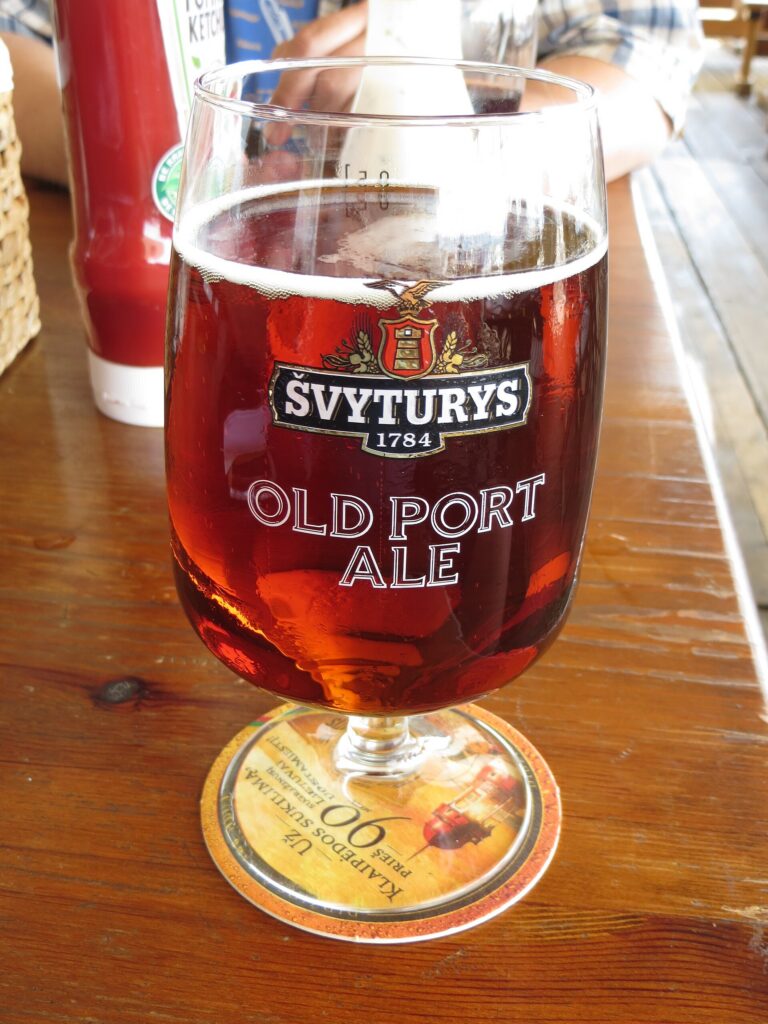
A malt-focused, generally caramelly beer with perhaps a few esters and occasionally a butterscotch aftertaste. Hops only to balance and support the malt. The malt character can range from dry and grainy to rich, toasty, and caramelly, but is never roasty and especially never has a peat smoke character.
For most American drinkers, the thought of calling a beer between 3.2-3.9% ABV a "heavy" is a little odd. I remember when I first heard the term and confused it with a Wee Heavy, which actually is a big beer. All of these are clearly relative terms, but what's more than that, there were periods when this would have been a bigger, more decadent option than was usually available. As we've mentioned regarding a lot of the English and Scottish beer styles, the beginning of the twentieth century wasn't kind to beer in northern Europe. The wars and temperance wreaked havoc on food and grain supplies, leaving the people in Scotland and England with weaker beer that they kept around after the war. Of course this wasn't the only historical trend that led to the popularity of comparatively small beer in the British Isles. Country brewing tradition that favored "table" or "small" beer played a huge role in shaping these styles, as did the takeover of lager during the nineteenth century.
One of the peculiarities of Scottish beer that has stuck to it is an antiquated naming system. Though it's fallen from common use, it does still get tossed around every once in a while, so it's important for anyone interested enough in beer to make it this far into a blog post on Scottish Heavy to know about it. During the nineteenth century, brewers would label their beer based on the cost that would be charged for a barrel of it. The Shilling, whose indicator in writing was "/-" was the most common currency charged at this point (though Guineas were previously used for larger beers), so the names of the beers produced would follow their respective ABV. A 60/- ale ("sixty shilling ale") would have been what we now refer to as Scottish Light, while a 70/- ale would now be called a Scottish Heavy, and an 80/- ale would now be called a Scottish Export.
Even the BJCP, the most commonly cited style guideline, still made reference to Scottish beer by this measure until their 2015 Style Guidelines were published. One of the neat things about Scottish and English brewing practice is the use of the Parti-gyle system, which isn't often used outside the British Isles (we do a fair amount of it here at Black Flannel). Brewers will rinse the grain after mashing it for a bigger beer to make smaller beers, sometimes more than once. This means that the beers brewed from second and third runnings carry much of the same malt character as the higher ABV brews, but with lower finished alcohol. What that amounts to for us is a designator just like any other. Most of these beers have nearly the same profile among the light, heavy, and export versions, but the smaller the shilling number, the lower the ABV.
Copper to brown
Biscuity, caramelly, and with hints of butterscotch
Usually malty-sweet, but some versions have a dry graininess Always malty in the balance
Medium-light body, low to medium-low carbonation Creamy
Overall Impression: A malt-focused, generally caramelly beer with perhaps a few esters and occasionally a butterscotch aftertaste. Hops only to balance and support the malt. The malt character can range from dry and grainy to rich, toasty, and caramelly, but is never roasty and especially never has a peat smoke character.
Aroma: Low to medium maltiness, often with flavors of toasted breadcrumbs, lady fingers, and English biscuits. Low to medium caramel and low butterscotch is allowable. Light pome fruitiness in best examples. May have low traditional English hop aroma (earthy, floral, orange-citrus, spicy, etc.). Peat smoke is inappropriate.
Appearance: Pale copper to very dark brown. Clear. Low to moderate, creamy off-white.
Flavor: Entirely malt-focused, with flavors ranging from pale, bready malt with caramel overtones to rich-toasty malt with roasted accents (but never roasty) or a combination thereof. Fruity esters are not required but add depth yet are never high. Hop bitterness to balance the malt. No to low hop flavor is also allowed and should be of traditional English character (earthy, floral, orange-citrus, spicy, etc.). Finish ranges from rich and malty to dry and grainy. A subtle butterscotch character is acceptable; however, burnt sugars are not. The malt-hop balance tilts toward malt. Peat smoke is inappropriate.
Mouthfeel: Medium-low to medium body. Low to moderate carbonation. Can be relatively rich and creamy to dry and grainy.
Comments: Malt-focused ales that gain the vast majority of their character from specialty malts, never the process. Burning malt or wort sugars via 'kettle caramelization' is not traditional nor is any blatantly 'butterscotch' character. Most frequently a draught product. Smoke character is inappropriate as any found traditionally would have come from the peat in the source water. Scottish ales with smoke character should be entered as a Classic Style Smoked Beer.
Characteristic Ingredients: Originally used Scottish pale malt, grits or flaked maize, and brewers caramel for color. Later adapted to use additional ingredients, such as amber and brown malts, crystal and wheat malts, and roasted grains or dark sugars for color but not for the 'roasty' flavor. Sugar adjuncts are traditional. Clean or slightly fruity yeast. Peatsmoked malt is inauthentic and inappropriate.
Style Comparison: Similar character to a Wee Heavy, but much smaller.
Vital Statistics: OG: 1.035 – 1.040 IBUs: 10 – 20 FG: 1.010 – 1.015 SRM: 13 – 22 ABV: 3.2 – 3.9%
Commercial Examples: Broughton Greenmantle Ale, Caledonia Smooth, McEwan's 70, Orkney Raven Ale, Tennent's Special Ale
Similar character to a Wee Heavy, but much smaller.
Two-row brewers malt Caramel malts Very light use of roasted barley English hops Neutral scottish ale yeast
A single infusion mash is traditional, and hopping is traditionally only one addition for bitterness early in the boil. Use caramel malts at up to 20% of the grain bill, but make most of them lighter caramel malts…120L can take this beer over quickly at to high a percentage. Keep the roasted barley to 2% or less…this is really just giving you color and a touch of dryness. Plan to mash in the middle to upper range for lower fermentable extract but not too light of a body (153-154). Fermented in the low to mid 60s with Scottish yeast for a clean neutral character.
At the Pub: Grilled Endive Salad Takeout: Sandwiches Barbecue night: Beer Can Chicken
Black Flannel Vermont Common
New: Rising Appalachia Old: Felix Mendelssohn Songs without Words
Broughton Greenmantle Ale, Caledonia Smooth, McEwan's 70, Orkney Raven Ale, Tennent's Special Ale